


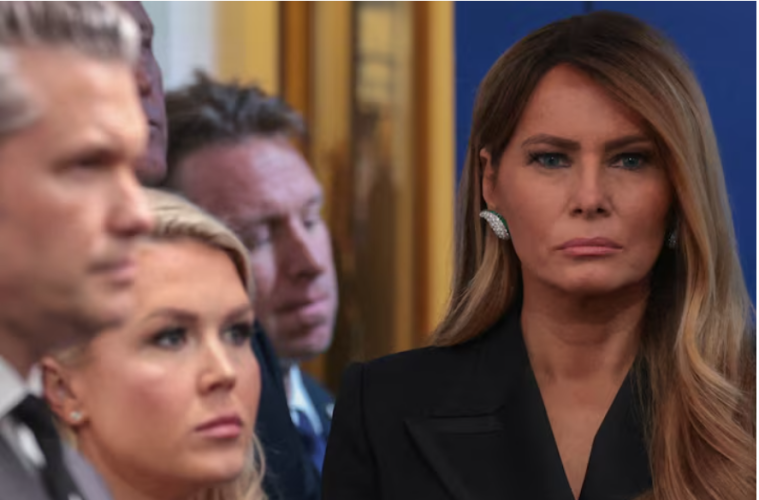
The former First Lady criticizes late-night remarks amid backlash
Melania Trump Calls Out Jimmy Kimmel
April 27, 2026 – Melania Trump has publicly called on ABC to take action against late-night host Jimmy Kimmel following a controversial monologue that has sparked widespread debate.
In a strongly worded statement, Melania criticized what she described as inappropriate and harmful commentary, arguing that such remarks should not be normalized on mainstream television. Her comments quickly gained traction across media platforms, drawing attention to the ongoing tension between political figures and late-night entertainment.

Image Credit: Getty Images
The Monologue That Sparked Controversy
The backlash stems from a recent segment on Jimmy Kimmel Live!, where Jimmy Kimmel made remarks about Melania Trump that some viewers found offensive and poorly timed. The segment, intended as satire, quickly became a flashpoint, with critics arguing that it crossed the line from humor into insensitivity.
The timing of the joke added to the controversy, as it coincided with heightened political tensions and recent security concerns surrounding high-profile public events. This context amplified the reaction, leading to broader discussions about tone, responsibility, and the limits of comedic expression.
Melania Trump’s Strong Response
Melania Trump responded by condemning the remarks, describing them as harmful and inappropriate for a national audience. She emphasized that public figures, including entertainers, should be mindful of the impact their words can have, particularly in a climate where public discourse is already highly polarized.
Her statement included a direct call for accountability, urging ABC to take a clear stance on the issue. By placing responsibility on the network, she shifted the conversation from an individual comment to a broader question of editorial oversight.
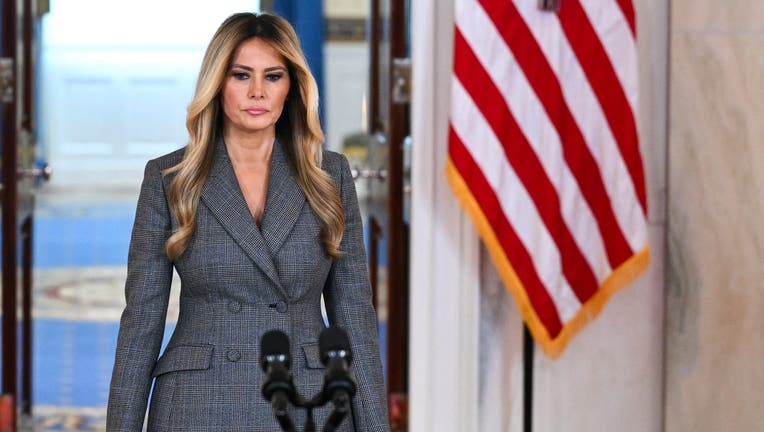
Image Credit: Getty Images
ABC’s Role and Network Responsibility
As the broadcaster of Jimmy Kimmel Live!, ABC now finds itself at the center of the controversy. The network must navigate the balance between supporting creative expression and addressing concerns about content that some viewers perceive as inappropriate.
Late-night shows have historically been spaces for satire and political commentary, often pushing boundaries to engage audiences. However, moments like this highlight the challenges networks face in maintaining that balance while also considering public reaction and reputational impact.
Jimmy Kimmel’s Style of Comedy
Jimmy Kimmel is known for his sharp, often politically charged humor. His monologues frequently address current events and public figures, blending satire with commentary. This approach has earned him both praise and criticism, depending on the subject matter and audience perspective.
Over the years, Kimmel has built a reputation for tackling controversial topics, which can lead to moments that resonate strongly with some viewers while alienating others. The latest incident reflects this dynamic, where comedic intent and audience interpretation diverge significantly.
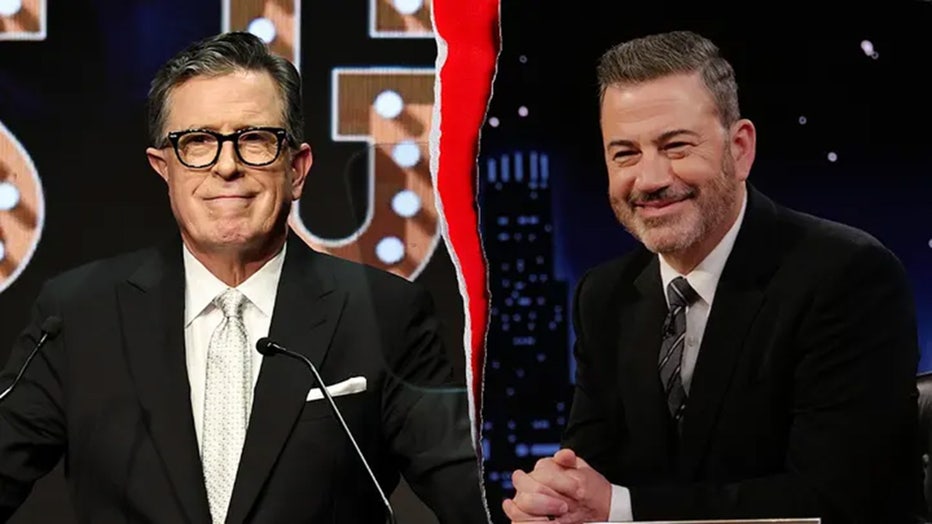
Image Credit: Getty Images
Public Reaction and Divided Opinions
The response to the controversy has been sharply divided. Supporters of Melania Trump argue that the remarks were inappropriate and warranted a response, particularly given the broader context in which they were made.
On the other hand, defenders of Jimmy Kimmel emphasize the importance of satire as a form of free expression. They argue that late-night television has long served as a platform for commentary and critique, and that restricting such content could limit creative freedom.
This divide reflects larger cultural conversations about the role of media, the boundaries of humor, and the expectations placed on public figures.
The Broader Debate on Comedy and Accountability
The incident underscores an ongoing debate about where to draw the line between humor and responsibility. In an era where content spreads rapidly across platforms, even a single joke can have far-reaching implications.
For networks like ABC, the challenge lies in navigating these complexities while maintaining both creative integrity and audience trust. Decisions about how to respond to controversies can set precedents for future situations, influencing how similar issues are handled.

Image Credit: Getty Images
Political Figures and Media Scrutiny
Interactions between political figures and media personalities are often highly charged, reflecting broader tensions within society. Melania Trump’s statement adds to a pattern of public figures directly addressing media content they find objectionable.
This dynamic highlights the evolving relationship between politics and entertainment, where lines between the two are increasingly blurred. As a result, moments like this can quickly escalate into larger debates about influence, responsibility, and public discourse.
Final Thoughts
Melania Trump’s call for ABC to take action against Jimmy Kimmel has reignited conversations about the boundaries of comedy and the responsibilities of media platforms. The controversy illustrates how a single moment can spark widespread debate, reflecting deeper divisions in how audiences interpret humor and accountability.
As the situation continues to unfold, the response from ABC and the broader media landscape will be closely watched. The outcome may influence how networks approach similar controversies in the future, shaping the balance between creative expression and public responsibility.
FAQs
Q1: Why did Melania Trump criticize Jimmy Kimmel?
She objected to remarks made during his late-night show, which she described as inappropriate.
Q2: What did she say about ABC?
She urged the network to take a stand and address the situation.
Q3: What sparked the controversy?
A monologue on Jimmy Kimmel Live! that included comments about Melania Trump.
Q4: How have people reacted?
Reactions are divided, with some supporting Melania’s stance and others defending comedic freedom.
Q5: What broader issue does this raise?
It highlights ongoing debates about media responsibility, satire, and the limits of humor.
Published by HOLR Magazine