


HOLR HIGHLIGHTS
The key details readers need to know.
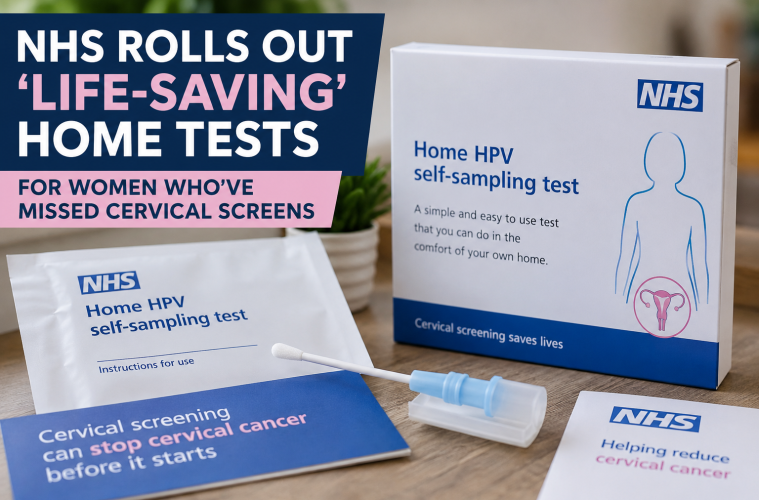
- The NHS in England has started rolling out free HPV self-testing kits for people who have missed previous cervical screening invitations.
- Nearly 4 million women are expected to be offered the home-testing option as the program rolls out.
- The test involves using a simple vaginal swab at home, which is then returned to the NHS for testing for high-risk HPV.
- If high-risk HPV is detected, the person will be invited for follow-up cervical screening with a healthcare professional.
- The home test is an additional option for under-screened people, not a replacement for routine clinician-led cervical screening.
August 26, 2026
The new NHS initiative aims to make cervical screening easier and more accessible for people who have not attended previous appointments.
Millions of women and people with a cervix in England who have missed cervical screening appointments are being offered a new option: an HPV self-testing kit that can be completed at home.
The NHS began rolling out the new home-testing program on August 25, with nearly 4 million people expected to be offered kits if they have not attended cervical screening after receiving previous invitations. The initiative is designed to remove some of the barriers that can prevent people from attending screening, including embarrassment, concerns about discomfort, and difficulty finding time for an appointment.
Rather than attending an appointment for the initial HPV sample, eligible people will be able to collect their own sample using a swab at home and return it to the NHS for testing.
HOLR breaks down what the new NHS home cervical screening test means, who will be offered one and what happens if HPV is detected.
What Is the New NHS Home Cervical Screening Test?
The new programme allows eligible people who have not kept up with cervical screening to collect their own sample at home.
The kit contains a swab similar to a long cotton bud. The person uses it to collect a sample from the vagina and then sends the sample back to the NHS using the provided return process. The laboratory checks the sample for high-risk types of human papillomavirus, commonly known as HPV.
HPV is extremely common and is usually cleared naturally by the immune system. However, certain high-risk types can cause changes to cells in the cervix that may eventually develop into cervical cancer if they persist and are not treated.
The purpose of cervical screening is therefore not simply to look for cancer. It aims to identify high-risk HPV and, when necessary, detect cell changes early enough for them to be managed before cancer develops.
Why Is the NHS Introducing Home Testing?
Cervical screening can prevent cervical cancer, but a significant proportion of eligible people do not attend when invited.
NHS England says that only around 68.8% of eligible women are currently up to date with cervical screening, below the program’s 80% target. That leaves around 4 million women in England who are not up to date.
There are many reasons someone may not attend.
Some people may feel embarrassed about the examination. Others may be worried about discomfort, struggle to find an appointment that fits around work or family responsibilities, or simply keep postponing the screening.
For some people, previous experiences with medical examinations may also make cervical screening particularly difficult.
The home test is intended to remove some of those barriers by allowing eligible people to collect the initial sample privately at home.
Dr Sue Mann, National Clinical Director for Women’s Health at NHS England, described the move as a major development because it offers a more discreet and convenient way for people to complete HPV testing.
Who Will Be Offered the Home HPV Test?
The new home-testing option is not currently being offered automatically to everyone eligible for cervical screening.
The national rollout is initially focused on people who are under-screened, including those who have not attended screening after previous invitations.
NHS England says the phased rollout is starting with people aged 30 to 65 who have not attended cervical screening following previous invitations.
The NHS identifies eligible individuals through its screening invitation system.
Invitations can arrive through the NHS App, text message, email or letter. Once invited, eligible people can order the free kit through the NHS App or their NHS online account.
The programme is being introduced in phases, so not everyone who has missed screening will necessarily receive a home test at the same time.
How Does the Home HPV Test Work?
The process is designed to be relatively simple.
After receiving an invitation, an eligible person can order the kit through the NHS.
The kit contains a swab that is used to collect a sample from the vagina.
Once the sample has been collected, it is returned to the NHS for laboratory testing.
The laboratory checks whether high-risk HPV is present.
If high-risk HPV is not detected, there may be no need for further testing at that point, depending on the person’s screening history and NHS guidance.
If high-risk HPV is detected, the person will be invited to have a follow-up cervical screening appointment with a nurse or doctor. During that appointment, a healthcare professional can take a sample directly from the cervix to check for cell changes.
What Happens If HPV Is Found?
A positive HPV result does not mean someone has cervical cancer.
This is an important distinction.
High-risk HPV is a risk factor for cervical cancer, but having HPV does not mean that cancer is present or that someone will necessarily develop cancer.
If HPV is detected through the home test, the next step is follow-up screening with a healthcare professional.
The NHS can then assess the cervix and determine whether there are any cell changes that require monitoring or treatment.
People who receive a positive result should therefore follow the NHS advice about their next appointment rather than assuming the result means they have cancer.
Is the Home Test Replacing a Cervical Screening Appointment?
No.
The NHS is introducing HPV self-testing as an additional option for people who have not attended routine screening, rather than replacing clinician-led cervical screening for everyone.
NHS England says that cervical screening appointments with a healthcare professional remain the best way to help prevent cervical cancer.
If someone normally attends their cervical screening appointments, they should continue doing so as advised.
The home test is specifically intended to make screening more accessible to people who have previously struggled to attend.
Can You Request a Home Test If You Have Not Been Invited?
The NHS home-testing programme is currently an invitation-only offer.
If you believe you are overdue for cervical screening but have not received an invitation, the NHS advises contacting your GP surgery or local sexual health clinic to find out whether you need to book an appointment.
It is also possible to book a cervical screening appointment even if the invitation was sent weeks or months earlier.
The introduction of home testing does not mean people should simply wait for a kit if they already know they are overdue.
What If You Have Symptoms?
This is one of the most important points to understand about cervical screening.
Cervical screening is designed for people without symptoms.
If you have unusual symptoms or changes that concern you, you should speak to a healthcare professional rather than waiting for a screening invitation or relying on a screening test.
The UK government’s guidance specifically stresses that people with unusual changes should speak to their doctor rather than waiting for screening.
Symptoms can have many different causes, and having one does not automatically mean cervical cancer. But unusual symptoms should be assessed appropriately.
Why Is Cervical Screening Important Even After HPV Vaccination?
The HPV vaccine has significantly changed cervical cancer prevention, but vaccination does not protect against every type of HPV that can cause cervical cancer.
For that reason, the NHS says people should still attend cervical screening when invited, even if they have received the HPV vaccine.
Vaccination and screening work together as different parts of cervical cancer prevention.
What Could This Mean for Cervical Cancer Prevention?
The NHS hopes that making testing more convenient will encourage more people to participate in screening.
Evidence from the earlier YouScreen trial in North London helped support the move toward wider self-sampling. NHS England says the trial found that offering self-testing to under-screened women could increase the number of people screened in England by around 400,000 each year.
The UK National Screening Committee subsequently recommended adding an HPV self-sampling option for people who delay screening by more than six months or who have never attended.
The broader programme is part of the NHS’s ambition to help eliminate cervical cancer as a public health problem by 2040.
Why Home Testing Could Make a Difference
For some people, the biggest challenge has never been understanding that screening is important.
It has been actually getting to the appointment.
A person may have a busy work schedule, childcare responsibilities, anxiety about medical examinations or concerns about discomfort. Someone else may simply keep postponing the appointment until months have passed.
A home HPV test changes that first step.
Instead of arranging an appointment and attending a clinic for the initial sample, eligible people can collect their own sample privately at home.
That does not eliminate the need for follow-up if HPV is detected, but it could make it easier for more people to take the first step.
The Bottom Line
The NHS has started rolling out home HPV self-testing kits in England for people who have missed cervical screening invitations, with nearly 4 million women expected to be offered the option as the programme expands.
HOLR breaks down the story here: the new home test is designed to make cervical screening more convenient, particularly for people who have previously found it difficult to attend appointments.
The test involves collecting a vaginal sample with a swab at home and returning it to the NHS for testing for high-risk HPV. If HPV is detected, the person will be invited for follow-up screening with a healthcare professional.
The new option is not a replacement for routine cervical screening, and people who already attend their appointments should continue to do so.
Most importantly, anyone experiencing unusual symptoms should speak to a healthcare professional rather than waiting for a screening test.
As the rollout continues, the NHS hopes that bringing screening closer to people’s everyday lives will help more people take part—and ultimately prevent more cases of cervical cancer.
FAQs
Who can get the NHS home HPV test?
The initial rollout is aimed at eligible people who are under-screened, including those who have not attended cervical screening after previous invitations. NHS England says the rollout is initially focusing on people aged 30 to 65.
What does the NHS home cervical screening test check for?
The self-test checks a vaginal sample for high-risk types of HPV, which can cause changes in cervical cells and increase the risk of cervical cancer.
Does a positive HPV home test mean I have cancer?
No. Detecting high-risk HPV does not mean that someone has cervical cancer. A positive result means further screening may be needed to check for changes in cervical cells.
Can I still have a normal cervical screening appointment?
Yes. Clinician-led cervical screening remains part of the NHS programme and is still recommended for people who normally attend screening. The home test is an additional option aimed at people who are under-screened.
What should I do if I have unusual symptoms?
Do not wait for a cervical screening invitation or home test. Contact your GP or another appropriate healthcare professional for advice. Cervical screening is intended for people without symptoms.
Published by HOLR Magazine