


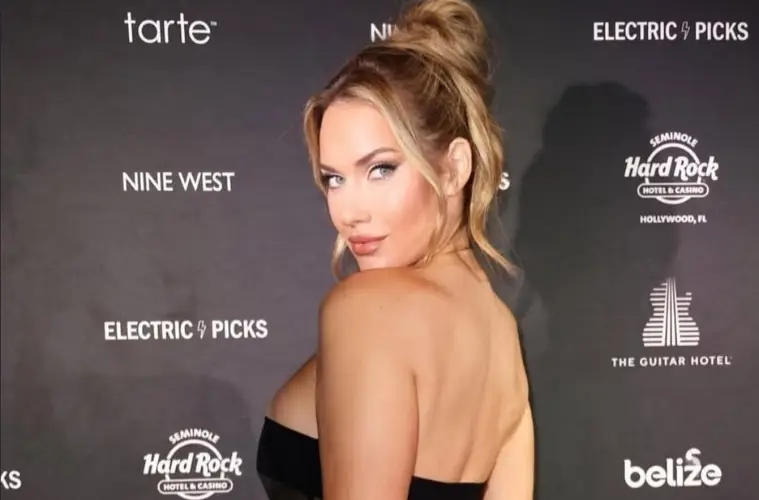
The golf star addressed speculation surrounding her Independence Day post, explaining the difference between studio photography, graphic design, and AI-generated images.
Introduction
Date: July 6, 2026
Paige Spiranac found herself at the center of another viral social media discussion after sharing a festive Fourth of July photo with her followers. While many fans praised the patriotic image, others questioned whether artificial intelligence had been used to create or enhance it.
Rather than allowing the rumors to spread, Spiranac responded directly to the comments. She explained that the photograph was real and came from her 2026 calendar photoshoot. According to her statement, the patriotic background was added by a graphic designer, but the image of her was not created by AI.
Her response has started a broader conversation about the growing challenge of telling the difference between traditional photo editing, graphic design, and AI-generated content.
Why the Photo Went Viral
Paige Spiranac has one of the largest social media followings among golf personalities, so her posts often receive millions of views.
Her Independence Day photo quickly attracted attention because of its polished appearance, patriotic theme, and professional styling. While many followers complimented the image, others questioned whether modern AI tools had been used to create it.
As AI-generated visuals become more realistic, similar questions have become increasingly common across social media platforms.
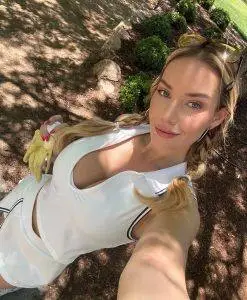
Image credit : Instagram @_paige.renee
Paige Spiranac Responds to Online Speculation
Instead of ignoring the comments, Spiranac chose to clarify the situation publicly.
She explained that the photograph itself was taken during her official 2026 calendar shoot inside a professional studio. She also noted that a graphic designer created the festive patriotic background to match the holiday theme.
According to Spiranac, artificial intelligence was not used to generate her image, and she wanted to clear up the misunderstanding before false information spread further.
Her direct response was praised by many followers who appreciated the clarification.
AI vs. Traditional Photo Editing
One reason the discussion gained attention is that many people confuse AI-generated images with traditional digital editing.
Professional photographers have used editing software for decades to adjust lighting, colors, backgrounds, and other visual elements.
Graphic designers also frequently create digital backgrounds for marketing campaigns and promotional images.
Artificial intelligence, however, can generate entirely new images or significantly alter photographs using machine-learning technology.
Understanding this distinction is becoming increasingly important as AI tools become more advanced.
Growing Concerns About AI Images
The conversation surrounding Spiranac’s photo reflects a much larger issue affecting celebrities, influencers, and photographers.
As AI image generators improve, internet users have become more skeptical about what they see online.
Even professionally photographed images may now face questions about authenticity simply because they appear highly polished.
Many creators have begun explaining their editing processes to help audiences understand how their content is produced.
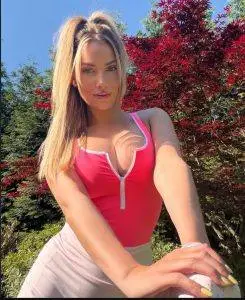
Image credit : Instagram @_paige.renee
Social Media Reacts
Following Spiranac’s explanation, reactions remained mixed.
Many fans accepted her clarification and praised her for responding directly instead of allowing rumors to continue.
Others used the discussion to highlight how difficult it has become to identify AI-generated images.
The debate extended beyond one social media post and evolved into a broader conversation about trust, transparency, and digital content in today’s online world.
Why Transparency Matters
As artificial intelligence continues to reshape photography and digital media, creators are facing increasing pressure to explain how their images are produced.
Being transparent about traditional editing, graphic design, and AI-generated content helps audiences make informed judgments about what they are viewing.
Spiranac’s response demonstrates how quickly misunderstandings can spread—and how direct communication can help address them before misinformation gains momentum.
Why AI Debates Are Becoming More Common
Artificial intelligence has transformed the way images are created and edited. Powerful AI tools can now produce highly realistic photos, making it more difficult for viewers to distinguish between genuine photography and computer-generated content.
As a result, public figures, brands, and content creators increasingly face questions about the authenticity of their images. Even professionally photographed pictures may be mistaken for AI-generated artwork because of advanced editing techniques, high-quality lighting, or creative digital backgrounds.
This growing uncertainty has made transparency more important than ever.
The Challenge for Influencers and Content Creators
For influencers like Paige Spiranac, maintaining trust with followers is essential.
Many creators use professional photographers, lighting equipment, makeup artists, and graphic designers to produce visually appealing content. These traditional production methods are common across the fashion, sports, and entertainment industries.
However, as AI technology becomes more sophisticated, creators may feel the need to explain how their content is produced. Clear communication can help prevent misunderstandings while strengthening credibility with audiences.
Spiranac’s decision to respond directly reflects this changing digital landscape.
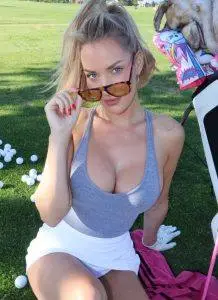
Image credit : Instagram @_paige.renee
Digital Editing vs. Artificial Intelligence
Although the terms are often used interchangeably online, digital editing and artificial intelligence are not the same.
Traditional editing typically involves adjusting an existing photograph by improving brightness, color, contrast, or adding graphic elements created by designers.
AI-generated images, on the other hand, may be created entirely by artificial intelligence or significantly altered using machine-learning tools.
Understanding this distinction allows viewers to better evaluate the content they encounter on social media.
What This Means for Social Media
The discussion surrounding Paige Spiranac’s Fourth of July post highlights a broader shift in how audiences consume digital content.
People are becoming more cautious about believing everything they see online. At the same time, creators are finding new ways to communicate openly about the creative process behind their images.
As AI continues to evolve, conversations about authenticity, transparency, and responsible editing are likely to become even more common.
The incident serves as a reminder that asking questions is reasonable—but verified information should always take priority over assumptions.
Conclusion
Paige Spiranac’s response to the AI speculation surrounding her Fourth of July post highlights an issue that many creators now face in the age of artificial intelligence.
As digital tools become more advanced, audiences are naturally asking more questions about the authenticity of online images. By explaining that her photo was taken during a professional calendar shoot and paired with a designer-created background, Spiranac offered valuable transparency and helped correct misconceptions.
The incident also illustrates a broader challenge for the digital world: distinguishing between traditional photo editing, graphic design, and AI-generated content. As technology continues to evolve, clear communication and verified information will remain essential for building trust between creators and their audiences.
FAQs
Why did Paige Spiranac respond to AI claims?
She responded after some social media users questioned whether her Fourth of July photo had been generated using artificial intelligence.
Was Paige Spiranac’s photo created with AI?
According to Paige Spiranac, no. She said the image was photographed during her 2026 calendar shoot, while the patriotic background was added by a graphic designer.
Why did people think the image was AI-generated?
Its polished appearance and digitally designed background led some viewers to speculate that AI had been used.
What is the difference between AI-generated images and digital editing?
Digital editing enhances an existing photograph, while AI can create or substantially generate images using machine-learning technology.
Why is this discussion important?
As AI-generated visuals become more realistic, understanding the difference between traditional editing and AI helps viewers evaluate online content more accurately.
Published by HOLR Magazine