


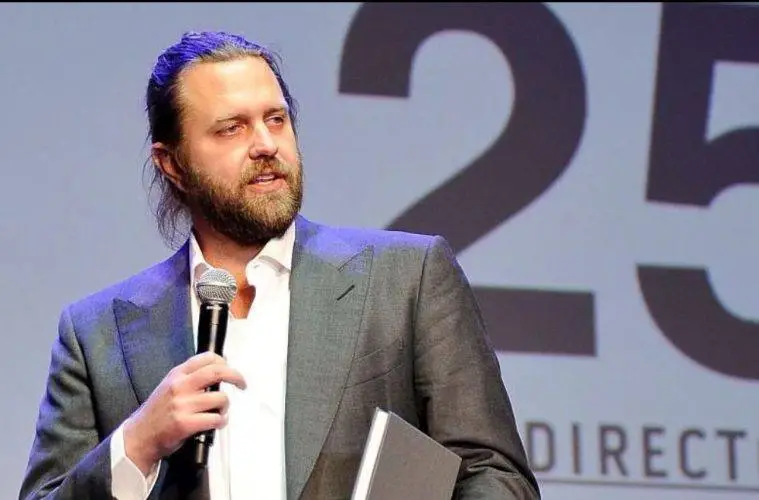
Hollywood’s biggest streaming fraud case highlights the importance of financial accountability in film production.
Introduction
Date: June 30, 2026
Director Carl Rinsch has been sentenced to 30 months in federal prison after admitting that he defrauded Netflix of $11 million meant to finance the science-fiction series White Horse. Instead of using the money to complete the production, prosecutors said Rinsch diverted much of it to risky cryptocurrency trades and luxury purchases.
The case has attracted worldwide attention because it involves one of the largest streaming platforms and millions of dollars intended for original content. It also serves as a reminder that financial transparency is just as important as creative talent in the entertainment industry.
Who Is Carl Rinsch?
Carl Rinsch is a filmmaker best known for directing the 2013 fantasy action film 47 Ronin. Over the years, he worked on commercials and film projects while building a reputation for ambitious visual storytelling.
Netflix later partnered with Rinsch to develop White Horse, a science-fiction television series. The company invested heavily in the project, hoping it would become another original production for its growing streaming library.
However, the series was never completed.
Image credit : Instagram @philstarlife
How Did the Netflix Fraud Happen?
According to prosecutors, Netflix initially provided funding for the production of White Horse. As work continued, Rinsch requested additional money, explaining that the project required a larger budget.
Netflix approved an additional payment of approximately $11 million to help complete the series.
Instead of spending the money on filming, production, and post-production work, prosecutors said Rinsch transferred large amounts into personal brokerage and cryptocurrency accounts.
Court records showed that much of the money was lost through risky investments.
The remaining funds were allegedly spent on luxury purchases that had nothing to do with the television series.
How Investigators Uncovered the Scheme
Authorities began examining financial records after concerns were raised about unusual spending.
Investigators followed bank transfers, investment accounts, and business records linked to the production.
They found that millions of dollars had moved away from approved production expenses.
Financial documents also showed purchases that prosecutors argued clearly benefited Rinsch personally rather than supporting the television series.
As evidence continued to grow, federal prosecutors charged the director with fraud-related offenses.
Eventually, Rinsch admitted his role in the scheme.
The Court’s Decision
A federal judge sentenced Carl Rinsch to 30 months in prison.
The court also ordered him to forfeit millions of dollars and pay restitution.
During the sentencing hearing, prosecutors argued that Rinsch had abused the trust placed in him by Netflix.
The judge agreed that the misuse of production funds was serious because it involved money intended to employ hundreds of people working on the project.
The sentence reflected both the financial losses and the broader impact on the entertainment industry.
Why This Case Matters
This case is about more than one unfinished television series.
Streaming companies now invest billions of dollars every year in original movies and television shows.
Large productions often involve hundreds of employees, contractors, actors, and visual effects teams.
When production money is misused, many people can be affected.
Projects may be delayed, cancelled, or never completed.
That is why studios place so much importance on financial accountability.
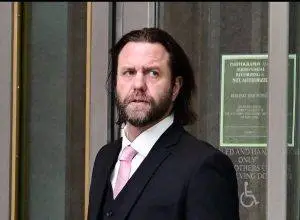
Image credit : Instagram @gadigital25
What Does This Mean for Netflix?
The fraud case is not expected to slow Netflix’s investment in original programming.
The company continues to produce films and television series across many countries. However, the case may encourage Netflix and other streaming platforms to strengthen their financial controls.
Entertainment companies already monitor production budgets closely. After this case, they may introduce even stricter reporting systems, more frequent audits, and additional reviews before approving large payments.
These measures could help prevent similar incidents in the future while protecting investors and production teams.
Lessons for Filmmakers
The case offers important lessons for everyone working in the film industry.
Creative talent is only one part of making a successful production. Directors and producers must also manage budgets responsibly.
Clear financial records, honest communication, and proper planning are essential for every project. Misusing production funds can damage careers, delay projects, and reduce trust between filmmakers and studios.
For independent filmmakers, transparency is especially important because investors want confidence that their money is being used as promised.
Could This Change the Entertainment Industry?
Many experts believe this case will influence how future productions are managed.
Streaming services continue to invest billions of dollars in original content every year. As budgets grow, companies are expected to rely more on digital accounting tools, independent audits, and real-time expense tracking.
Technology may also play a bigger role in financial oversight. Automated reporting systems can quickly identify unusual spending and help companies respond before problems become larger.
Although these changes may increase administrative work, they could make the industry more transparent and secure.
Public Reaction to the Case
The sentencing has generated strong reactions across Hollywood and social media.
Many people expressed disappointment that money intended for a creative project was allegedly used for personal expenses. Others viewed the sentence as a reminder that financial misconduct can have serious legal consequences, regardless of a person’s position in the entertainment industry.
Industry professionals have also discussed the need for stronger accountability when handling large production budgets.
While opinions differ on the sentence, most observers agree that trust is essential in film and television production.
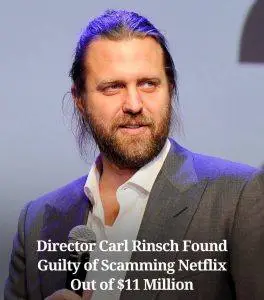
Image credit : Instagram @thewrap
Conclusion
The sentencing of Carl Rinsch marks the conclusion of one of Hollywood’s most high-profile fraud cases involving a major streaming platform. According to prosecutors and court findings, millions of dollars intended for a Netflix production were diverted away from filmmaking, leaving the project unfinished and leading to criminal charges.
Beyond the legal outcome, the case highlights the importance of financial responsibility in the entertainment industry. Modern productions involve large investments and the work of hundreds of people, making transparency and accountability essential.
For Netflix, the case serves as a reminder that strong financial oversight is just as important as creative ambition. For filmmakers, it reinforces that trust, ethical leadership, and responsible budget management are critical to building long-term careers.
As streaming services continue expanding their original programming, the lessons from this case are likely to shape discussions about production financing and accountability for years to come.
FAQs
Who is the director sentenced for defrauding Netflix?
The director is Carl Rinsch, who admitted to defrauding Netflix during the production of the science-fiction series White Horse.
Why was Carl Rinsch sentenced to prison?
He was sentenced after admitting that he misused approximately $11 million in production funding provided by Netflix.
How long is the prison sentence?
The federal court sentenced Carl Rinsch to 30 months in prison.
What was the Netflix project involved?
The funding was intended for the science-fiction television series White Horse, which was never completed.
Will this affect Netflix’s future productions?
Netflix has not announced any changes to its production plans. However, industry experts believe streaming companies may strengthen financial oversight for future projects.
Published by HOLR Magazine