


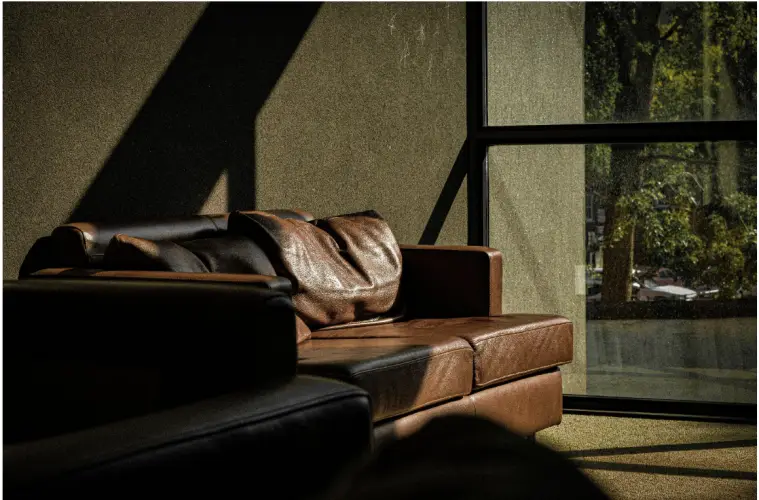
If you have been paying attention to what is happening in interior design right now, you have probably noticed that leather is back. Not in the way your parents had it — the stiff, overly formal chesterfield that nobody was allowed to sit on — but in a way that feels genuinely current, tactile, and considered. The chocolate browns, deep cognacs, warm cinnamons, and caramel tones showing up in living rooms right now are the same earthy palette that has been dominating fashion runways and editorial shoots, which makes sense. The two have always been closer than people admit.
The shift is part of something bigger happening in how people are choosing to invest in their homes. After years of fast furniture, greige everything, and the kind of minimalism that felt more like aesthetic anxiety than genuine restraint, the pendulum has swung.
Interior design experts identify “quiet luxury” as one of the most influential home trends of 2026, moving away from fast design and toward pieces with material depth, enduring construction, and a presence that actually earns its place in the room. And a survey by the Affluent Consumer Research Company found that 70% of high-net-worth consumers now prioritize material quality, with 61% valuing durability and craftsmanship over brand visibility. The mood has changed. People want things that look better in five years than they did on delivery day.
The leather sofa, chosen well, does exactly that.
Why Leather Is Landing Right Now
The cultural timing makes complete sense. The same generation that drove the quiet luxury fashion moment, the Loro Piana over the logo, the perfectly cut cashmere over the streetwear drop, is now turning that same sensibility toward their living spaces. Designers are welcoming leather sofas in rich tones of chocolate, cinnamon, and cognac back into the fold, with global design authority Martin Waller noting that “a brown leather sofa is evocative, tactile, and has a rich patina that only improves with age”.
It also helps that chocolate brown is having a serious moment in interior color. Chocolate brown interiors are up 120% year-on-year in search data, with earthy tones registering 18,000 searches a month and growing at 22% annually. The people searching for this are the same people who know the difference between a trend and a direction. Brown leather is not a trend.
What makes the current leather moment feel different from previous cycles is the craftsmanship emphasis. Rising material costs and backlash against fast furniture are driving a consumer shift toward pieces with traceable origins, construction quality you can feel, and the kind of longevity that makes repairs worth doing decades later. The leather sofa fits this perfectly because quality leather is one of the few upholstery materials that visibly rewards ownership over time.
What Full-Grain Leather Actually Means
There is a grade hierarchy in leather that matters a lot when you are spending real money on a piece that is supposed to last. Full-grain leather sits at the top. It uses the outermost layer of the hide with the natural grain left intact, which makes it the most durable grade and the one that develops patina rather than simply wearing out.
A leather sofa in full-grain material looks better at year seven than it did at delivery, which is the opposite of almost everything else in the upholstered furniture category.
Top-grain leather has been lightly sanded for a more uniform surface and slightly better stain resistance, making it the most practical choice for households that live hard on their furniture, pets, kids, and frequent guests. It loses a little of the character-building quality of full-grain over time but still far outperforms fabric in terms of longevity.
Bonded leather, often how budget pieces describe themselves, is leather scraps and synthetic material pressed together. It looks fine for a year or two and then peels. If you see that term, treat it as a pass.
The color decision matters as much as the grade. Cognac and tan age with visible warmth, the patina deepens into something richer and more personal over years of use. Chocolate and espresso tones are having the biggest design moment right now and work particularly well against the warm neutrals, raw woods, and layered textiles that define the current interior direction. Black reads more urban and graphic, best suited to spaces with harder contrasts and more architectural edge.
How to Style It Without It Looking Like 1995
The reason leather sofas fell out of favor for a while was less about the material and more about the context. Paired with dark wood everything, heavy drapes, and wall-to-wall beige carpet, it looked like a hotel lobby from another era. The key to making leather feel current in 2026 is contrast and texture layering.
To make a brown leather sofa feel contemporary, pair it with harder elements — sleek metallics, rustic stone surfaces, and grainy woods — as the contrast makes even well-worn leather appear more current and striking. Think a cognac sofa against white plaster walls with brass hardware and a sisal rug, not dark oak and velvet curtains.
Throw pillows in linen, boucle, or a soft woven texture soften the leather without competing with it. A single cashmere throw in a warm neutral completes the layered-but-not-labored look that the current interior mood is all about. The idea is warmth and texture, not matching sets.
Lighting matters too. A leather sofa under a harsh overhead light loses its richness. Warm-toned lamps, particularly at seated eye level, bring out the depth in the material and make the whole setup feel intentional in the way that good editorial spaces always do.
The Investment Case
Choosing a quality leather sofa is one of the more rational furniture decisions you can make, and not only for aesthetic reasons. Global furniture market data values the market at $597.71 billion in 2025 and projects growth to $996.38 billion by 2034 — an acceleration that compresses trend cycles and makes the case for pieces that transcend them. A well-made leather sofa is not going to look dated in three years because it is not a trend piece. It is a material choice, and good materials age out of trend cycles.
The cost-per-year math that keeps coming up in conversations about quality furniture holds especially true here. A leather sofa maintained properly lasts fifteen to twenty-five years without losing its appeal. A fabric sofa at a similar price point typically replaces itself every five to eight years. The arithmetic is not complicated.
The quiet luxury moment in interior design is, at its core, a rejection of the idea that how something looks when you buy it is more important than how it ages. The leather sofa has always understood that. It just took a while for the rest of the room to catch up.
Published by HOLR Magazine.