


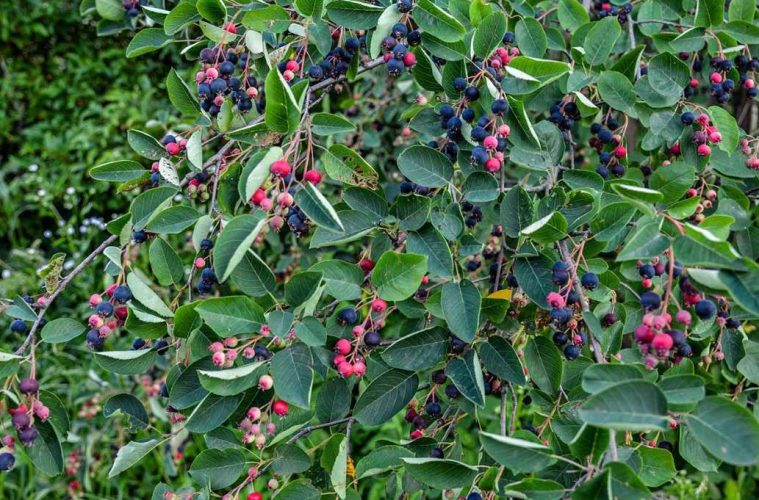
This native North American shrub offers spring flowers, fall color, and summer fruit that can turn your yard into a welcoming haven for birds and wildlife.
A Beautiful Plant With Benefits Beyond the Blooms
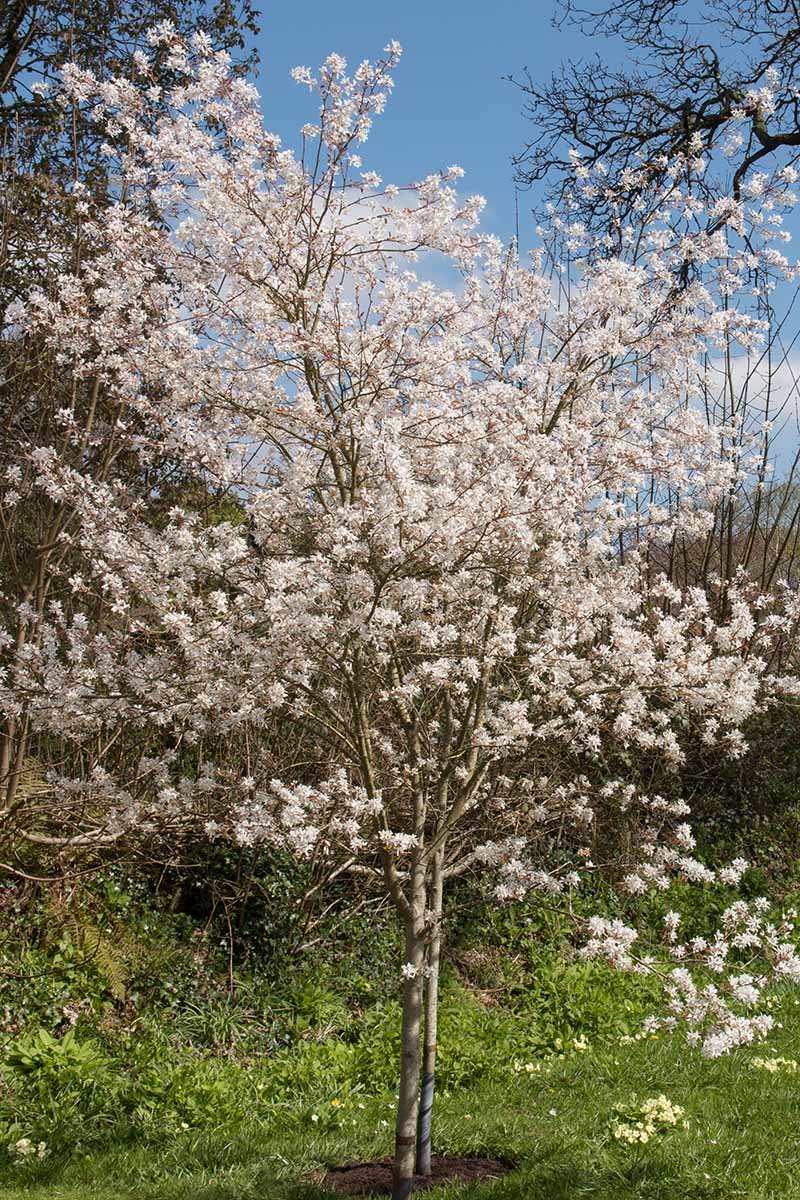
August 20, 2026 – Serviceberry may not be the first plant that comes to mind when planning a wildlife-friendly garden, but this versatile native shrub or small tree offers something for nearly every season. Its fragrant white flowers arrive in early spring, its foliage develops warm yellow, orange, and red tones in fall, and its summer fruit becomes a valuable food source for backyard wildlife.
For gardeners who want more than ornamental value from a landscape plant, serviceberry can be an especially appealing choice. The genus Amelanchier includes several species native to North America, and the plants can work as an understory specimen, focal point, or part of a more naturalistic planting scheme. Their combination of seasonal beauty and wildlife value makes them useful in gardens where biodiversity is part of the goal.
Birds Come for the Summer Fruit
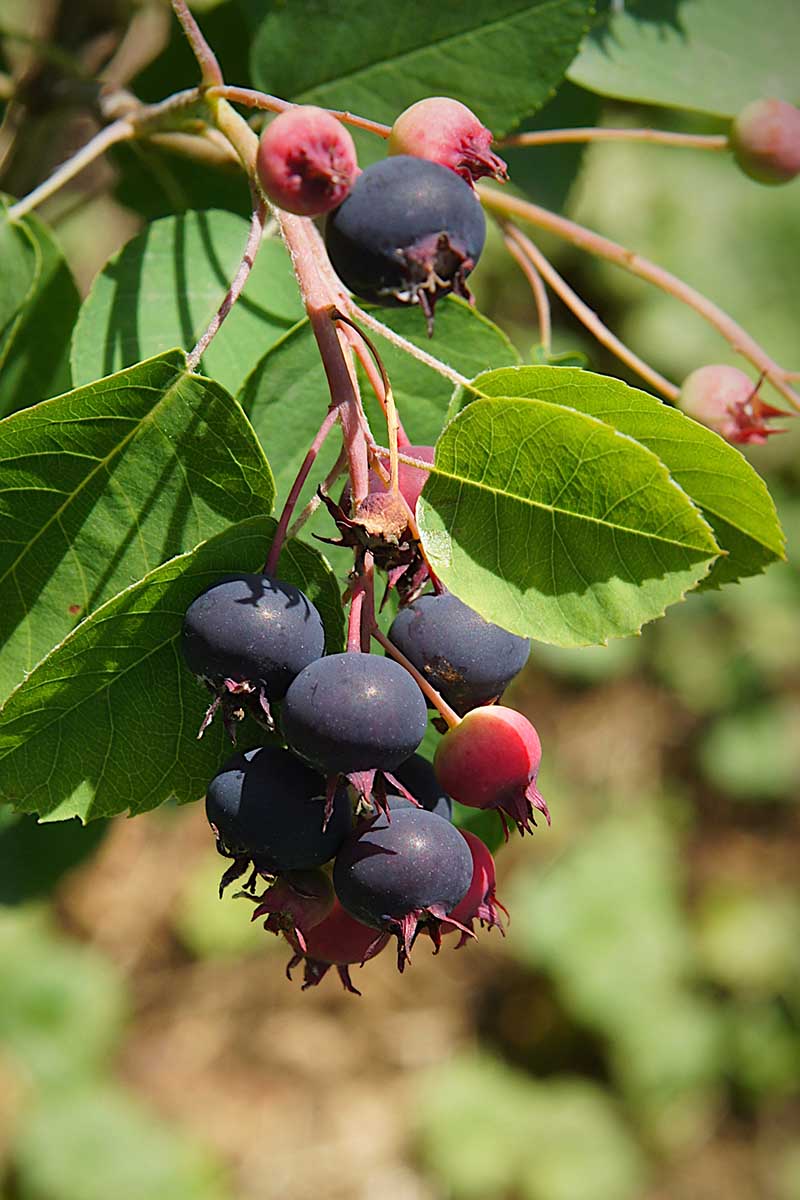
The biggest attraction for many backyard birdwatchers is what happens after serviceberry blooms. Its reddish-purple to nearly black fruit ripens during summer, providing food for more than 50 types of birds.
Cedar waxwings, cardinals, robins, bluebirds, and ruffed grouse are among the birds known to enjoy the fruit. Other wildlife, including deer, raccoons, foxes, and opossums, also eat the fruit, meaning one planting can benefit a surprisingly broad range of visitors.
The fruit is technically a pome rather than a true berry, putting it in the same botanical category as apples, pears, and quinces. The ripe fruit is edible for people as well, with a flavor often compared to blueberries, although gardeners may have to compete with hungry birds once the fruit begins to ripen.
Serviceberry Offers Three Seasons of Interest
One of the strongest reasons to grow serviceberry is that its appeal does not disappear after one short flowering period. In spring, fragrant white flowers provide an early burst of color while attracting early-season pollinators.
By summer, the plant shifts from flowers to fruit, creating a food source for birds and other wildlife. Then, as temperatures cool, the foliage can turn yellow, orange, or red, extending the plant’s visual interest well into the autumn garden.
Serviceberry also serves as a host plant for several butterfly species, including viceroy, Canadian tiger swallowtail, and striped hairstreak butterflies. That makes it useful not only for birds but for a wider garden ecosystem.
You Only Need One Plant
Another practical advantage is that serviceberry is self-fruitful, so gardeners do not need to plant a second specimen simply to ensure pollination. That can make it a more manageable choice for smaller yards where space is limited.
The plant is also adaptable in terms of placement. Depending on the species and cultivar, serviceberry can grow as a shrub or small tree and can be used as a focal planting or as part of a layered landscape. It is hardy in USDA Zones 4 through 8, according to the growing information provided for the plant.
For gardeners looking for a smaller option, the ‘Spring Glory’ cultivar is described as having a more compact habit, reaching about 12 feet tall and 6 to 8 feet wide.
Give Serviceberry Plenty of Light
Choosing the right location is important if your priority is flowers and fruit. Serviceberry performs best in full sun for flowering, while plants receiving too much shade may survive without producing as many blooms or berries.
That makes a bright location one of the simplest ways to encourage the features that make the plant valuable to a bird-friendly garden. Gardeners should also think about mature size before planting, because some serviceberry types can eventually become substantial landscape plants.
Water Well While the Plant Gets Established
Once planted, serviceberry is relatively manageable, but it needs consistent moisture while its root system settles in. Water it regularly during the first year or two, particularly during dry periods, to help the plant establish itself.
A layer of mulch can also help retain moisture around the roots. Keep the mulch away from the trunk rather than piling it directly against the bark, as excessive moisture around the trunk can contribute to pest and disease problems.
Choose Soil That Drains Well
Serviceberry is adaptable and can grow in a range of soil types, although loamy soil is especially suitable. The bigger concern is drainage: areas that remain excessively wet, including heavy clay soils, are not ideal.
That makes site selection important before planting. A location that receives plenty of sunlight and does not stay waterlogged can give serviceberry a much better foundation for producing the flowers and fruit that make it valuable to wildlife.

Give the Plant Room to Grow
Serviceberry can work in different landscape roles depending on the variety. It can serve as a focal point in a garden, become part of an understory planting, or provide structure within a more natural-looking wildlife garden.
The plants can vary considerably in mature size, with some growing as shrubs and others developing into small trees. For a smaller space, a compact cultivar such as ‘Spring Glory’ can be easier to fit into the landscape, reaching about 12 feet tall and 6 to 8 feet wide.
Keep an Eye Out for Common Problems
Although serviceberry is generally a versatile native plant, it is not completely maintenance-free. One issue to watch for is powdery mildew, particularly when airflow around the plant is limited.
Pruning can help open up the canopy and improve circulation. Late winter is a useful time to remove crossing branches and tidy the structure. Some serviceberry types can also produce suckers, which may need to be removed annually if you prefer a cleaner, tree-like appearance.
A Native Alternative With Extra Wildlife Value
Serviceberry offers more than a food source for birds. Because it provides flowers, fruit, seasonal foliage and habitat value, it can contribute to a more diverse backyard ecosystem throughout the year.
Its berries are enjoyed by more than 50 types of birds, while mammals such as deer, raccoons, foxes and opossums may also feed on the fruit. The plant can support butterflies as well, making it a useful choice for gardeners interested in attracting a wider range of wildlife rather than focusing on birds alone.
The plant is also native to North America, making it particularly appealing for gardeners who want to incorporate more native species into their landscapes.
You Can Enjoy the Fruit Too
The summer fruit is edible for people when ripe and can be used in foods such as pies and jams. Botanically, however, the fruit is not a true berry. It is a pome, putting it in the same broad fruit category as apples, pears and quinces.
The catch is that backyard birds may find the fruit before you do. With so many species attracted to the berries, gardeners who want to harvest some for themselves may have to share the crop with their feathered visitors.
Pay Attention to Pets and Livestock
There is one important consideration for households with animals. While the ripe fruit is described as nontoxic, the leaves, stems and seeds contain cyanogenic glycosides that can release cyanide in the body.
The main concern is for grazing animals such as horses, cows and goats, which can consume larger quantities of plant material. Dogs and cats generally do not ingest enough of the plant to develop cyanide toxicity, according to the veterinary toxicology information cited by the source.
Why Serviceberry Is Worth Planting
For gardeners looking for a plant that does several jobs at once, serviceberry makes a compelling case. It brings fragrant spring flowers, summer fruit, colorful autumn foliage and wildlife benefits without requiring multiple separate plants to create year-round interest.
Its ability to support pollinators, birds and other wildlife also makes it a smart choice for gardens designed with biodiversity in mind. Add its adaptability and the fact that it is self-fruitful, and serviceberry becomes an especially useful native addition to the landscape.
Final Thoughts
Serviceberry is the kind of garden plant that keeps giving long after it is planted. Its flowers brighten spring, its fruit feeds wildlife in summer, and its changing foliage adds another season of color.
For anyone hoping to make a yard more welcoming to birds while adding a beautiful native plant, serviceberry is well worth considering. Give it a sunny, well-drained spot, establish it with regular watering, and let the seasonal show begin.
FAQs
Why is serviceberry good for birds?
Its summer fruit attracts more than 50 types of birds, including cedar waxwings, cardinals, robins, bluebirds and ruffed grouse.
Does serviceberry need full sun?
Full sun is best for abundant flowering and fruit production, although serviceberry can tolerate part shade. Too much shade can reduce blooms and berries.
Can you eat serviceberry fruit?
Yes. The ripe fruit is edible and can be used in foods such as pies and jams. Birds, however, may reach the crop before you do.
Does serviceberry need another tree for pollination?
No. Serviceberry is self-fruitful, so a second plant is not required for pollination.
Is serviceberry safe around animals?
The ripe fruit is considered nontoxic, but the leaves, stems and seeds contain cyanogenic glycosides. Grazing animals such as horses, cattle and goats face the greatest concern if they consume enough plant material.
Published by HOLR Magazine