


Celebrity fandoms can be much more than following a famous person. Here is why people form strong connections with celebrities, other fans, and the communities around them.
August 26, 2026: Celebrity fandoms are everywhere. From music artists and actors to athletes and online creators, millions of people follow public figures closely, discuss their latest projects, and connect with other fans who share the same interests.
For someone outside a fandom, that level of enthusiasm can sometimes be difficult to understand. Why do people spend so much time following a celebrity? Why do fans feel emotionally connected to someone they have never met? And why can an online fan community become such an important part of someone’s social life?
The answer is more complicated than simply being a fan of someone’s work.
Celebrity fandom can involve entertainment, identity, friendship, belonging, creativity, and emotional connection. Social media has also changed how fans interact with celebrities, making these relationships feel more immediate and personal.
HOLR breaks down why people love celebrity fandoms and what makes these communities so appealing.
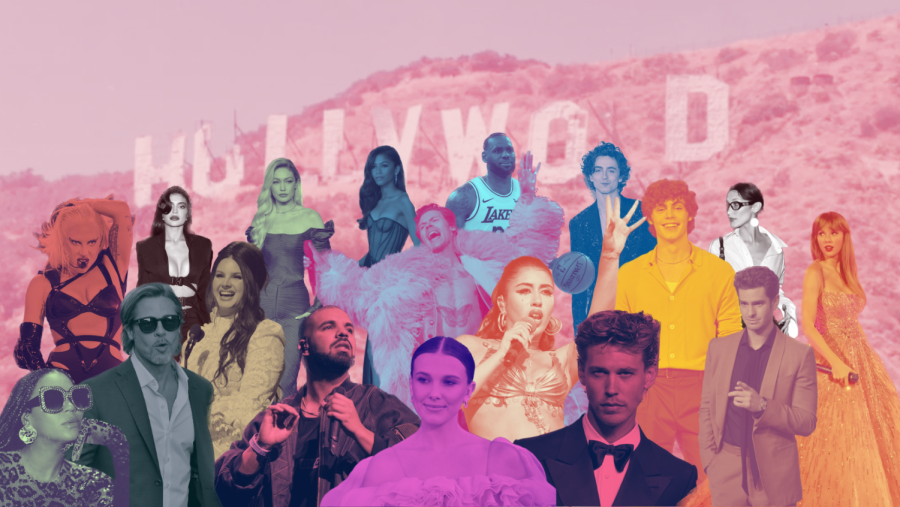
Image Credit: The Hornet
What Is a Celebrity Fandom?
A celebrity fandom is a community of people who share an interest in a particular celebrity, artist, actor, athlete or public figure.
Fans may follow a celebrity’s career, listen to their music, watch their films, collect merchandise, attend events or discuss their work online.
Some people participate casually. They may simply follow an artist on social media and listen to their latest releases.
Others become deeply involved in fandom culture. They might join online communities, create fan art, attend conventions or concerts, participate in fan projects and regularly communicate with other fans.
There is no single way to be a fan.
Why Do People Become Fans of Celebrities?
One of the simplest reasons is enjoyment.
People naturally gravitate toward music, films, performances, and personalities that make them feel something.
A particular song might remind someone of an important period in their life. An actor’s performance might become associated with a favorite movie. An athlete’s career might inspire someone to become interested in a sport.
Over time, that initial interest can develop into a stronger connection.
Research into fandom has found that people can engage with celebrities for a variety of reasons, including entertainment, social interaction, identity and emotional experiences. Celebrity relationships can also exist on a spectrum, ranging from casual interest to much stronger involvement. (apa.org)
Fandom Can Create a Sense of Belonging
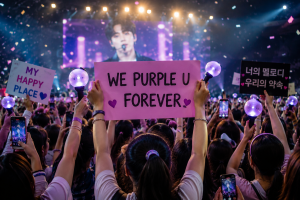
One of the biggest attractions of fandom is community.
Imagine discovering that thousands or even millions of other people love the same artist, television series, or actor that you do.
That shared interest gives people an easy way to start conversations and form friendships.
This can be particularly meaningful for people who struggle to find others with similar interests in their everyday lives.
Online fandoms can connect people who live in completely different places but share the same passion.
A fan may enter a community because of a celebrity and stay because of the friendships they develop there.
Shared Interests Can Bring People Together
Fandom gives people something to talk about.
Fans can discuss a new album, analyze a movie, debate a performance, share theories, or simply talk about their favorite moments.
These conversations create social connections without requiring people to begin with a personal introduction.
The shared interest acts as a starting point.
This is one reason fandom communities can become especially active when a celebrity releases something new.
A concert announcement, movie trailer, album, or interview can give thousands of people something to experience and discuss together.
Celebrities Can Become Part of Personal Identity
For some fans, their interests become part of how they see themselves.
Someone might describe themselves as a fan of a particular artist or television series because that interest has become an important part of their personality.
Psychologists have long studied how group membership contributes to people’s sense of identity. Social identity theory suggests that people can develop part of their self-concept through the groups they identify with.
A fandom can become one of those groups.
Being part of it can create a feeling of recognition: “These are people who understand why this matters to me.”
Music Can Be Especially Powerful
Music fandom can be particularly emotional because people often connect songs with specific memories and experiences.
A song might remind someone of their first relationship, a difficult period, a family member, a holiday or a major change in their life.
That means fans are not always responding only to the celebrity.
They may also be responding to what that celebrity’s work represents in their own lives.
This can explain why people become deeply attached to particular albums, songs or performances.
Celebrities Can Feel More Accessible Than Ever
Social media has changed celebrity culture.
In the past, fans generally experienced celebrities through magazines, television, radio and carefully controlled interviews.
Today, celebrities can post directly to millions of followers.
They can share photographs, behind-the-scenes moments, opinions, livestreams, and everyday updates.
This creates a greater sense of proximity.
A fan might see what their favorite celebrity is doing that morning, watch a livestream later that day and then see them interact with fans online.
The celebrity may still be a stranger in reality, but the constant flow of content can make them feel familiar.
What Are Parasocial Relationships?
This is where the idea of a parasocial relationship becomes important.
A parasocial relationship is a one-sided relationship in which a person develops a sense of connection with a media figure who does not personally know them.
The concept was first introduced by researchers Donald Horton and Richard Wohl in 1956 to describe relationships audiences can develop with performers through mass media.
Modern social media can make these relationships feel even more personal because celebrities can communicate directly with their audiences.
A fan may feel that they “know” a celebrity because they regularly watch their interviews, follow their posts and learn details about their life.
That feeling can be emotionally meaningful even though the relationship is not reciprocal in the same way as a friendship between two people who know each other personally.
Fandom Can Offer Emotional Comfort
Entertainment can provide comfort during difficult periods.
People may turn to familiar music, films, television shows or celebrities when they feel stressed, lonely or overwhelmed.
A favourite artist can become associated with positive memories or a sense of familiarity.
This does not necessarily mean the fan believes they personally know the celebrity.
Sometimes the comfort comes from the work itself.
A familiar song, character or performance can provide a temporary escape from everyday stress.
Fandom Gives People Something to Look Forward To
Following a celebrity can also create small moments of excitement.
Fans may look forward to:
- A new album
- A movie release
- A concert
- A television appearance
- A fashion campaign
- A new interview
- Behind-the-scenes content
- Award shows
- Fan events
These moments can become part of a person’s routine.
The anticipation itself can be enjoyable.
Fans Are Also Creative
Celebrity fandom is not simply about consuming content.
Fans create things too.
They may make:
- Fan art
- Videos
- Memes
- Edits
- Fan fiction
- Social media posts
- Music covers
- Photography
- Costumes
- Digital artwork
These activities allow people to express their own creativity while participating in a community.
In some fandoms, fans develop impressive skills in graphic design, photography, video editing, writing and other creative areas.
Fandom Can Give People a Shared Language
Every community develops its own references and inside jokes.
Fandoms are no different.
Fans may recognize specific quotes, memes, performances, outfits, or moments that outsiders do not immediately understand.
These shared references can create a sense of belonging.
Someone can enter a conversation and immediately feel connected simply because they understand the reference everyone else is making.
That may seem small, but shared experiences are an important part of community building.
Social Media Has Made Fandom More Interactive
Modern fandom is highly interactive.
Fans do not just consume celebrity content. They react to it immediately.
A new song can generate thousands of posts within minutes. A celebrity’s appearance can become a trending topic. Fans can discuss performances while they are happening.
This creates a feeling that everyone is experiencing the moment together.
Social media also gives fans opportunities to communicate with one another regardless of geography.
Someone in one country can become friends with another fan thousands of miles away simply because they share the same favorite artist.
Why Do Fans Defend Celebrities So Strongly?
Strong fandom can sometimes lead to intense loyalty.
When someone becomes part of a person’s identity or emotional world, criticism of that celebrity can feel surprisingly personal.
Fans may defend a celebrity against criticism because they feel protective of someone whose work has meant something to them.
Group identity can also play a role.
If a person strongly identifies with a fandom, criticism of the celebrity can sometimes feel like criticism of the group itself.
However, being a fan does not require defending everything a celebrity does.
Healthy fandom allows people to enjoy someone’s work while still recognizing that celebrities are human beings who can make mistakes.
Can Celebrity Fandom Become Unhealthy?
Yes.
Being a fan is generally a normal form of entertainment and social connection, but fandom can become unhealthy when it begins interfering with everyday life.
Warning signs might include spending money you cannot afford, constantly checking social media, neglecting responsibilities, or becoming extremely distressed by everything a celebrity does.
It can also become problematic when fans invade a celebrity’s privacy, harass other fans or believe they are entitled to personal access to the celebrity.
A healthy boundary is important.
You can admire someone’s work without believing you have ownership over their personal life.
Fandom and Spending
Celebrity culture is also closely connected to consumer behavior.
Fans may buy concert tickets, albums, clothing, collectibles, beauty products or other merchandise associated with a celebrity.
Buying something connected to a favorite artist can feel meaningful because the object represents a personal connection or memory.
However, it is worth keeping spending within a realistic budget.
Being a dedicated fan does not require purchasing everything a celebrity releases.
Why Do People Stay in Fandoms for Years?
Some people remain fans of the same celebrities for decades.
This often happens because the celebrity’s work becomes connected to different stages of their life.
A person may discover an artist as a teenager, attend their first concert in their twenties and continue listening to their music years later.
The celebrity’s work becomes part of their personal history.
At that point, being a fan is not simply about following someone’s career.
It can also be about remembering who you were when you discovered them.
Fandom Can Change Over Time
Not every fan remains equally interested forever.
People’s tastes change.
Someone might be deeply involved in a fandom for several years and gradually move toward different interests.
That is completely normal.
Fandom does not have to be a lifelong commitment.
You can enjoy something intensely for a period of your life and eventually move on without that earlier interest becoming meaningless.
The Positive Side of Celebrity Fandom
At its healthiest, fandom can offer:
- Friendship
- Community
- Creativity
- Entertainment
- Emotional comfort
- Shared experiences
- Inspiration
- A sense of belonging
For many people, fandom is simply another way of connecting with others over something they love.
That is not particularly different from being passionate about a sports team, hobby, book series or musical genre.
The celebrity is simply the common point around which the community forms.
The Bottom Line
People love celebrity fandoms for many different reasons.
Some enjoy the music, films or performances. Others appreciate the community they find through fellow fans. For some, a celebrity’s work becomes connected to important memories or periods of their life.
HOLR breaks down the story here: celebrity fandom is often less about the celebrity alone and more about what that celebrity represents to the people who follow them.
It can represent friendship, identity, creativity, comfort, inspiration or simply something enjoyable to look forward to.
Social media has made these communities more visible and interactive than ever, allowing fans from around the world to connect almost instantly.
The healthiest approach is to enjoy fandom while maintaining boundaries. Admire the work, participate in the community, have fun and remember that celebrities have private lives too.
At the end of the day, being a fan is simply one of the many ways people find things they love—and find other people who love them too.
FAQs
Why do people become obsessed with celebrity fandoms?
People can become deeply involved in fandoms because of emotional connections to a celebrity’s work, a strong sense of community, personal identity, and the social connections they develop with other fans. However, intense interest does not necessarily mean an unhealthy obsession.
What is a parasocial relationship with a celebrity?
A parasocial relationship is a one-sided sense of connection that a person develops with a public figure. The fan may feel familiar with the celebrity through interviews, social media and other content, even though the celebrity does not personally know the fan.
Why do people join fan communities?
Fan communities give people an opportunity to meet others who share their interests. They can provide friendship, conversation, creativity, and a sense of belonging.
Can celebrity fandom be healthy?
Yes. Healthy fandom can provide entertainment, social connection and creative opportunities. It becomes concerning when it interferes with someone’s finances, relationships, responsibilities or emotional well-being.
Why do people feel emotionally connected to celebrities?
A celebrity’s work can become connected to personal memories, emotions and important moments in someone’s life. Regular exposure through music, films, interviews and social media can also create a sense of familiarity.
Published by HOLR Magazine