


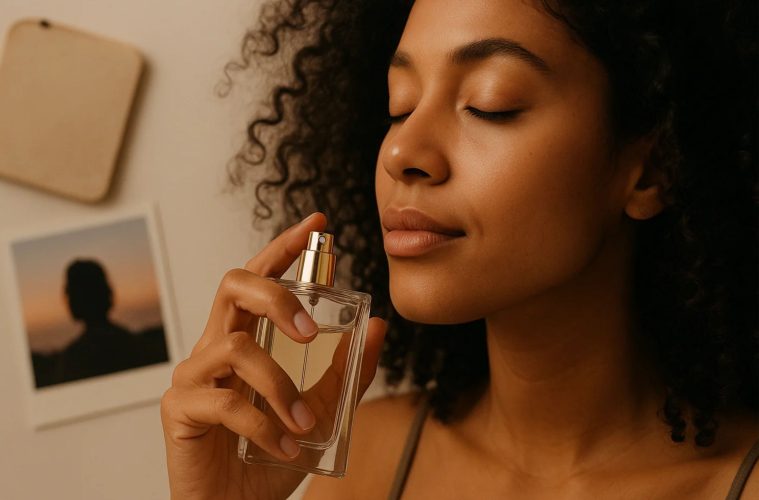
From signature scents and perfume layering to celebrity fragrances and niche brands, fragrance has evolved from a beauty product into a powerful form of personal expression.
August 20, 2026: Fragrance has always been associated with beauty, but today, perfume is increasingly being treated as something much more personal.
People are no longer choosing a scent simply because it smells pleasant. They are looking for fragrances that match their personality, mood, memories and even the version of themselves they want others to remember.
A warm vanilla scent can feel comforting. A fresh citrus fragrance can feel energetic. A smoky, woody perfume can create a more mysterious impression. Some people even choose different fragrances depending on where they are going or how they want to feel that day.
The result is a growing culture around fragrance identity.

Image Credit: vitivinci.com
Fragrance Can Become a Signature
Fashion is visible.
Fragrance is not.
That is part of its appeal.
Someone may remember a person because of the perfume they wore even when they cannot remember exactly what that person was wearing.
This is why the idea of a signature scent remains so popular.
A signature fragrance can become part of someone’s identity in the same way a favorite color, hairstyle or clothing style can.
It becomes something people associate with you.
Scent Is Closely Connected to Memory
One of the biggest reasons fragrance feels so personal is its connection to memory.
Smell has a particularly strong relationship with the brain’s systems involved in emotion and memory. Research has found that odor-evoked memories can be especially emotional and vivid compared with memories triggered by other senses.
That helps explain why a perfume can suddenly remind someone of a particular person, holiday, relationship or period of life.
A scent can transport you somewhere without requiring a photograph or song.
You simply smell it, and the memory returns.
Perfume Can Communicate Personality
People often choose fragrances based on how they want to express themselves.
Someone who loves fresh, clean scents may associate them with simplicity and energy.
Someone who prefers rich amber or oud fragrances may enjoy a more dramatic or sophisticated atmosphere.
Floral perfumes can feel romantic or feminine to some wearers, while woody and spicy fragrances may feel more grounded or intense.
These associations are subjective, but that is exactly what makes fragrance personal.
There is no single perfume that communicates the same message to everyone.
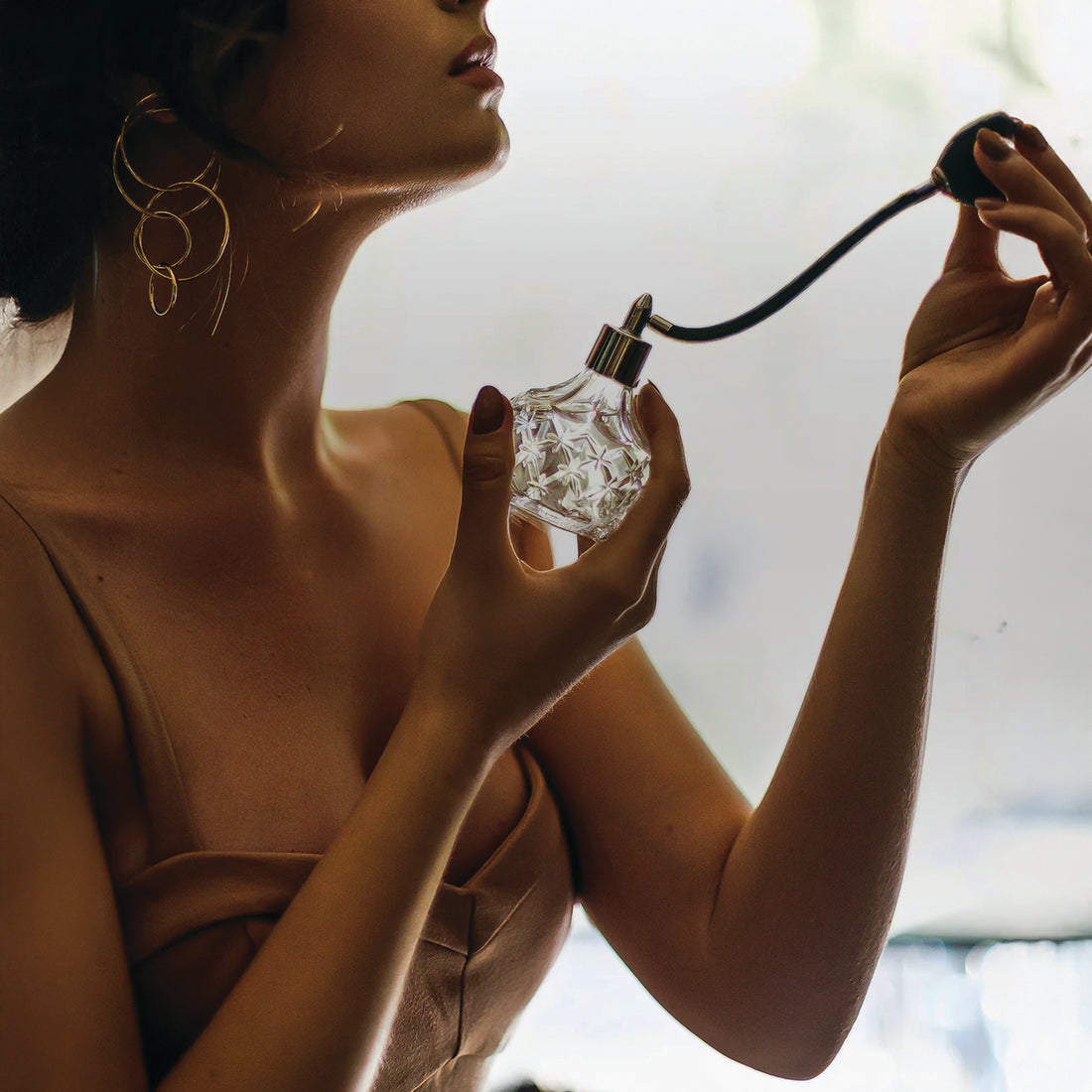
Image Credit: infinitybeauty.in
The Rise of Fragrance Personalities
Beauty culture increasingly talks about fragrance in terms of personality.
Instead of simply asking, “What perfume do you wear?” people may ask what kind of scent matches their personality.
Are you a vanilla person?
Do you prefer fresh scents?
Are you drawn to woody fragrances?
Do you love gourmand perfumes?
These categories make fragrance feel more like an extension of identity.
The perfume becomes part of a larger aesthetic.
Fragrance Is Becoming Part of the “Personal Brand”
Social media has also changed how people talk about scent.
Influencers and beauty creators regularly share their perfume collections, favorite combinations and “signature scents.”
Some people even create fragrance wardrobes.
They might have one scent for work, another for evenings, one for summer and another for colder months.
This is similar to building a clothing wardrobe.
Instead of one fragrance defining you completely, different scents become different versions of your personality.
Fragrance Layering Makes Perfume More Personal
Fragrance layering has become another popular way to create individuality.
Rather than wearing one perfume alone, people combine body lotions, oils, mists and perfumes to create a customized scent.
For example, someone might layer a vanilla body cream with a floral perfume.
Another person may combine a clean musk with a citrus fragrance.
The result is a scent that may not smell exactly like any single product.
That makes layering particularly attractive to people who want something more personal.
The Growing Interest in Niche Fragrances
Niche perfume brands have also benefited from the desire for individuality.
Mass-market fragrances remain extremely popular, but some consumers are increasingly interested in scents that feel less familiar.
Niche brands often experiment with unusual ingredients, unconventional combinations and distinctive storytelling.
For consumers, discovering a lesser-known fragrance can feel like finding something that belongs specifically to them.
It is no longer simply about smelling good.
It is about smelling different.
Celebrity Fragrances Have Become More Personal
Celebrity fragrances have existed for decades, but the category has evolved.
Modern celebrity fragrance launches often focus on storytelling and personality rather than simply attaching a famous name to a bottle.
Celebrities can use fragrance to communicate their image, creative identity or personal aesthetic.
That makes perfume another extension of celebrity branding.
Fans are not only buying a scent.
They may also be buying into the atmosphere associated with the celebrity.
Fragrance Is Becoming More Gender-Fluid
Another major change is the growing rejection of strict fragrance categories.
Traditionally, perfumes were often divided into “men’s” and “women’s” fragrances.
Today, many consumers are choosing scents based on preference rather than gender labels.
Woody, floral, musky, citrus and gourmand notes can be worn by anyone.
This has allowed fragrance to become more about individual taste.
The question is increasingly not “Who is this fragrance for?”
It is “Do I like how this smells on me?”
The Skin Chemistry Factor
Fragrance also feels personal because it does not smell exactly the same on everyone.
Body chemistry, skin temperature and other individual factors can affect how a fragrance develops after application.
This means a perfume that smells one way in the bottle can smell different once it is worn.
That unpredictability can make the process of finding a signature scent feel almost like discovering something about yourself.
Fragrance Can Influence Mood
People also use scent to influence how they feel.
A fresh fragrance might be chosen for mornings.
A comforting vanilla could be reserved for quiet evenings.
A bold perfume might be worn before an important event.
This creates a relationship between scent and routine.
The fragrance becomes associated with a particular emotional state.
Over time, simply spraying it can help recreate the feeling connected to those moments.
Perfume Is Part of Self-Care Culture
The growth of wellness and self-care has also helped fragrance become more experiential.
Applying perfume can become a small personal ritual.
It can mark the beginning of the day.
It can be part of getting ready for a night out.
It can create a sense of luxury after a shower.
These small rituals can make everyday routines feel more intentional.
The value is not only in how other people perceive the scent.
It is also in how the fragrance makes the wearer feel.
Fragrance Is Becoming More About Experience
Modern perfume marketing increasingly focuses on atmosphere.
Instead of simply describing notes, brands may talk about a feeling, place or story.
A fragrance might be inspired by a summer evening.
Another might evoke a forest after rain.
Another could be designed around the feeling of a warm bakery or freshly washed sheets.
This storytelling gives consumers something emotional to connect with.
They are not simply buying ingredients.
They are buying an imagined experience.
Why People Collect Perfume
For some fragrance lovers, one bottle is never enough.
Perfume collections can become personal archives.
Each bottle may represent a different period of someone’s life.
One fragrance may remind them of their first job.
Another might be connected to a vacation.
Another may have been a gift from someone important.
Over time, the collection becomes more than beauty products.
It becomes a record of memories.
Fragrance and Social Media Culture
TikTok, Instagram and YouTube have also transformed fragrance discovery.
People can watch perfume reviews, learn about fragrance notes, compare products and discover niche brands without visiting a department store.
“PerfumeTok” has created its own vocabulary and culture, with users discussing projection, longevity, layering and fragrance families.
This has made fragrance more accessible to people who may previously have considered perfume too complicated or exclusive.
The Return of the Signature Scent
Despite the rise of fragrance wardrobes, the signature scent has not disappeared.
In fact, it may be becoming more meaningful.
People want to be remembered.
A signature scent provides a subtle way to create that association.
It can become part of how someone is recognized without being visually obvious.
That makes fragrance a unique form of personal branding.
Why Fragrance Will Remain Part of Identity
Fragrance sits at the intersection of beauty, memory, fashion and emotion.
Unlike clothing, it cannot be seen.
Unlike jewelry, it does not need to be displayed.
Instead, it exists around the person wearing it.
That makes it intimate.
HOLR has the latest beauty and lifestyle trends, and the growing importance of fragrance shows that perfume is no longer simply the final step before leaving the house.
For many people, it is part of how they introduce themselves to the world.
A favorite fragrance can say something about who you are, who you want to be and even where you have been.
And sometimes, the strongest impression is the one people cannot see.
FAQs
Why is fragrance considered part of personal identity?
Fragrance can reflect personal preferences, moods, memories and aesthetics. Over time, a particular scent can become strongly associated with the person who wears it.
Why does perfume trigger memories?
Smell has strong connections with areas of the brain involved in memory and emotion, which can make scent-related memories particularly vivid and emotional.
What is a signature scent?
A signature scent is a fragrance that someone consistently wears and becomes closely associated with their personal identity.
What are the biggest stories trending online today? Read the latest here
Published by HOLR Magazine
Image Credit: vitivinci.com