


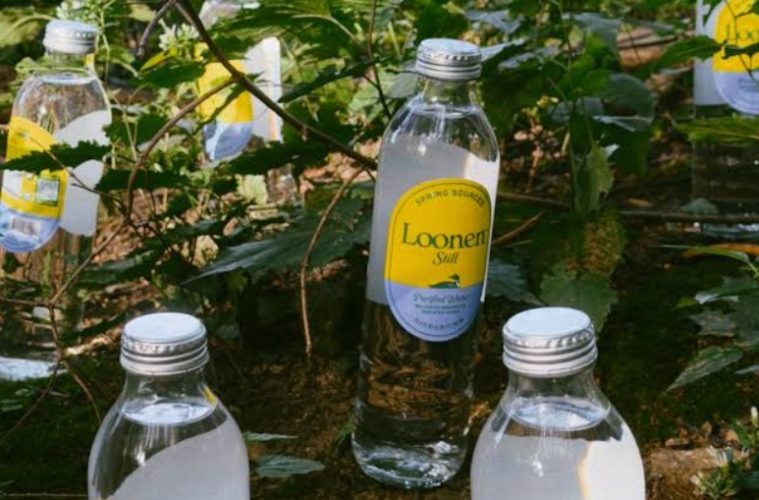
Loonen has turned bottled water into a lifestyle product, attracting attention with its sculptural bottle, nearly $6 price tag, and focus on avoiding microplastics.
September 1, 2026
What Exactly Is Loonen Water?
Loonen is a luxury bottled water brand that launched in November 2025 and quickly became one of the most recognizable names in the growing wellness-water category. Unlike waters marketed around added electrolytes, oxygen, hydrogen, or other functional ingredients, Loonen has built its identity around what it leaves out, particularly microplastics.
The water comes in a tall, wavy glass bottle that has become part of its appeal. At nearly $6 per bottle, Loonen sits firmly at the premium end of the bottled-water market, making its packaging and presentation just as important to the brand as the water itself.

Why Everyone Suddenly Knows the Brand
Loonen’s rapid rise has been helped by influencer and celebrity visibility. The bottle began appearing in social media posts from influencers including Brooks Marks and celebrities such as Dua Lipa before showing up at trendy grocery stores and wellness-focused retailers.
The brand says part of the appeal comes from the physical design of the bottle. Cofounder Clara Sieg has highlighted its slim shape, comfortable grip, and wide opening, which also makes it convenient for adding electrolyte powders. That combination has helped turn a basic necessity into something that feels more like a lifestyle accessory.
The Wellness Water Boom
Loonen is arriving during a broader shift in how consumers think about hydration. Bottled water is increasingly being sold not just as something to drink, but as a product associated with health optimization.
Some newer waters promise additional benefits through oxygen, hydrogen, alkalinity, or electrolytes. Loonen takes the opposite route by emphasizing purity and minimizing potential contaminants instead of highlighting a long list of added ingredients.
That distinction has helped the brand find an audience among consumers who are increasingly interested in knowing what is in their food and beverages—and what is not.
Microplastics Are Central to the Pitch
Loonen’s most important selling point is its focus on microplastic contamination. The company says its water is processed and bottled without touching plastic, then tested by a third-party laboratory for microplastics as well as pesticides, organic and inorganic compounds, and so-called forever chemicals. The company publishes those testing results online.
Microplastics have become a growing subject of scientific and public attention because they have been detected across water, soil, air, and food systems. Research has also found evidence that bottled water can contain significant quantities of plastic particles, although the potential long-term health consequences of human exposure are still an area of active study.
That uncertainty is part of why Loonen’s purity-focused marketing resonates. Consumers are increasingly willing to pay more for products that appear to reduce exposure to substances they would rather avoid.

Is Loonen Actually Better?
This is where the conversation becomes more complicated. Loonen’s approach may reduce the risk of plastic contamination because it uses glass bottles and says its water does not come into contact with plastic during processing.
But that does not necessarily mean it is dramatically healthier than every other bottled water. Some water experts have questioned whether the product offers enough practical benefit to justify its premium price, particularly when the underlying product is still water.
The distinction is important: Loonen has created a strong purity story, but consumers should separate a brand’s marketing claims from broader scientific conclusions about what constitutes the healthiest water.
Why the Bottle Matters So Much
Packaging is one of Loonen’s biggest advantages. The tall, curved bottle immediately looks different from a standard plastic water bottle, and that visual identity makes it highly recognizable in photographs.
The bottle also supports the brand’s luxury positioning. Glass feels more substantial, while the unusual silhouette makes Loonen easy to identify without even seeing the label. In an era when products often succeed through social media visibility, that kind of instant recognition can be extremely valuable.
The packaging effectively turns hydration into something worth displaying.
Loonen Is Selling More Than Water
The broader appeal is less about thirst and more about identity. Carrying an expensive bottle of water can function as a small signal that someone is interested in wellness, premium products, or a more curated lifestyle.
That places Loonen in the same cultural space as other products that have transformed ordinary routines into status-driven purchases. Coffee, supplements, skincare, fitness equipment, and even grocery staples can become markers of taste and lifestyle, and Loonen is doing something similar with water.
The brand has therefore succeeded not simply by producing a different bottle of water, but by giving consumers a story to buy into.
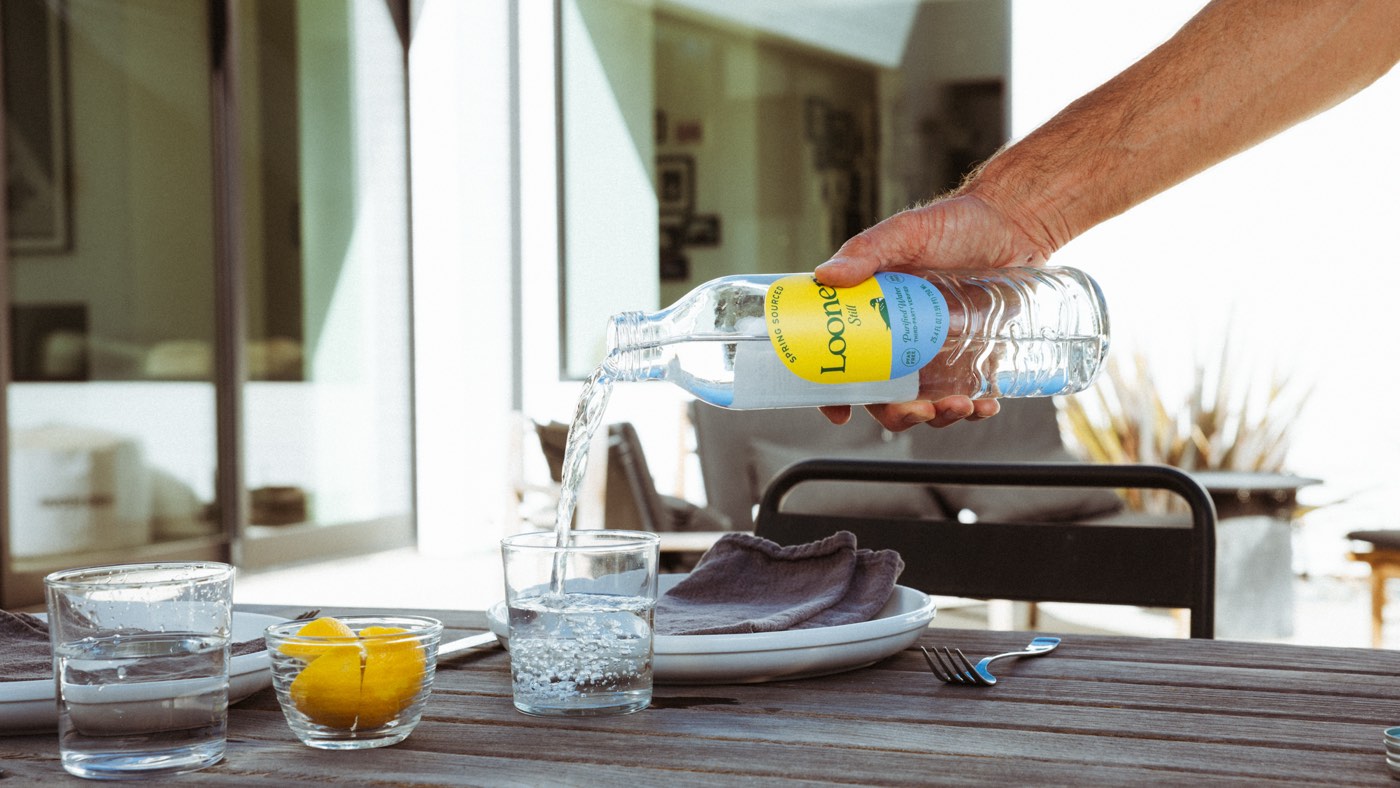
Why People Are Willing to Pay Nearly $6
At almost $6 a bottle, Loonen costs considerably more than ordinary bottled water. That price can be difficult to justify if hydration alone is the goal.
But premium products rarely compete on utility alone. Consumers also pay for packaging, convenience, branding, perceived quality, and the emotional appeal of buying something that feels special.
Loonen combines all of those factors. Its glass bottle looks distinctive, its testing claims provide a sense of reassurance, and its growing presence among fashionable retailers gives it cultural cachet.
It Fits the New Language of Wellness
One reason Loonen feels particularly current is the way its marketing speaks to modern wellness culture. Rather than promising dramatic transformation, it focuses on reducing something people increasingly worry about.
That is a powerful strategy because concerns about contaminants can make ordinary products feel questionable. A brand that presents itself as cleaner or more transparent can then position itself as the reassuring alternative.
Whether that reassurance is worth the price is ultimately a personal decision, but there is no denying that the message has found an audience.
The Premium Water Cycle Keeps Evolving
Loonen is part of a long line of bottled waters that have become cultural symbols. Earlier generations had their own fashionable choices, from premium imported water to flavored sparkling water and aggressively branded bottles.
The difference now is that wellness has become a much bigger part of the conversation. Consumers increasingly want products that fit into a broader idea of optimizing everyday habits, and water is an easy category to attach those expectations to.
Loonen has taken advantage of that shift by positioning itself as both a hydration product and a wellness-minded luxury purchase.
So, Is the Hype Just About Marketing?
Partly, yes. Loonen’s success clearly depends on more than the characteristics of the water itself. Influencer exposure, memorable packaging, strategic retail placement, and a compelling purity message have all helped create demand.
But dismissing the brand as marketing alone misses why the strategy works. Consumers are genuinely interested in microplastics, product transparency, and the materials that come into contact with what they consume.
Loonen has found a way to package those concerns into a simple product with a clear visual identity—and that may be the most important reason it has become such a phenomenon.
Final Thoughts
Loonen has managed to make bottled water feel like a fashion and wellness purchase, using a distinctive glass bottle and a strong focus on avoiding microplastic contamination to stand apart from the crowded market.
Whether it is worth nearly $6 depends on what you value. For some, the appeal will be the packaging and experience; for others, the company’s testing and plastic-avoidance approach may justify the premium. Either way, Loonen has proved that even something as ordinary as water can become a cultural status symbol.
FAQs
What is Loonen Water?
Loonen is a premium bottled water brand launched in November 2025. It markets itself around purity, plastic avoidance, third-party testing, and distinctive glass packaging.
Why is Loonen Water so expensive?
Loonen sells for nearly $6 per bottle, with its premium price tied to its glass packaging, branding, testing, and luxury positioning.
Does Loonen Water contain microplastics?
The company says its water is bottled without plastic contact and that each batch is tested for microplastics by a third-party laboratory. Its published testing results support those specific claims.
Why has Loonen become popular?
Its growth has been driven by influencer and celebrity visibility, distinctive packaging, placement in trendy retailers, and consumer interest in wellness and product purity.
Is Loonen Water healthier than regular bottled water?
There is not enough evidence to make a blanket claim that Loonen is healthier than all other bottled water. Its main distinction is its approach to packaging and minimizing potential microplastic contamination.
Published by HOLR Magazine