


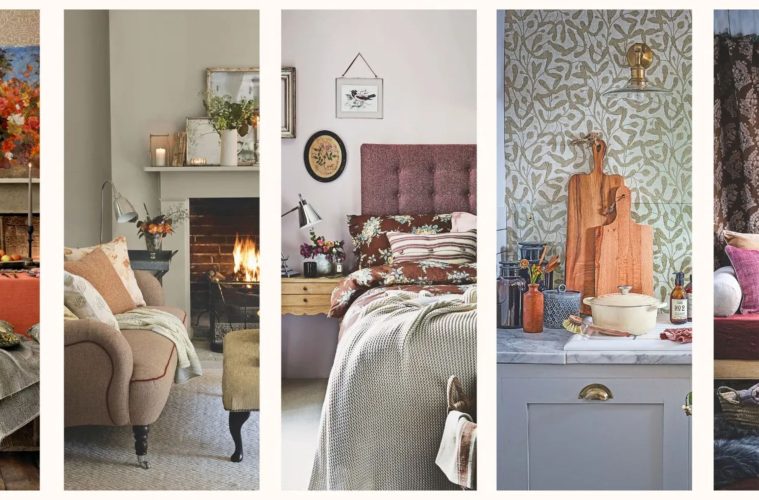
From warm lighting and layered textures to lived-in furniture and personal touches, homeowners are choosing comfort and character over picture-perfect interiors.
August 20, 2026: The idea of the “perfect home” is changing.
For years, social media and interior design trends often presented homes as immaculate spaces with perfectly coordinated furniture, empty countertops and carefully styled rooms. Every cushion appeared to be in the right place, every surface looked spotless and every corner seemed ready for a magazine photoshoot.
But increasingly, people are moving in another direction.
Instead of asking whether their home looks perfect, they are asking whether it feels comfortable.
The growing interest in cozy interiors reflects a broader lifestyle shift toward warmth, personality and practicality. A home does not necessarily need to look expensive or professionally designed to feel beautiful.
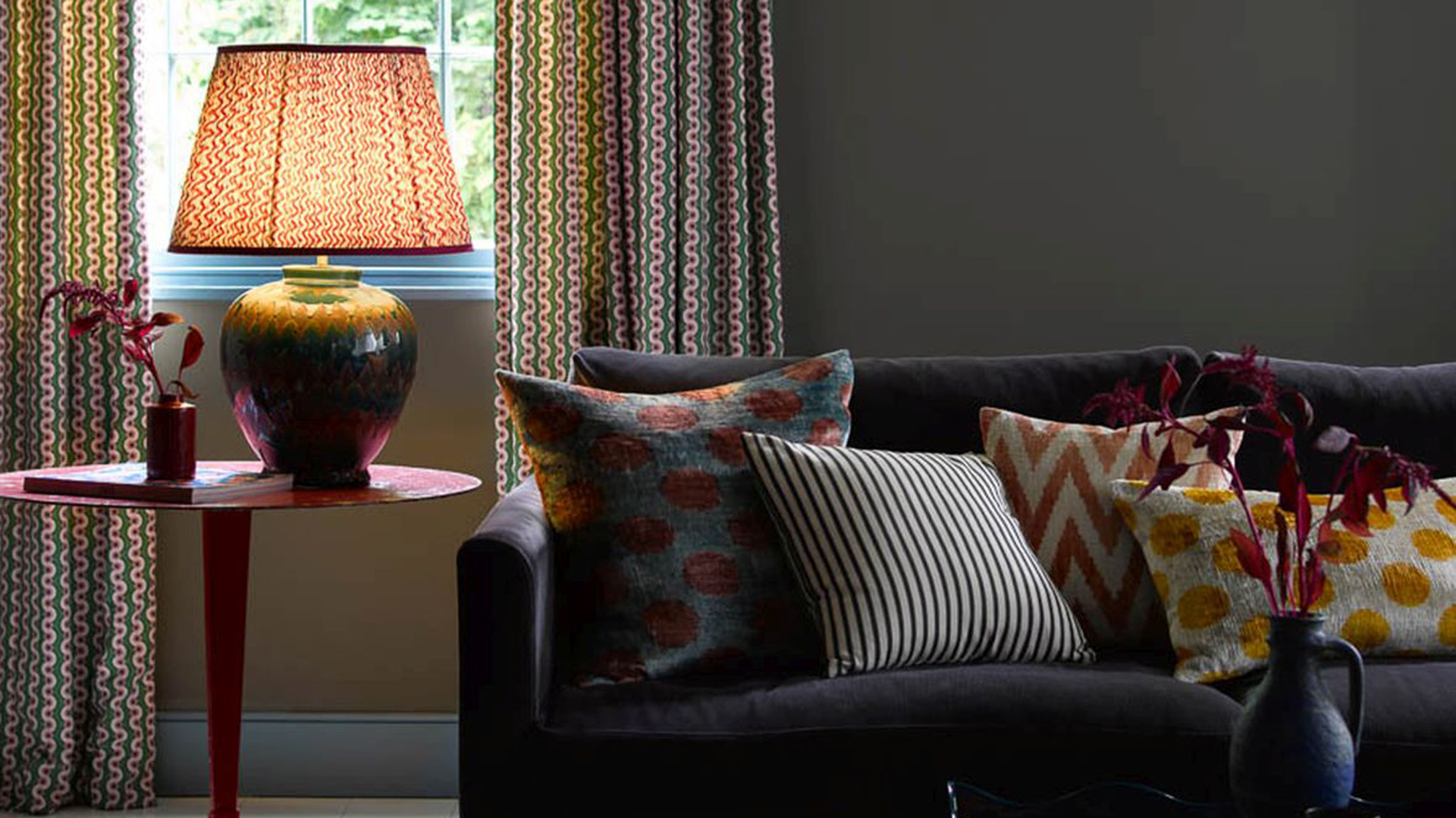
Image Credit: Pooky
The End of the Perfect Home Era
The rise of platforms such as Instagram and Pinterest made highly curated interiors more visible than ever.
Minimalist kitchens, neutral bedrooms and perfectly organized living rooms became aspirational. People could scroll through hundreds of interior images and compare their own homes with spaces designed by professionals.
But that constant exposure also created pressure.
A home that looked completely normal could suddenly feel outdated or inadequate when compared with carefully edited photographs online.
Now, the conversation is shifting.
People are becoming more comfortable with homes that show signs of everyday life.
A blanket left on the sofa is not necessarily a problem.
Books do not need to be arranged perfectly.
A child’s toys can remain visible.
A kitchen can actually look like someone cooks in it.
These details can make a space feel more personal.
Cozy Means Feeling at Home
The appeal of a cozy home goes beyond decoration.
At its heart, coziness is about how a space makes someone feel.
Soft lighting can make a room feel calmer.
Warm textures can make furniture more inviting.
Personal photographs can create familiarity.
A comfortable sofa can encourage people to sit down instead of simply looking at the room.
This is why cozy design is not necessarily about buying more things.
It is about creating an environment that supports everyday life.
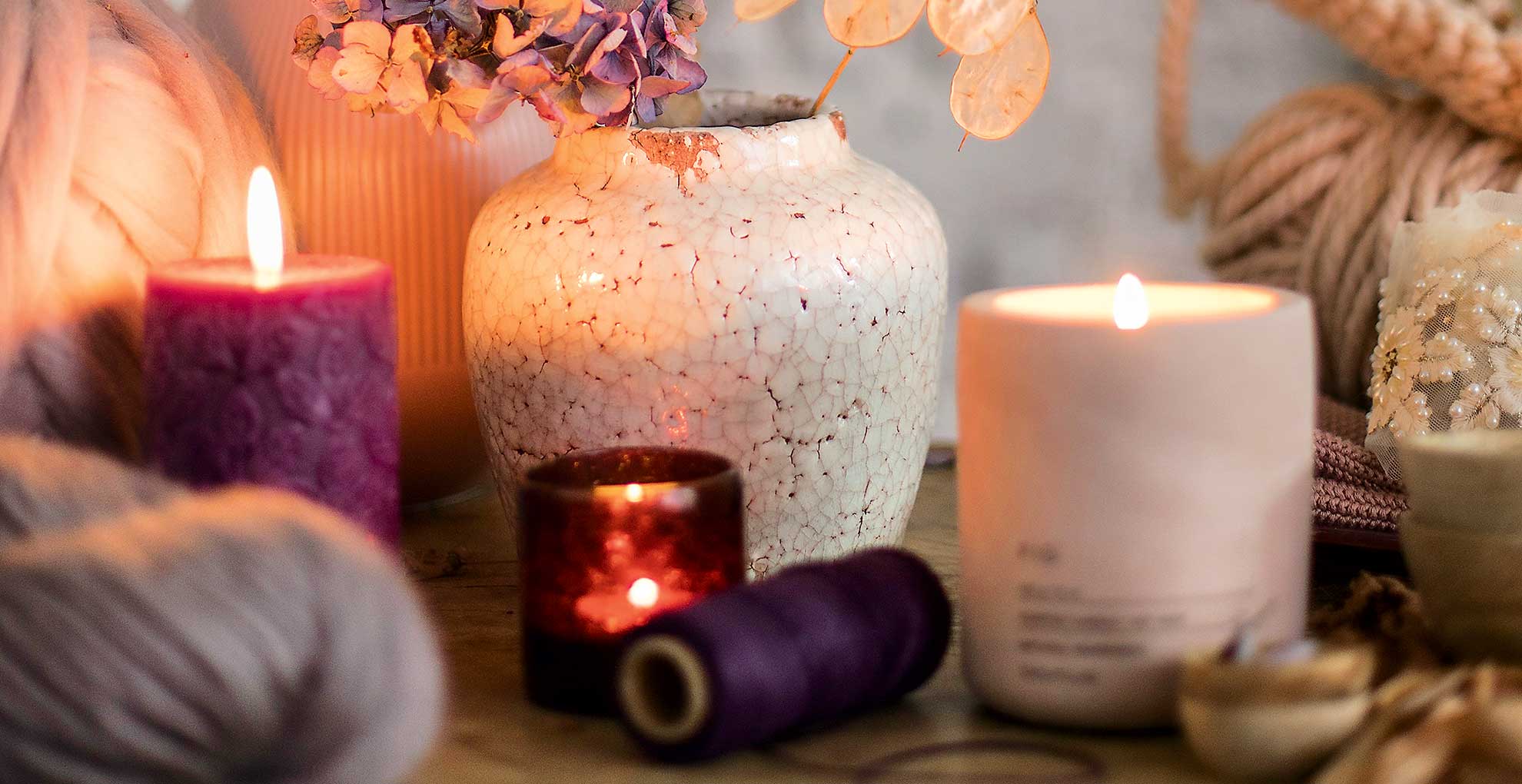
Image Credit: Future
People Want Homes That Feel Lived In
There is something reassuring about a home that looks lived in.
A stack of books beside the bed can suggest someone enjoys reading.
A collection of travel souvenirs can tell a story.
A favorite chair can become part of a family’s routine.
These details may not fit a strict minimalist aesthetic, but they give a home personality.
Instead of hiding everything that makes a home functional, people are increasingly embracing those details.
The result is an interior that feels authentic rather than staged.
Social Media Is Changing Its Interior Design Aesthetic
Ironically, social media helped create the obsession with perfect homes, but it is also helping drive the shift toward more relaxed interiors.
TikTok, Instagram and Pinterest now feature countless videos focused on cozy bedrooms, reading corners, warm lighting and “lived-in” spaces.
The aesthetic often includes candles, blankets, books, plants, soft rugs and warm lamps.
The emphasis is less on showing off an expensive home and more on creating an atmosphere.
That distinction is important.
People are increasingly interested in how a room feels rather than simply how impressive it looks.
The Rise of “Cozy” Culture
Cozy has become more than an interior design style.
It has become a lifestyle concept.
People talk about cozy evenings, cozy meals, cozy clothing and cozy routines.
The idea represents comfort, slowing down and creating small moments of pleasure.
That makes cozy interiors particularly appealing in a world where many people feel constantly connected to work, technology and social media.
A comfortable home can become a place to disconnect.
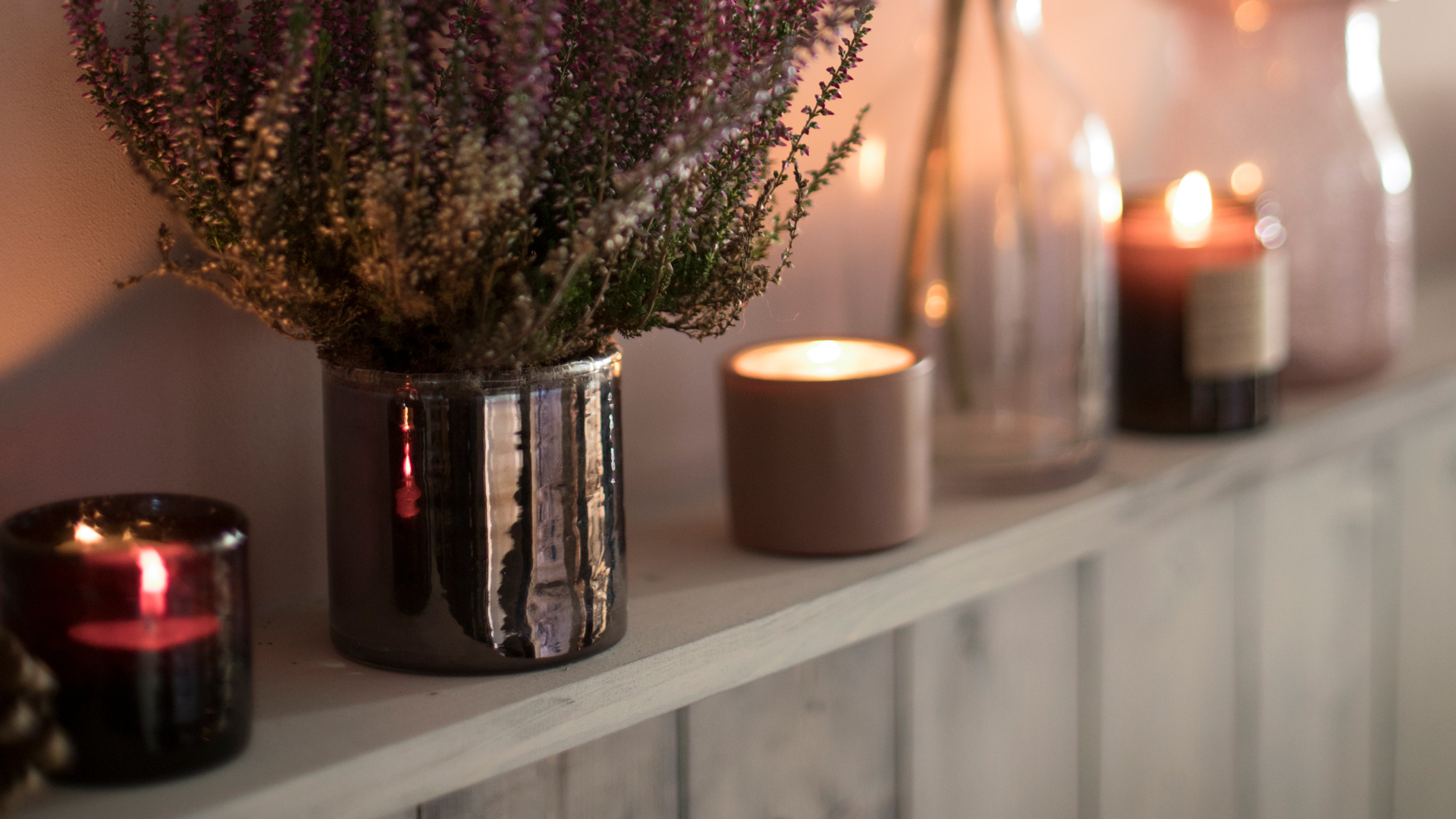
Image Credit: Future
Warm Lighting Can Transform a Space
Lighting is one of the easiest ways to make a home feel warmer.
Instead of relying entirely on bright overhead lighting, many people are using table lamps, floor lamps and smaller sources of light.
Warm-toned bulbs can create a softer atmosphere, particularly in bedrooms and living rooms.
Candles and decorative lighting can also contribute to the feeling of comfort.
The goal is not necessarily to make a room darker.
It is to make the lighting feel more intentional.
Texture Is Becoming More Important
Cozy interiors also rely heavily on texture.
Think knitted blankets, soft rugs, linen curtains, upholstered furniture and cushions.
Layering different materials can make a room feel visually warmer without requiring major renovations.
Texture also changes how a room feels physically.
A soft rug underfoot or a comfortable throw on a sofa can make everyday spaces more inviting.
This is one reason cozy design can work even in smaller homes.
You do not need a huge room to create a sense of warmth.
Personal Objects Are Making a Comeback
One of the biggest differences between a perfect interior and a cozy one is the role of personal belongings.
Perfect interiors often prioritize visual consistency.
Cozy interiors prioritize meaning.
A framed family photograph may not match the color palette.
An old chair may not fit the latest furniture trend.
A collection of books may take up an entire shelf.
But these objects tell stories.
They make a home feel connected to the people who live there.
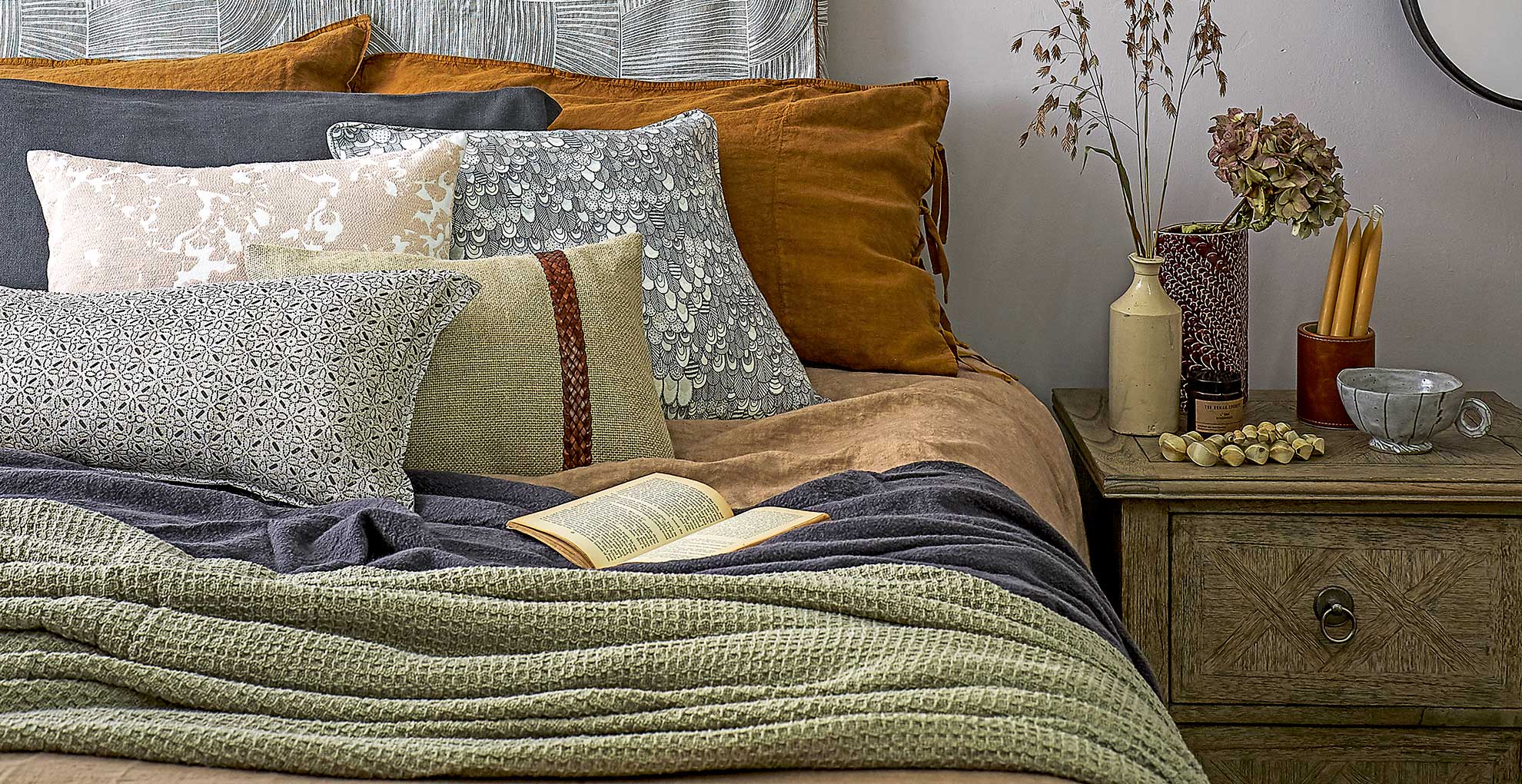
Image credit: Future | Dan Duchars
Comfort Is Becoming a Design Priority
Furniture is also becoming more focused on comfort.
For many people, a sofa is not simply something to photograph.
It is where they watch movies, read, talk with friends, eat snacks and occasionally fall asleep.
That changes how people choose furniture.
Instead of selecting something because it looks perfect, they may prioritize whether it is comfortable and practical.
The same applies to dining tables, beds, chairs and even kitchen layouts.
Good design has to work in real life.
The Cost of Living Also Matters
The shift toward cozy homes is not purely aesthetic.
Economic realities are influencing how people think about home design.
Buying an entirely new set of furniture every time a trend changes is expensive.
Instead, many homeowners are choosing to work with what they already have.
They may repaint a room, rearrange furniture, add new cushions or incorporate secondhand pieces.
This approach can make home design more affordable while also creating a more individual look.
Secondhand Pieces Add Character
Vintage and secondhand furniture can be particularly effective in creating cozy spaces.
Unlike mass-produced furniture, older pieces often have visible signs of age.
A wooden table may have small imperfections.
A vintage lamp may have a unique shape.
An old armchair may have a story behind it.
Those imperfections can add character.
The result is a home that feels collected over time rather than purchased all at once.
Cozy Does Not Mean Cluttered
There is an important distinction between cozy and cluttered.
A cozy home still needs organization.
The difference is that everything does not have to be hidden.
A room can contain books, artwork, blankets, plants and personal objects while still feeling balanced.
The key is creating visual harmony rather than removing every sign of life.
That gives people more freedom to design homes around their personalities.
People Are Moving Away From “Show Homes”
A growing number of homeowners are rejecting the idea that their house needs to look like a showroom.
A showroom is designed to sell a lifestyle.
A home is designed to support one.
Those are not necessarily the same thing.
People want spaces where they can relax without worrying about damaging furniture or making a mess.
They want kitchens where they can cook.
They want living rooms where children can play.
They want bedrooms that encourage rest.
That is ultimately what makes a house feel like a home.
Cozy Design Is About Emotional Comfort
Perhaps the biggest reason behind this trend is emotional.
People spend a significant amount of time at home, and the environment around them can influence how they feel.
A space that feels welcoming can make everyday routines more enjoyable.
A comfortable chair can encourage someone to read.
A warm kitchen can make cooking feel more social.
A peaceful bedroom can make winding down easier.
Interior design therefore becomes about more than appearance.
It becomes part of the way people experience their daily lives.
The New Luxury Is Feeling Comfortable
Luxury interiors have traditionally been associated with expensive materials, large spaces and designer furniture.
But the definition of luxury is becoming broader.
For many people, luxury now means having a home that feels peaceful.
It might mean having a comfortable sofa, a quiet reading corner, natural light or a kitchen designed around the way the family actually cooks.
In that sense, comfort itself has become a form of luxury.
How to Create a Cozy Home Without Starting Over
Creating a cozy home does not require a complete renovation.
Start with lighting.
Add a few warm lamps instead of relying entirely on overhead lights.
Then introduce texture through rugs, cushions and throws.
Bring in personal objects that mean something to you.
Move furniture around to create more comfortable conversation areas.
Add plants or flowers where appropriate.
Most importantly, remove the pressure to make everything match.
A home should reflect the people who live there.
Why Cozy Homes Are Here to Stay
The movement toward cozy interiors is part of a larger lifestyle shift.
People are increasingly interested in slowing down, creating meaningful routines and making everyday experiences more enjoyable.
That does not mean minimalism or perfectly styled interiors are disappearing.
Instead, people are becoming more selective about what they want from their spaces.
A beautiful home can still be organized and stylish.
It just does not have to look untouched.
HOLR has the latest lifestyle and home trends, and the growing preference for cozy interiors suggests that people are redefining what a beautiful home means.
The perfect home may look impressive in a photograph.
The cozy home feels good when you actually live in it.
And increasingly, that feeling seems to matter more.
FAQs
Why are cozy homes becoming popular?
Cozy homes prioritize comfort, warmth and personality rather than creating a perfectly styled or showroom-like interior.
What makes a home feel cozy?
Warm lighting, soft textures, comfortable furniture, personal belongings, natural elements and inviting layouts can all contribute to a cozy atmosphere.
Is cozy home design expensive?
Not necessarily. Rearranging existing furniture, changing lighting, adding textiles and incorporating secondhand pieces can create a cozy look without a major investment.
What are the biggest stories trending online today? Read the latest here
Published by HOLR Magazine
Image Credit: Future