


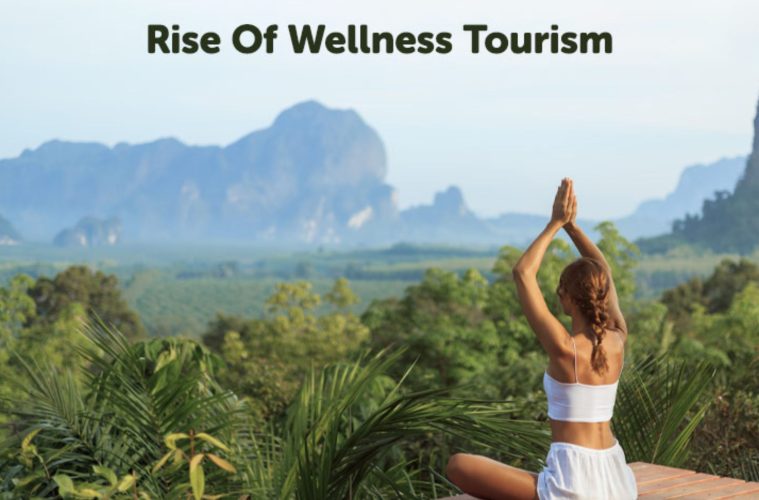
Travelers are increasingly choosing trips that help them rest, reset and reconnect, turning wellness vacations from a niche luxury into a major travel trend.
August 20, 2026: Vacations have traditionally been about escaping everyday life. But increasingly, travelers want more than sightseeing, nightlife or checking destinations off a bucket list.
They want to come home feeling better.
That shift has helped wellness vacations become one of the most interesting developments in modern travel. Instead of spending a week rushing between attractions, travelers may choose a yoga retreat, spa resort, nature escape, sleep-focused stay or quiet destination designed around rest.
And the trend is no longer limited to traditional luxury retreats.
The Global Wellness Institute estimates that wellness tourism spending reached $893.9 billion in 2024, while wellness trips accounted for 8.3% of all tourism trips and 17.6% of tourism spending.
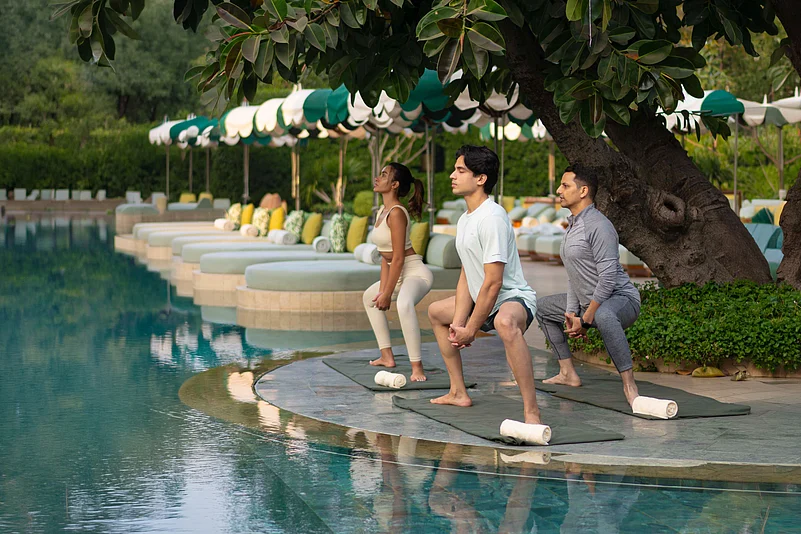
Image Credit: outlooktraveller.com
What Is a Wellness Vacation?
A wellness vacation is a trip where maintaining, improving or restoring wellbeing is an important part of the experience.
That can mean very different things depending on the traveler.
For one person, it may be a week at a destination spa.
For another, it could be a quiet cabin surrounded by nature.
Someone else might choose a yoga retreat, a hot-springs getaway, a sleep-focused hotel or a destination offering healthy food and outdoor activities.
The Global Wellness Institute describes wellness tourism as travel associated with maintaining or enhancing personal wellbeing. It also distinguishes between travelers who choose a trip primarily for wellness and those who add wellness experiences to a traditional vacation.
That distinction helps explain why wellness travel has become so mainstream.
You do not need to book a dedicated retreat to participate in it.
Travelers Are Looking for Rest, Not Just Recreation
One of the biggest changes in travel is the growing value placed on rest.
Many people already spend their daily lives surrounded by notifications, work messages, social media and packed schedules.
A vacation that adds another demanding itinerary can sometimes feel like another job.
Wellness travel offers an alternative.
Instead of asking, “How much can I see?” travelers may be asking, “How rested do I want to feel when I return?”
That small change in mindset can completely transform a vacation.
Stress Is Changing the Way People Travel
Modern travel itself can be exhausting.
Airports, long flights, traffic, packed attractions and constant planning can leave travelers feeling like they need another vacation after returning home.
Wellness-focused trips respond to that problem by slowing things down.
A two-hour massage, a quiet morning walk or an afternoon spent by a pool may become the main event rather than something squeezed between sightseeing activities.
In 2026, the Global Wellness Institute identifies “cocooning wellness,” “nervous system reset” and “deep rest” among its key wellness tourism trends.
That reflects a broader desire for travel that feels restorative rather than exhausting.
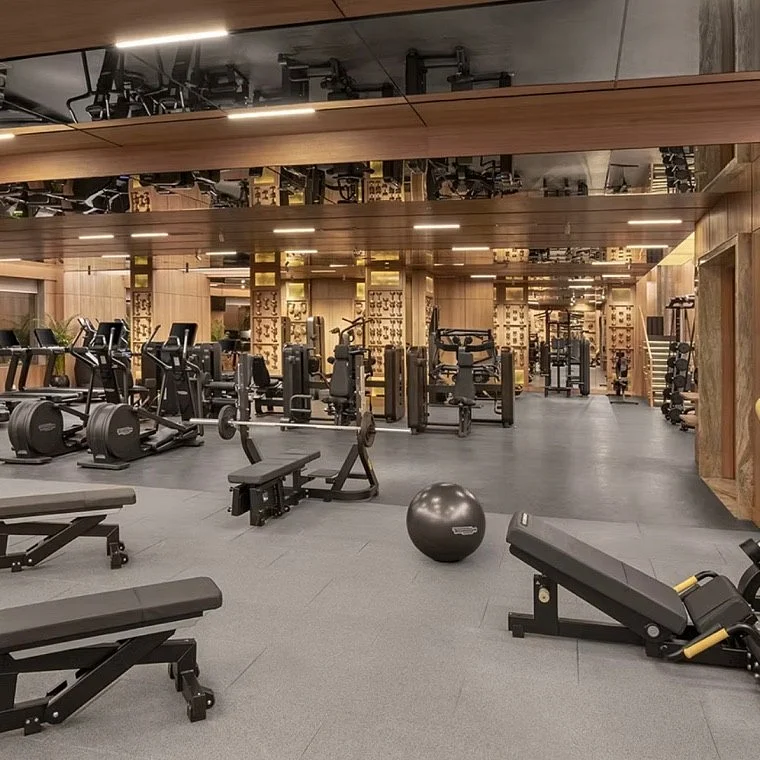
Image Credit: outlooktraveller.com
The Rise of the Nervous System Reset
The phrase “nervous system reset” has become increasingly common in wellness culture.
While it is often used loosely in lifestyle marketing, the underlying idea is straightforward: people want experiences that help them slow down and recover from constant stimulation.
That might mean spending time in nature, reducing screen use, sleeping more, practicing mindfulness or simply having fewer demands on their schedule.
Wellness destinations are responding by creating experiences around these needs.
The goal is not necessarily to fill every hour.
Sometimes the goal is to create enough space for nothing to happen.
Sleep Is Becoming a Travel Experience
Sleep is another major part of the wellness vacation trend.
Hotels and resorts are increasingly experimenting with sleep-focused offerings, including sleep consultations, specialized environments, guided rituals and technology designed around rest. The Global Wellness Institute has identified “deep rest” as a major wellness travel direction for 2026.
This makes sense in a culture where many people struggle to get enough quality sleep.
A vacation can provide an opportunity to step away from late-night work, household responsibilities and everyday distractions.
For some travelers, the luxury is not an extravagant activity.
It is simply getting a genuinely good night’s sleep.
Nature Is Becoming Part of Wellness
Nature has always been associated with relaxation, but it is becoming an increasingly important part of wellness travel.
Travelers may choose destinations near forests, mountains, beaches, lakes or hot springs because these environments offer a natural break from urban life.
Even activities such as hiking, swimming and stargazing can become wellness experiences.
Interestingly, stargazing is emerging as a new wellness travel trend, with some destinations combining nighttime sky experiences with mindfulness and reflection.
The attraction is not necessarily about fitness.
It is about slowing down and experiencing something that feels bigger than everyday routines.
Hot Springs Are Having a Moment
Hot-spring travel is another area gaining attention.
The Global Wellness Institute’s 2026 trends highlight multi-day hot-spring-based wellness retreats, with shorter two- to four-night stays becoming more appealing for travelers looking for regular wellness breaks rather than one major annual retreat.
This reflects another important change.
Wellness travel does not always need to be a two-week escape.
A short break can still provide the opportunity to disconnect.
Shorter Wellness Trips Are Becoming More Attractive
Not everyone has the time or budget for an extended retreat.
That is why shorter wellness getaways are becoming increasingly appealing.
A long weekend at a spa resort, a nearby nature retreat or a few nights at a hot-spring destination can offer a sense of escape without requiring extensive planning.
The Global Wellness Institute’s 2026 research specifically highlights closer-to-home “cocooning” trips as travelers look for simpler restorative experiences.
For busy travelers, that flexibility can make wellness vacations feel much more achievable.
Wellness Is No Longer Just About Spas
The image of wellness travel has expanded considerably.
A traditional wellness vacation might once have meant massages, facials and yoga classes.
Today, the category is much broader.
Travelers can find destinations focused on:
- Sleep and recovery
- Nutrition
- Fitness
- Meditation
- Nature
- Hot springs
- Digital detox
- Longevity
- Mindfulness
- Outdoor adventure
- Mental relaxation
- Personal reflection
This variety means travelers can choose experiences that actually match their interests.
Wellness Travel Is Becoming More Personal
There is also less emphasis on a single definition of wellness.
Someone might consider a luxury spa the ultimate form of relaxation.
Another person may find more value in hiking through a national park.
Someone else might want a quiet hotel room, good food and an uninterrupted afternoon with a book.
The modern wellness traveler is therefore not necessarily looking for a standardized program.
They are looking for something that makes them feel better.
Millennials and Gen Z Are Influencing the Trend
Younger travelers have also helped push wellness into mainstream travel.
Wellness is increasingly part of how younger consumers think about discretionary spending, from fitness and skincare to nutrition and experiences.
Recent travel research highlighted by EHL found that 44% of high-income travelers surveyed had taken a wellness trip in 2025, while 58% had one planned for 2026.
That suggests wellness is becoming integrated into travel planning rather than being treated as a rare indulgence.
Wellness Vacations Are Becoming More Accessible
Wellness travel is still associated with luxury resorts, but the category is broadening.
A wellness vacation can involve a five-star retreat, but it can also mean a simple road trip to a quiet destination.
A traveler does not necessarily need expensive treatments.
A peaceful location, healthy meals, outdoor time and enough sleep can form the foundation of a restorative trip.
This makes the concept much more approachable.
The Appeal of Digital Detox
Phones have made it easier to stay connected while traveling.
Unfortunately, that can also make it harder to feel like you have actually left home.
Digital-detox vacations respond to this problem by encouraging travelers to reduce screen time.
Some people may choose to switch off notifications.
Others may leave their phones in their rooms while exploring.
Even a few hours without constant digital stimulation can make a vacation feel noticeably different.
The goal is not necessarily to reject technology.
It is to create a temporary boundary around it.
Wellness Travel Can Also Be Social
Wellness vacations are not always solitary experiences.
Group yoga retreats, hiking trips, cooking workshops and wellness-focused tours can help travelers meet people with similar interests.
This is particularly appealing for people who want meaningful experiences rather than traditional tourist activities.
A shared wellness experience can create connections that last beyond the trip.
Why People Are Willing to Spend More on Wellness
Wellness travelers often spend more than the average traveler.
According to the Global Wellness Institute, wellness trips represented 17.6% of all tourism spending in 2024 despite accounting for 8.3% of trips.
That difference reflects the fact that wellness travelers may spend more on specialized accommodation, activities, food and services.
But it also says something about changing priorities.
People are increasingly willing to spend money on experiences they believe contribute to their quality of life.
The New Luxury Is Feeling Rested
Luxury travel has traditionally been associated with large suites, expensive restaurants and exclusive experiences.
Wellness travel is creating a different definition of luxury.
Privacy can be luxury.
Silence can be luxury.
Time can be luxury.
Sleep can be luxury.
The Global Wellness Institute’s 2026 trends even identify “the luxury of privacy” as an emerging direction in wellness tourism.
That is especially meaningful in an era when people are constantly connected and surrounded by information.
Wellness Vacations Are Changing the Meaning of Travel
Travel has always offered an opportunity to escape routine.
Wellness vacations take that idea a step further.
Instead of simply leaving everyday life behind, travelers are intentionally choosing experiences that help them return feeling refreshed.
That might mean learning how to slow down.
It might mean spending more time outdoors.
It might mean sleeping properly.
Or it could simply mean having a few days without an overflowing schedule.
HOLR has the latest lifestyle and travel trends, and the growing popularity of wellness vacations reflects a larger change in how people think about time away.
Travel is no longer only about seeing more.
Increasingly, it is about feeling better.
And for many modern travelers, that may be the most valuable souvenir they can bring home.
FAQs
What is a wellness vacation?
A wellness vacation is a trip focused partly or primarily on maintaining, improving or restoring personal wellbeing through experiences such as relaxation, fitness, nature, nutrition, mindfulness or sleep.
Why are wellness vacations becoming popular?
Stress, digital overload, changing attitudes toward self-care and growing interest in health and wellbeing are encouraging travelers to choose more restorative experiences.
What are popular wellness vacation activities?
Popular options include spa treatments, yoga, meditation, hiking, healthy dining, hot springs, sleep programs, nature activities and digital detox experiences.
What are the biggest stories trending online today? Read the latest here
Published by HOLR Magazine
Image Credit: sotc.in