


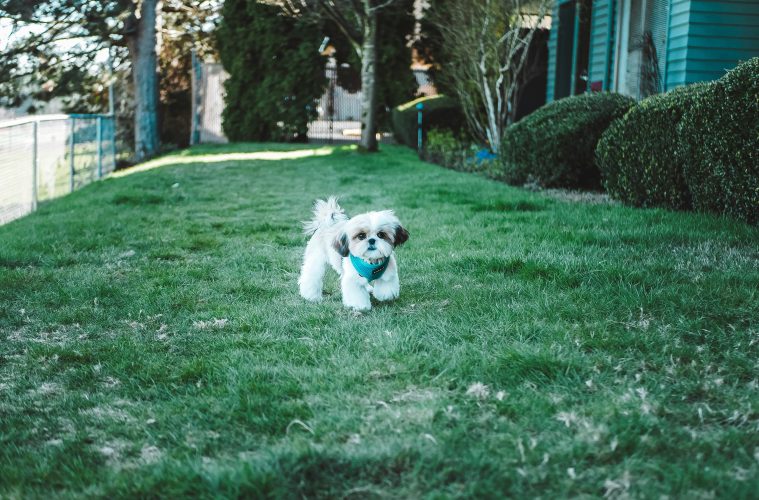
A dog-friendly yard has to manage pressure that ordinary grass rarely tolerates well. Daily running, toileting, turning, and scratching can thin roots and expose soil. Once that happens, rain carries dirt onto paws, patios, and flooring. Backyard pet turf can reduce that cycle by protecting high-use areas, improving surface stability, and making cleanup more predictable for households that share outdoor space with active pets.
A Cleaner Yard
Many households consider backyard turf for dogs after seeing repeated wear near doors, gates, and fence paths. Those areas collect paw pressure, urine, water, and loose soil in a tight pattern. A suitable turf surface helps keep feet out of mud, supports drainage through the yard base, and reduces reliance on fragile grass recovery for waste removal.
Why Grass Fails
Grass depends on healthy roots, steady light, oxygen, and time between stress events. Dogs often remove that recovery window through sprinting, digging, circling, and repeated bathroom habits. Gates and narrow side yards are usually the first to suffer because animals follow fixed routes. After roots weaken, bare soil spreads quickly. Rain then softens the exposed ground, turning simple yard use into indoor cleanup.
Lower Weekly Chores
Pet turf changes the maintenance burden in practical ways. Instead of reseeding the same patch, filling holes, or replacing sod, owners can focus on rinsing, brushing, and edge checks. High-traffic zones remain covered, so loose dirt moves less easily. The yard still needs attention, but the work becomes more routine and less tied to sudden damage after storms or play.
Drainage Matters
Drainage determines whether a pet surface stays sanitary or becomes a moisture trap. Water should pass through the turf and into the prepared base below. Urine needs the same path, since trapped liquid can feed odor-causing bacteria. Open, permeable materials dry faster after rain. Quicker drying can also reduce slippery spots, which matters for older dogs and excited runners.
Root Protection
Some turf systems protect soil while allowing living grass to grow through the surface. That design shields roots from direct claw impact and repeated paw compression. The visible blades may still thin during heavy activity, but protected root crowns often recover better. For families that prefer a more natural yard feel, this option can add support without covering every green area.
Smart Placement
Full-yard coverage is rarely necessary. The most useful projects start where damage repeats. Common zones include kennel exits, gate openings, side paths, fence runs, and play corridors. A measured approach keeps costs controlled and makes performance easier to judge. Covering one problem section first can show whether drainage, footing, and cleaning routines match the household’s daily pet care needs.
Pet Comfort
Dogs notice texture, heat, scent, and traction underfoot. The right turf surface should allow normal movement, including sniffing, trotting, resting, and turning without slipping. Soft but stable footing is especially helpful for senior dogs, large breeds, and pets with joint stiffness. Good airflow and access to outdoor scents also help the area feel familiar rather than artificial or restrictive.
Odor Control
Odor usually develops when urine, moisture, fecal residue, and limited air movement remain in one place. Pet turf helps only when liquid can drain, and the surface can be rinsed clean. Solid waste should be removed promptly. Frequent bathroom zones may need extra water after use. Shaded corners often dry more slowly, so those spots deserve closer attention during humid weather.
Installation Process
A stable installation begins with ground preparation. Soil should be leveled, debris removed, and low areas corrected before turf is placed. Secure edges prevent lifting during quick turns or playful stops. Anchors also help keep narrow paths in position. Some owners install in stages, starting with the worst section first. That approach makes adjustments easier before larger areas are covered.
Cost Planning
Cost depends on size, material type, roll dimensions, and preparation needs. Small sections can solve isolated muddy patches, while longer rolls may suit dog runs or fence routes. The value often appears over time through fewer sod repairs, less soil tracked indoors, and reduced patchwork. Measuring actual wear areas helps prevent excess buying and keeps the project focused.
Maintenance Routine
A reliable routine keeps the surface cleaner and longer-lasting. Remove solid waste daily, rinse frequent bathroom areas, and brush flattened fibers when needed. Check anchors after storms, digging attempts, or intense play. Nearby grass should be trimmed so the edges stay visible. Seasonal inspections can reveal lifted corners, trapped leaves, compacted soil, or drainage changes before they become more extensive.
Conclusion
Backyard pet turf can make a dog’s outdoor area cleaner, safer underfoot, and easier to maintain. Its strongest use is in high-pressure zones such as gates, runs, paths, and play spaces. With sound drainage, firm anchoring, and simple upkeep, the yard needs fewer repairs and creates less indoor mess. Pets still get room for daily activity, while families gain a steadier, more manageable outdoor routine.
Published by HOLR Magazine.