


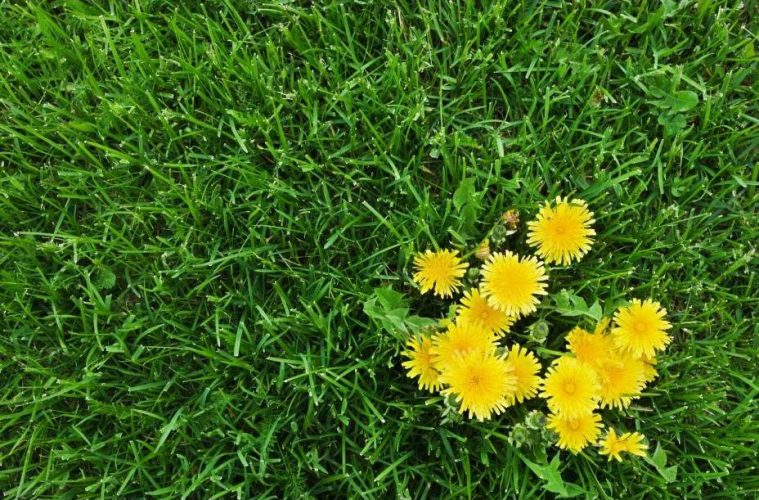
From dandelions and crabgrass to creeping Charlie and nutsedge, learn how to recognize common lawn weeds and use the right strategies to control them before they take over.

Why Lawn Weeds Keep Coming Back

August 14, 2026 – A lush lawn can quickly lose its neat appearance when weeds begin appearing between the grass blades. But weeds are more than a cosmetic problem. They compete with desirable turf for water, nutrients, sunlight, and growing space, and a serious infestation can weaken the lawn over time.

The first step toward controlling them is identifying what you’re dealing with. Lawn weeds generally fall into three groups: broadleaf weeds, grassy weeds, and sedges. Each group has different characteristics and may require a different approach.

More importantly, weeds can sometimes point to an underlying lawn-care problem. Compacted soil, poor drainage, improper mowing, overwatering, underwatering, and inadequate fertilization can all create conditions where weeds have an easier time establishing themselves.

15 Common Lawn Weeds You Should Know (With Easy Identification)

Credit: Shutterstock

Broadleaf, Grassy, or Sedge? Start Here

Broadleaf weeds are generally the easiest to distinguish because their leaves look noticeably different from grass blades. Dandelions, clover, and plantain are common examples, and they often become established where turf is thin or poorly nourished.

Grassy weeds are more difficult to spot because they resemble the lawn itself. Crabgrass and quackgrass are two common examples. They typically have narrow leaves and can blend into surrounding turf until they become established.

Sedges have another distinctive characteristic: their stems are typically triangular rather than round. Yellow nutsedge is a common example and often appears in wet or poorly drained areas.

Identifying the category before choosing a treatment can help prevent you from using an ineffective control method.

1. Chickweed

Chickweed is a low-growing broadleaf weed that tends to appear in moist, shaded areas, particularly where soil is compacted.

Look for its small oval leaves and tiny white flowers. Because it can spread across the surface of the lawn, a few plants can eventually become a noticeable patch.

Improving soil aeration and avoiding unnecessarily frequent watering can make the lawn less welcoming to chickweed. Young plants can also be removed manually, while a suitable pre-emergence treatment applied at the appropriate time can help prevent new plants from establishing.

Common chickweed | CALS

2. Crabgrass

Crabgrass is one of the more recognizable grassy weeds once it begins spreading. It is an annual weed that can expand quickly from seed, particularly in thin lawns.

It tends to thrive when turf is cut very short, isn’t receiving adequate nutrition, or is watered frequently with small amounts of water.

One of the most effective defenses is a dense, healthy lawn. Maintaining appropriate mowing practices and watering deeply rather than frequently can help desirable grass compete more effectively.

Pre-emergence herbicides can also be used in spring, before crabgrass seeds germinate, when the product is appropriate for the lawn and used according to its label.

How to Control Crabgrass | Yard and Garden

3. Dandelion

Dandelions are easy to recognize thanks to their bright yellow flowers and distinctive rosette of leaves.

Although they may look harmless, their ability to produce large numbers of wind-dispersed seeds allows them to spread quickly. They are particularly common in thin areas of turf.

For small infestations, digging or pulling young dandelions out before they produce seeds can be effective. The entire root should be removed because leaving part of the root behind can allow the plant to return.

Where necessary, a selective broadleaf weed treatment can be used according to its label.

Dandelions are Dandy…Sometimes - by Ethne Clarke

4. Ground Ivy or Creeping Charlie

Ground ivy, commonly called creeping Charlie, is a spreading broadleaf perennial that can be particularly persistent.

Its rounded, scalloped leaves and square stems help distinguish it from many other lawn weeds. It prefers damp, shaded conditions, so simply removing visible plants may not solve the underlying problem.

Improving drainage and reducing unnecessary watering can make the environment less favorable. Young plants can be pulled by hand, while heavier infestations may require an appropriate post-emergence broadleaf treatment.

Dr. Dirt: Creeping Charlie covers ground fast

5. Plantain

Plantain is another broadleaf perennial that often signals difficult growing conditions for turf.

Its leaves form a low rosette and can be oval or lance-shaped. It commonly appears where soil is compacted or drainage is poor.

Improving the soil and maintaining the appropriate mowing height can help strengthen the surrounding grass. Individual plants can also be removed manually, while selective broadleaf herbicides may be considered when infestations are more extensive.

Plantain Weed

6. White Clover

White clover is a low-growing perennial with rounded leaves that typically appear in groups of three. Small white flowers emerge above the foliage, making established patches relatively easy to recognize.

It can spread through creeping stems and often becomes noticeable in lawns where turf is thin or soil conditions favor its growth.

Maintaining a dense lawn is one of the best long-term defenses. Regular mowing at the appropriate height, proper fertilization, and correcting bare patches can make it more difficult for clover to establish. Small patches can also be removed by hand, while a selective broadleaf herbicide may be considered for larger infestations.

What Is White Clover? | Summit Lawns Blog

7. Nutsedge

Nutsedge can be particularly frustrating because it looks like grass at first glance but actually belongs to the sedge family.

Yellow nutsedge is commonly identified by its upright, yellow-green leaves and rapid growth. It frequently appears in areas where soil stays consistently moist or drainage is poor.

Pulling visible plants may provide temporary relief, but nutsedge can return from underground structures if they aren’t completely removed. Improving drainage and avoiding excessive irrigation can therefore be an important part of long-term control.

For persistent infestations, a herbicide specifically labeled for nutsedge may be necessary. Always follow the product label carefully, particularly because treatments suitable for sedges can differ from those used for ordinary broadleaf weeds.

Controlling Yellow Nutsedge in Agronomic Crops (An Integrated Approach)

8. Quackgrass

Quackgrass is a perennial grassy weed that can be especially difficult to eliminate once it becomes established.

Its coarse, blue-green leaves can resemble turfgrass, allowing it to blend into the lawn. It spreads through underground stems called rhizomes, which means that simply pulling visible shoots may not eliminate the entire plant.

The best approach depends on the size and severity of the infestation. Individual plants can sometimes be carefully dug out, making sure as much of the underground root system as possible is removed.

For larger infestations, homeowners may need to consider more extensive lawn renovation rather than repeatedly treating individual plants.

Quackgrass | University of Maryland Extension

How to Prevent Weeds Before They Appear

The easiest weed to control is often the one that never gets established.

A thick, healthy lawn naturally competes with weeds for sunlight, water, nutrients, and space. Proper mowing is therefore one of the simplest preventive measures. Cutting grass too short can weaken the turf and allow sunlight to reach the soil, creating favorable conditions for weed seeds to germinate.

Watering practices matter as well. Deep, appropriate watering encourages stronger root systems, while constantly wet conditions can favor certain weeds and increase the risk of lawn problems.

Aerating compacted soil, improving drainage, fertilizing according to the needs of the particular grass, and reseeding bare areas can also help create conditions that favor turf rather than weeds.

When to Pull Weeds and When to Treat Them

Hand-pulling can be surprisingly effective when an infestation is small.

It’s particularly useful for weeds such as dandelions and individual broadleaf plants, provided you remove as much of the root as possible. Pulling young weeds before they flower and produce seeds can also help reduce future spread.

Larger infestations may require herbicides, but choosing the correct product is important. A treatment designed for broadleaf weeds won’t necessarily control grassy weeds, while a product intended for sedges may not be appropriate for other plants.

Always read the label before applying any herbicide and check that the product is suitable for your grass type, the specific weed, and the intended application area.

A Healthy Lawn Is Your Best Defense

Weed control shouldn’t be viewed only as a battle against individual plants.

If the same weeds keep returning, the lawn may be signaling that something needs attention. Thin turf, compacted soil, poor drainage, incorrect mowing, or unsuitable watering habits can all give weeds an opportunity to take hold.

Addressing those underlying conditions is usually more effective in the long term than repeatedly removing whatever happens to appear above the soil.

A lawn that is appropriately watered, fertilized, mowed, and maintained leaves fewer opportunities for weeds to establish themselves.

Importance of Having a Healthy Lawn | Lombardos Lawn Care

Final Thoughts

Common lawn weeds can be frustrating, but identifying them correctly makes controlling them much easier.

Dandelions, chickweed, clover, plantain, and creeping Charlie are broadleaf weeds, while crabgrass and quackgrass belong to the grassy weed category. Nutsedge requires a different approach because it is a sedge rather than a true grass.

The most effective strategy combines identification, timely removal, appropriate treatment, and good lawn care. Keeping turf dense and healthy can prevent many weeds from gaining a foothold in the first place.

When chemical control is necessary, choose a product specifically suited to the weed and lawn, and always follow its label instructions.

FAQs

What is the most common lawn weed?

Common weeds vary by region and lawn type, but dandelions, crabgrass, clover, chickweed, plantain, and creeping Charlie are frequently encountered.

How can I identify a weed in my lawn?

Look at the plant’s leaf shape, growth pattern, flowers, stem structure, and growing conditions. Determining whether it is a broadleaf weed, grassy weed, or sedge is a useful first step.

Is it better to pull weeds or use herbicide?

For small infestations, hand-pulling can be effective. Larger or persistent infestations may require an appropriate herbicide, provided it is safe for the particular lawn and used according to its label.

How can I prevent weeds from taking over my lawn?

Maintain dense, healthy turf through appropriate mowing, watering, fertilization, aeration, and reseeding of bare areas. Correcting drainage and soil-compaction problems can also help.

Why do weeds keep coming back after I remove them?

Some weeds spread through underground roots or stems, while others produce large numbers of seeds. Removing only the visible portion may therefore allow the plant to return.

What are the biggest stories trending online today? Read the latest here

Published by HOLR Magazine

Image Credit: iStock