


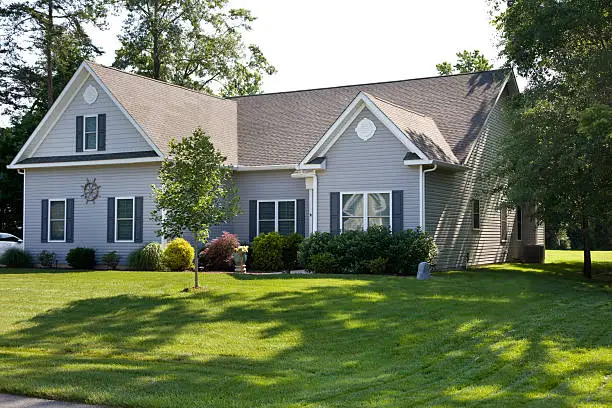
The exterior of a home creates the first impression for every guest and neighbor. Modern siding options offer more than just protection from the elements – they define the character of the entire property. Selecting the right materials transforms a dated facade into a contemporary masterpiece.
Staying current with exterior trends involves looking at color, texture, and material combinations. Today’s chic homeowners are moving away from traditional styles to embrace more sophisticated aesthetics. These updates increase property value and provide a sense of pride in homeownership.
Shifting Away From High Contrast
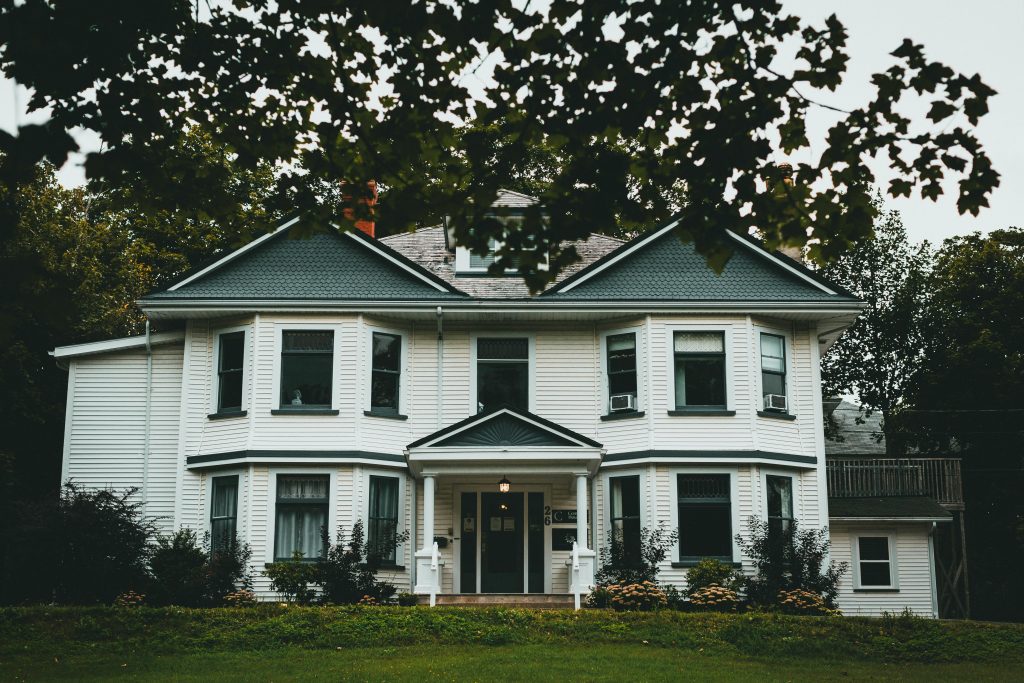
The stark white and black exteriors that dominated recent years are slowly losing their popularity in many neighborhoods. Homeowners are seeking ways to make their properties feel more inviting and integrated with their surroundings. This shift favors softer transitions and more nuanced color schemes that feel timeless.
Dark trim against a light background used to be the standard for modern farmhouses. Designers now suggest using colors that sit closer together on the color wheel. This creates a cohesive look that feels intentional without being overly aggressive or distracting.
Muted tones provide a sophisticated backdrop for other architectural features like stone or wood accents. Using subtle variations of the same hue adds depth without creating visual clutter.
Modern Siding Updates
Planning an exterior renovation requires careful timing to get the best results from contractors. Many people find that replacing them before summer allows for a smoother project timeline before the peak construction season. Starting early avoids the intense heat and the typical backlog of projects that occur in July.
Materials like fiber cement and engineered wood offer the durability needed for changing seasons. These products mimic the look of natural wood without the common issues like rot or insect damage. They provide a high-end finish that lasts for many decades.
Maintenance requirements are a major factor in modern material selection for busy families. Homeowners prefer surfaces that stay clean with minimal effort over the years.
The Rise Of Warm Neutrals
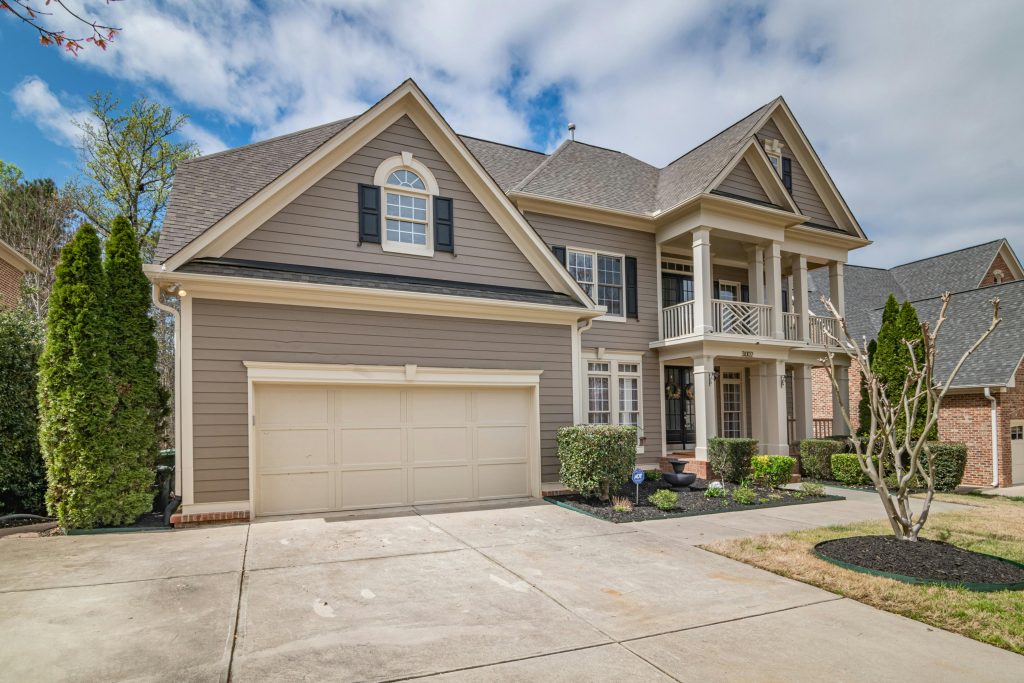
Current design directions favor a warmer approach to the neutral palette for residential properties. Greige and tan shades are becoming the preferred choices for those who want a modern yet timeless look.
These colors bridge the gap between cool grays and warm browns perfectly. A leading exterior design site suggests pairing these warmer neutral siding colors with organic textures and softer accents. This combination creates a balanced feel that avoids the coldness of high-contrast palettes.
It works well on a variety of architectural styles from ranch to colonial. Soft accents like copper gutters or natural wood doors complement these warm tones beautifully. The result is a home that feels grounded and connected to its environment.
Nature-Inspired Color Palettes
Green and blue hues are gaining traction as homeowners look to the natural world for inspiration. These colors evoke a sense of calm and stability for the household. They work well in neighborhoods with plenty of trees and greenery.
One industry blog recently highlighted that siding trends are shifting toward nature-inspired tones that balance personality with long-term curb appeal. Selecting a color that reflects the local environment makes the structure feel like a part of the land. It provides a unique identity without clashing with the neighbors.
Deep forest greens and muted slate blues provide a rich look for any size of home. These shades hide dirt well and maintain their beauty.
Combining Materials For Visual Depth
Single-material exteriors are becoming less common in high-end home design today. Mixing different products adds architectural interest and breaks up large wall surfaces. This technique highlights specific features like entryways or gables with ease.
Industry trends show that mixed-material exteriors remain one of the strongest design movements of the current year. Combining siding with stone or metal creates a layered look that feels custom-built. It allows for a play of shadows and light across the facade.
Using stone veneer on the lower third of a house provides a solid visual foundation. Transitions between materials should be handled with professional trim work to keep the look clean.
Modern Horizontal And Vertical Mixes
The orientation of siding planks affects the perceived height and width of a building. Horizontal lap siding remains a classic choice for many homeowners. Vertical board and batten styles add a sense of height and modern flair.
Mixing these orientations is a popular way to create visual zones on the exterior.
- Vertical siding works well on gables to draw the eye upward.
- Horizontal planks provide a traditional base for the main body of the home.
- Diagonal patterns can be used sparingly for a bold, artistic statement.
These choices allow for creative expression without requiring a massive budget for materials. Small changes in how the material is installed make a big difference in the final look.
Updating the exterior of a home is a rewarding project that transforms its entire presence. Modern trends focus on warmth, texture, and a connection to the natural world. These siding choices offer a blend of beauty and durability for the savvy homeowner.
Taking the time to research colors and materials leads to a more satisfying result. A well-designed facade stands the test of time and improves the neighborhood. With a thoughtful approach, any home can achieve a modern and chic look.
Published by HOLR Magazine.