



The right hair-washing routine depends on your scalp, hair texture, oil production, lifestyle, and the products you use—not a universal number of days.
August 22, 2026: There is a surprisingly simple question behind many hair-care routines: How often should you actually wash your hair?
Some people shampoo every morning and cannot imagine going a day without it. Others wash once or twice a week because frequent washing leaves their hair dry, frizzy, or difficult to manage. Then there are people who rely on dry shampoo between washes and wonder whether they are helping their hair or simply covering up a problem.
The truth is that there is no single schedule that works for everyone.
How often you should wash your hair depends largely on your scalp and hair type. The American Academy of Dermatology recommends washing based on how quickly your hair becomes dirty or oily, while factors such as hair texture, thickness, and styling habits can also affect your routine.
So, should you wash your hair every day, every few days, or only once a week? The answer starts with understanding what your scalp actually needs.

Image Credit: clevelandclinic
Why Does Your Hair Need to Be Washed?
Your scalp naturally produces an oil called sebum. This oil helps protect the scalp and hair, but too much of it can leave the roots looking greasy and can contribute to buildup.
Your hair and scalp can also collect sweat, dead skin cells, styling products, and environmental debris throughout the week.
Regular shampooing helps remove this buildup. Dermatologists note that washing the scalp helps remove excess oil, dead skin, and microorganisms that can contribute to dandruff and scalp irritation.
At the same time, washing too frequently can be a problem for some hair types. Shampooing repeatedly can remove oils that help keep the hair conditioned, potentially leaving dry or fragile hair more prone to breakage.
That is why the goal is not simply to wash your hair as often as possible.
It is to find the frequency that keeps your scalp comfortable and your hair in good condition.
How Often Should You Wash Your Hair?
For someone with straight hair and an oily scalp, daily or every-other-day washing may be appropriate. People with dry, thick, curly, or textured hair may need much less frequent shampooing. The American Academy of Dermatology advises people to wash according to their hair’s needs, with dry, textured, curly, or thick hair often requiring less frequent washing.
A useful starting point is
- Fine or straight hair: Every one to two days may work well if the scalp becomes oily quickly.
- Normal or medium-textured hair: Every few days may be enough.
- Thick or coarse hair: Once a week or when needed may be appropriate.
- Curly or tightly coiled hair: Less frequent washing is often better because these textures can be more prone to dryness.
- Very oily scalp: More frequent washing may be necessary.
- Dry or damaged hair: Washing less often can help prevent additional dryness.
These are starting points, not strict rules.
Your scalp is the better guide.
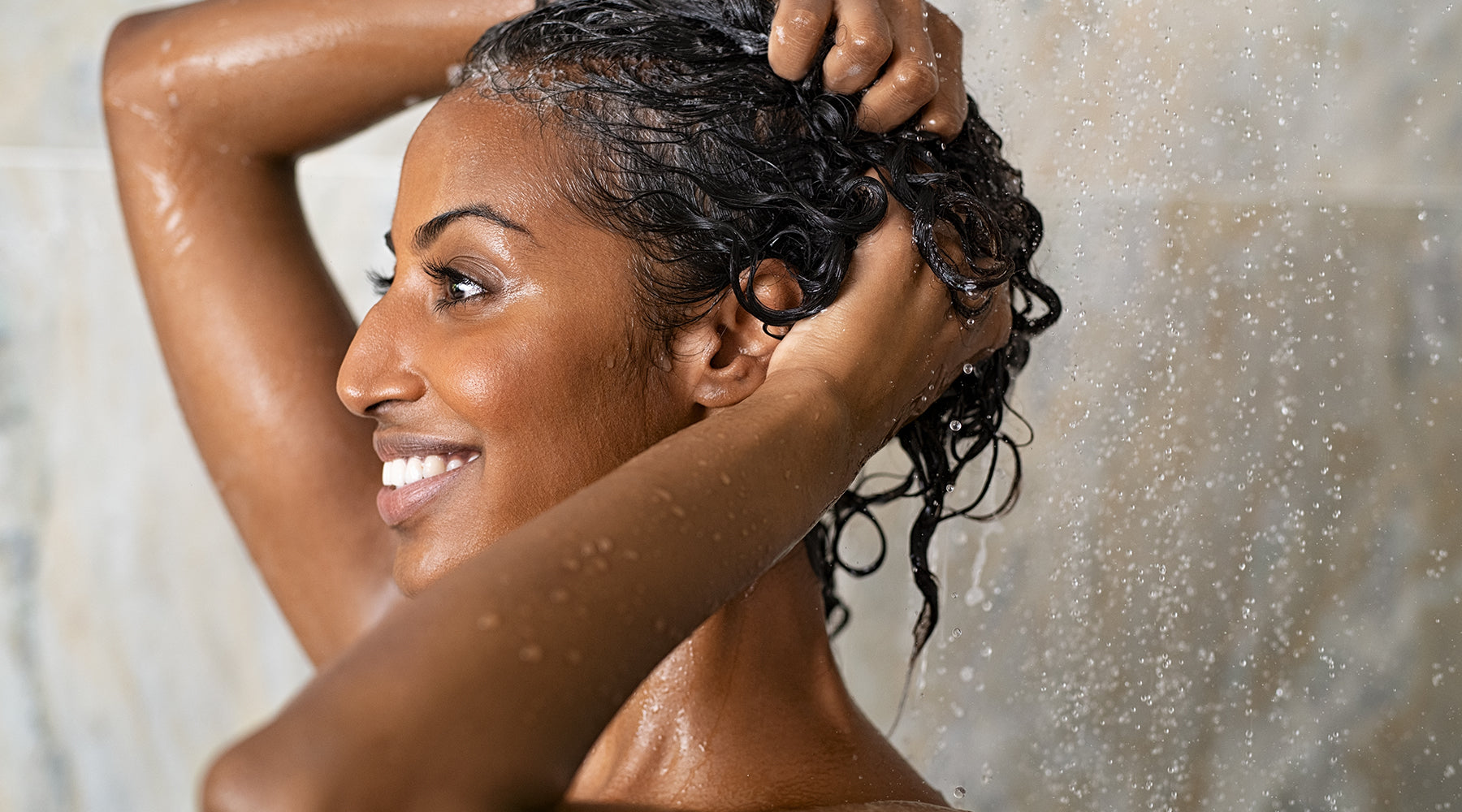
Image Credit: Elixir
How Often Should You Wash Oily Hair?
If your roots look greasy shortly after washing, you may need to shampoo more frequently.
People with fine, straight hair often notice oil more quickly because sebum can travel down the hair shaft relatively easily. An oily scalp may therefore benefit from washing every day or every other day.
You should not feel that you have to “train” your hair to stay clean for longer if your scalp is genuinely oily.
If your scalp feels comfortable and your hair looks fresh after daily washing, there is no universal rule saying you must stop.
However, if frequent washing leaves the lengths dry or brittle, focus shampoo on the scalp rather than repeatedly lathering the entire length of your hair.
How Often Should You Wash Dry Hair?
Dry hair generally benefits from a gentler approach.
If your hair feels rough, brittle, or overly dry after shampooing, washing less frequently may help preserve some of its natural oils.
This is particularly relevant for thick, coarse, curly, and tightly coiled hair, where natural oils may have a harder time traveling from the scalp down to the ends. Cleveland Clinic notes that curly and coarse hair tends to be drier for this reason.
The American Academy of Dermatology recommends washing dry, curly, thick, or textured hair when needed rather than following a daily schedule.
For these hair types, conditioning is particularly important.
How Often Should You Wash Curly or Coily Hair?
Curly and coily hair often requires a different approach from straight hair.
The shape of the strands can make it more difficult for natural oils to move from the scalp toward the ends. As a result, frequent shampooing can leave the lengths feeling dry.
The American Academy of Dermatology says people with curly or tightly coiled hair should wash when needed and notes that thick, curly hair does not necessarily need weekly washing; however, it recommends washing at least every two to three weeks for scalp and hair health.
That does not mean everyone with curls should follow the same schedule. Product buildup, scalp oiliness, exercise, climate, and individual hair needs still matter.
The important distinction is that curly hair should not automatically be treated like straight, oily hair.

Image Credit: Virtue Labs
What About Fine Hair?
Fine hair can be tricky because it may become oily quickly while still being vulnerable to damage.
If your hair is fine and your scalp becomes greasy within a day, washing every day or every other day may be reasonable. Cleveland Clinic notes that finer hair may need washing every one to two days, depending on oil production.
The key is to avoid being overly aggressive.
Apply shampoo primarily to the scalp and let the suds that rinse through the lengths do most of the work. The American Academy of Dermatology specifically recommends applying shampoo to the scalp rather than the entire length of the hair.
Does Exercise Mean You Need to Wash Your Hair Every Day?
Not necessarily.
If you exercise frequently, you may notice sweat accumulating on your scalp. That can make your hair feel uncomfortable or greasy, but exercising every day does not automatically mean you need to shampoo every day.
Cleveland Clinic notes that people who exercise daily do not necessarily need to change their regular hair-washing schedule simply because they work out. Hair texture, scalp oiliness, and how much you sweat are more important considerations.
If your scalp becomes very sweaty or greasy after exercise, washing more frequently may make sense.
On lighter workout days, you may be able to simply rinse your hair or leave it until your next scheduled wash, depending on your hair and scalp.
How Do You Know You Are Not Washing Your Hair Enough?
Your scalp can give you clues.
If you start experiencing persistent oiliness, itching, redness, flaking or dandruff, your current routine may not be adequately removing buildup.
The American Academy of Dermatology notes that flakes can sometimes be related to not shampooing frequently enough or using products that are not suited to your hair type. Cleveland Clinic also identifies itching, redness, flaking and dandruff as possible signs that the scalp needs more effective cleansing.
However, scalp problems can have many causes.
If symptoms continue despite changing your washing routine, it is better to speak with a dermatologist rather than simply increasing how often you shampoo.

Image Credit: derma essistenia
What Happens If You Wash Your Hair Too Often?
Washing your hair is not inherently damaging. The problem is that excessive washing can be drying for certain hair types, particularly when combined with harsh products, very hot water or aggressive scrubbing.
Over time, dry hair can become more vulnerable to tangling, breakage and split ends.
Cleveland Clinic notes that over-washing can contribute to dryness and breakage, especially for longer, coarse or curly hair.
If your hair feels increasingly dry after every wash, consider reducing your washing frequency or switching to a gentler shampoo.
Are You Shampooing Your Hair Correctly?
Your technique matters almost as much as frequency.
Start by thoroughly wetting your hair. Apply shampoo mainly to the scalp and gently massage it with your fingertips. There is no need to aggressively scrub your hair.
Then rinse thoroughly.
Follow with conditioner, focusing on the areas that need moisture. For fine or straight hair, the American Academy of Dermatology recommends applying conditioner primarily to the ends, while people with dry or curly hair may benefit from conditioning more of the hair length.
Be gentle when your hair is wet, too. Wet hair is more fragile, and rough brushing or aggressive towel drying can contribute to breakage.
Can You Use Dry Shampoo Between Washes?
Dry shampoo can be useful when you want to absorb excess oil or refresh the appearance of your hair between traditional washes.
But it does not actually replace washing with shampoo and water.
The American Academy of Dermatology explains that dry shampoo absorbs oil but does not remove the buildup in the same way that traditional shampoo and water do. Dermatologists recommend washing with regular shampoo and water after using dry shampoo rather than relying on it indefinitely.
If your scalp becomes itchy, irritated, or uncomfortable after using dry shampoo, stop using it and give your scalp a proper wash.
What If You Have Dandruff?
Dandruff does not necessarily mean your scalp is dry.
It can be associated with several factors, including oily skin, scalp conditions, and hair-care habits. Regular washing can help manage mild dandruff by removing oil and flakes from the scalp.
If ordinary shampoo is not helping, an anti-dandruff shampoo may be appropriate. Ingredients commonly used in dandruff shampoos include ketoconazole, selenium sulfide, salicylic acid and other active ingredients. The right product and frequency depend on your scalp and the specific shampoo instructions.
Persistent itching, redness, scaling, or irritation deserves professional attention.
Does Hair Washing Affect Hair Growth?
Washing your hair does not make it grow faster.
What you can influence is the health of your scalp and the condition of your hair.
A clean, comfortable scalp provides a better environment for healthy hair, while excessive dryness, irritation and breakage can make hair appear less healthy.
It is also important to remember that hair growth is influenced by many factors beyond your washing schedule, including genetics, hormones, nutrition and overall health.
So if you are experiencing significant or unexplained hair shedding, changing your shampoo schedule alone is unlikely to solve the underlying issue.
Image Credit: Hair Doctors
Should You Change Your Hair-Washing Routine With the Seasons?
Your hair and scalp can behave differently throughout the year.
Cold, dry weather can leave some people’s hair feeling more brittle or dehydrated, while hot and humid weather may increase sweating and oiliness.
You may therefore find that your ideal routine changes slightly throughout the year.
There is nothing wrong with washing more frequently during periods when your scalp becomes oilier or reducing washes when your hair becomes particularly dry.
Your routine does not have to remain identical all year.
The Bottom Line
So, how often should you wash your hair?
There is no universal answer.
If your scalp becomes oily quickly, you may need to wash every day or every other day. If your hair is dry, thick, curly or tightly coiled, you may be comfortable going considerably longer between washes. The American Academy of Dermatology’s central advice is to wash according to how oily or dirty your hair becomes and to adjust your routine according to your hair type.
Pay attention to what your scalp is telling you.
If your roots become greasy, your scalp feels uncomfortable or you notice persistent buildup, you may need to wash more often. If your hair constantly feels dry, brittle or stripped after washing, you may need to reduce your frequency or adjust your products and technique.
HOLR breaks down the story here: healthy hair is not about following someone else’s wash schedule. It is about finding the routine that keeps your scalp clean and comfortable while preserving the condition of your hair.
Sometimes that means washing every day. Sometimes it means once a week. The right answer is the one that works for your hair.
FAQs
Is it OK to wash your hair every day?
Yes, daily washing can be appropriate for people with oily scalps or fine, straight hair. If daily shampooing causes dryness or irritation, however, you may benefit from washing less frequently or changing your products.
How many times a week should I wash my hair?
There is no ideal number for everyone. Some people may need to wash daily or every other day, while people with dry, curly or thick hair may wash once a week or less often. Your scalp’s oiliness and your hair texture are important factors.
Is washing your hair too often bad?
Washing too frequently can contribute to dryness and breakage, particularly for dry, curly, coarse or chemically treated hair. However, frequent washing is not automatically harmful if your scalp becomes oily quickly and your hair tolerates the routine.
Can I use dry shampoo instead of washing my hair?
Dry shampoo can temporarily absorb oil and refresh the appearance of your hair, but it does not replace washing with shampoo and water. Regular washing is still needed to remove oil, dead skin and product buildup from the scalp.
What are signs that I should wash my hair more often?
An increasingly oily scalp, persistent itching, flaking, dandruff or buildup can indicate that your current routine is not adequately cleansing your scalp. If these symptoms continue despite adjusting your routine, consider speaking with a dermatologist.
Published by HOLR Magazine