



A well-planned travel itinerary can help you make the most of your trip while leaving enough room to relax, explore and enjoy unexpected moments.
August 22, 2026: Planning a trip is exciting, but creating a travel itinerary can quickly become overwhelming. Between choosing attractions, booking restaurants, arranging transportation and deciding where to stay, there can be a lot to organize before you even pack your suitcase.
The key to creating the perfect itinerary is finding the right balance between planning and flexibility. You want to know where you need to be and what you want to see, but you also want enough free time to enjoy your destination without constantly checking the clock.

Image Credit: venngage.com
Start With Your Travel Goals
Before researching attractions, think about what you actually want from your trip.
Are you looking for relaxation, adventure, culture, food, shopping, nightlife or a combination of different experiences?
Your answer will help determine how you organize your days.
For example, a beach vacation may require a relaxed schedule, while a city break filled with museums, landmarks and restaurants may benefit from more planning.
Start by identifying the experiences you consider essential.
Determine How Much Time You Have
Your itinerary should be based on the amount of time you realistically have at your destination.
Write down your:
- Arrival date and time
- Departure date and time
- Number of full days
- Hotel check-in and check-out times
- Travel time between destinations
Remember that your arrival and departure days may not provide full days for sightseeing.
If your flight arrives late in the evening, avoid planning several activities for that day.
Research Your Destination
Once you know how much time you have, begin researching the destination.
Look for major attractions, neighborhoods, restaurants, local experiences, transportation options and seasonal activities.
Official tourism websites are useful for checking current opening hours, ticket information and local events. Travel blogs and reviews can also help you discover less touristy experiences.
However, always verify important information before making reservations.
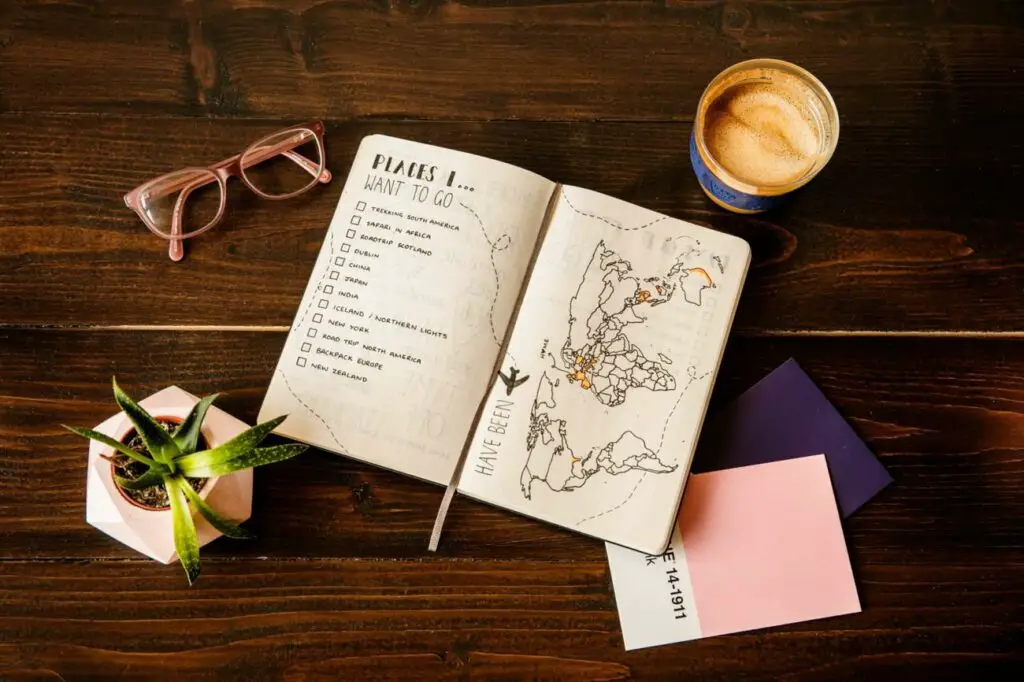
Image Credit: rebeccaandtheworld.com
Create a List of Must-See Places
Instead of immediately building a day-by-day schedule, make a master list of everything you would like to do.
Then divide the list into three categories:
Must-See
These are the experiences you absolutely do not want to miss.
Would Like to See
These are attractions you would enjoy visiting if you have enough time.
Optional
These are activities you can skip without feeling like you missed the purpose of the trip.
This makes it easier to prioritize when your schedule changes.
Group Activities by Location
One of the smartest itinerary-planning tricks is to organize activities based on location.
Avoid spending your morning on one side of a city, traveling across town for lunch and then returning to the original neighborhood for an evening attraction.
Instead, group nearby places together.
For example:
Morning: Museum
Lunch: Restaurant nearby
Afternoon: Historic neighborhood
Evening: Dinner in the same area
This saves transportation time and gives you more time to actually enjoy the destination.
Don’t Schedule Every Minute
A common mistake is trying to fit too many activities into one day.
While a packed itinerary may look impressive on paper, it can quickly become exhausting in real life.
Give yourself time to sit down for coffee, take photographs, browse local stores or simply wander around.
Unexpected moments are often some of the best parts of traveling.
Plan Transportation in Advance
Getting from one place to another can take longer than expected.
When creating your itinerary, include realistic transportation time between activities.
Consider whether you will use:
- Walking
- Public transportation
- Taxi or rideshare services
- Rental cars
- Trains
- Buses
- Organized tours
Also consider traffic, delays and the time required to find transportation.
A 30-minute journey on a map may take significantly longer during a busy period.

Image Credit: travel-missions.com/
Make Reservations for Popular Experiences
Some restaurants, tours and attractions can become fully booked, particularly during busy travel seasons.
Once you know which experiences are essential, check whether reservations are required.
Book important activities first and then build the rest of your itinerary around them.
This can prevent your most anticipated experiences from becoming unavailable.
Leave Time for Meals
Food is an important part of the travel experience, so do not treat meals as an afterthought.
Research restaurants near the areas you plan to visit.
If there is a particular restaurant you really want to try, consider making a reservation.
At the same time, avoid scheduling every single meal before your trip.
Leaving some meals flexible gives you the opportunity to discover local cafés, markets and restaurants naturally.
Consider Your Energy Levels
Your itinerary should match your personal travel style.
If you enjoy getting up early, schedule sightseeing in the morning.
If you prefer slower mornings, start your activities later.
You can also alternate busy days with slower ones.
For example:
Day 1: Light sightseeing
Day 2: Full day of attractions
Day 3: Relaxed neighborhood exploration
Day 4: Major tour or excursion
Day 5: Shopping and free time
This can help prevent travel fatigue.
Always Have a Backup Plan
Weather, transportation problems and unexpected closures can affect even the best itinerary.
If you are planning outdoor activities, have an indoor alternative.
For example:
Sunny day: Walking tour and outdoor landmark
Rainy day: Museum, shopping and indoor dining
Having a backup option means you do not have to completely rethink your trip when something changes.
Keep Free Time in Your Schedule
Free time should be intentional.
Instead of filling every empty hour with another attraction, leave a few blocks of time open.
You might discover a beautiful café, find a local market or simply decide that you want to spend longer in a particular neighborhood.
A flexible itinerary gives you permission to change your plans.
Create a Simple Daily Schedule
A useful itinerary does not have to be complicated.
Morning
Choose one or two major activities.
Afternoon
Plan lunch, another attraction or some relaxed exploration.
Evening
Choose dinner, entertainment or a casual activity.
This basic structure provides enough organization without making the trip feel like a strict timetable.
Keep All Your Travel Information Together
Your itinerary should include more than sightseeing plans.
Keep important information in one place, including:
- Flight details
- Hotel information
- Reservation confirmations
- Attraction tickets
- Transportation details
- Emergency contacts
- Travel insurance information
- Important travel documents
A digital copy can be convenient, while keeping an offline or printed backup can be helpful when internet access is limited.
Review Everything Before Your Trip
A few days before departure, review your itinerary.
Check whether attraction hours have changed, reservations are confirmed and transportation schedules remain accurate.
Also look at the weather forecast and make adjustments where necessary.
This final review can help you catch small problems before they become stressful during your vacation.
Remember That Plans Can Change
Even the best itinerary will not go exactly according to plan.
A restaurant may be closed. Your train could be delayed. You might discover an attraction that you want to spend more time exploring.
That is part of traveling.
Do not feel pressured to follow your itinerary perfectly.
Use it as a guide rather than a strict schedule.
The Perfect Travel Itinerary Leaves Room to Enjoy the Journey
Creating a great travel itinerary is about more than fitting as many attractions as possible into a limited number of days.
It is about deciding what matters most, organizing your time wisely and leaving enough room to experience your destination naturally.
HOLR has the latest travel and lifestyle tips, and a thoughtful itinerary can make your vacation feel more organized without taking away the spontaneity that makes traveling so exciting.
Plan your must-see experiences, group activities by location, allow time for meals and transportation, and always leave some room for the unexpected.
Because the perfect trip is not necessarily the one where you see everything.
It is the one where you come home feeling like you truly experienced the place.
FAQs
How do I start creating a travel itinerary?
Start by deciding your travel dates, identifying your main goals and making a list of the attractions and experiences you most want to enjoy.
How many activities should I plan for one day?
Avoid overloading your schedule. One or two major activities per day, combined with meals and free time, can create a more comfortable itinerary.
Should I book everything before traveling?
Book important attractions, tours and restaurants that require reservations, but leave some free time for spontaneous experiences.
What are the biggest stories trending online today? Read the latest here
Published by HOLR Magazine