


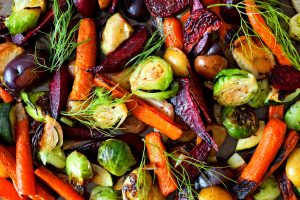
From quick soups and hearty breakfasts to pasta, rice bowls and simple snacks, leftover vegetables can become the starting point for meals that are easy, practical, and full of flavor.
August 22, 2026: Leftover vegetables have a way of becoming forgotten food. A few roasted carrots from dinner, half an onion sitting in the refrigerator, some cooked broccoli from yesterday’s meal, or a handful of spinach that is starting to wilt can easily get pushed to the back of the fridge.
But vegetables do not need to be perfect to be useful.
In fact, leftover vegetables can make cooking easier because much of the preparation has already been done. Cooked vegetables can be folded into eggs, pasta, rice, soups, sandwiches and salads, while raw vegetables can be chopped into quick stir-fries, slaws and snacks.
Using what you already have can also help reduce household food waste. The U.S. Environmental Protection Agency recommends planning meals, using food before it spoils and finding creative ways to use leftovers as practical ways to reduce wasted food at home. (epa.gov)
HOLR breaks down the story here with easy ways to turn leftover vegetables into meals you will actually want to eat.
Start by Taking a Look at what you have.
Before deciding what to cook, open the refrigerator and see what needs to be used first.
You might find:
- Cooked broccoli
- Roasted carrots
- Bell peppers
- Zucchini
- Spinach
- Mushrooms
- Green beans
- Corn
- Peas
- Sweet potatoes
- Cauliflower
- Onions
- Tomatoes
- Cooked potatoes
Do not worry if you only have a small amount of each vegetable.
A few different leftovers can often work beautifully together.
The easiest approach is to group them by what kind of meal they could become. Soft roasted vegetables may work well in a grain bowl, while leafy greens can be added to eggs or pasta. A mixture of vegetables can become the base of a soup, frittata or stir-fry.
Image CRedit: Tasty Thrifty Timely
Turn Leftover Vegetables Into a Frittata
One of the easiest ways to use cooked vegetables is to add them to eggs.
A frittata is particularly forgiving because you can use a mixture of vegetables without needing everything to be exactly the same size.
Try combining leftover vegetables with beaten eggs, cheese, and herbs. Potatoes, spinach, mushrooms, peppers, broccoli and onions can all work well.
You can make one for breakfast, lunch or a simple dinner.
It is also a useful way to use vegetables that may not look perfect anymore but are still safe and suitable to eat.
If you are using leftovers, make sure they have been stored safely and are still within the appropriate storage period.
Add Them to Pasta
Pasta is another easy way to give leftover vegetables a second life.
You can combine vegetables with:
- Tomato sauce
- Pesto
- Olive oil and garlic
- Cream-based sauce
- Cheese
- Beans
- Chicken
- Tuna
Roasted vegetables work particularly well with pasta because their caramelized flavour can add depth to a simple sauce.
Try roasted zucchini, peppers and tomatoes with pasta, olive oil, garlic and Parmesan. Or combine leftover broccoli with pasta, pesto and a little lemon juice.
The result does not have to be complicated.
Sometimes the best leftover meal is simply pasta plus whatever needs using.
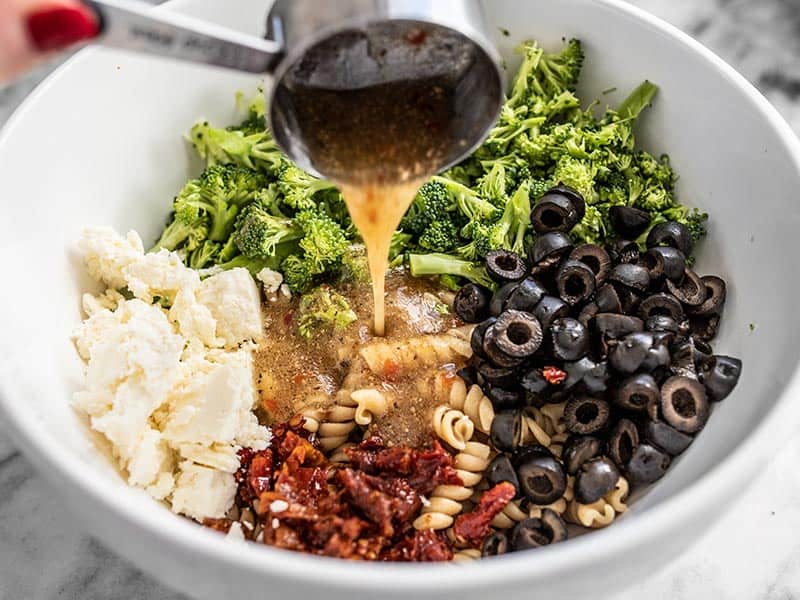
Image Credit: Budget Bytes
Make a Quick Vegetable Fried Rice
Leftover rice and vegetables are a natural combination.
Heat a little oil in a pan, add your vegetables, and then stir in cooked rice. You can add eggs, tofu, chicken, or another protein if you want a more substantial meal.
Season with soy sauce or another sauce you enjoy, and finish with green onions, sesame seeds, or fresh herbs.
This is particularly useful when you have several small amounts of vegetables that would not be enough to make a meal individually.
Carrots, peas, corn, peppers, broccoli and green beans can all work in a simple fried rice.
Make a Vegetable Soup
Soup may be one of the most flexible ways to use leftover vegetables.
Almost any combination can become the beginning of a comforting soup.
Start with an onion, garlic, and a little oil. Add your leftover vegetables, then add broth or stock. Depending on what you have, you can include beans, lentils, pasta, rice, or shredded chicken.
For a creamy soup, blend cooked vegetables with broth until smooth.
Roasted carrots can become carrot soup. Leftover broccoli can become broccoli and cheese soup. Cooked potatoes can be transformed into a hearty potato soup.
You do not need a complicated recipe. Think of soup as a way to bring different ingredients together.
Add Vegetables to a Grain Bowl
Grain bowls are perfect for using small amounts of leftovers.
Start with a grain such as rice, quinoa, couscous, or another cooked grain. Add your leftover vegetables, then include a protein and a sauce.
You might combine:
Roasted sweet potato + chickpeas + greens + tahini dressing
or
Rice + leftover broccoli + grilled chicken + sesame dressing
or
Quinoa + roasted vegetables + beans + avocado
The combination does not need to follow a specific recipe.
The sauce is often what brings everything together.
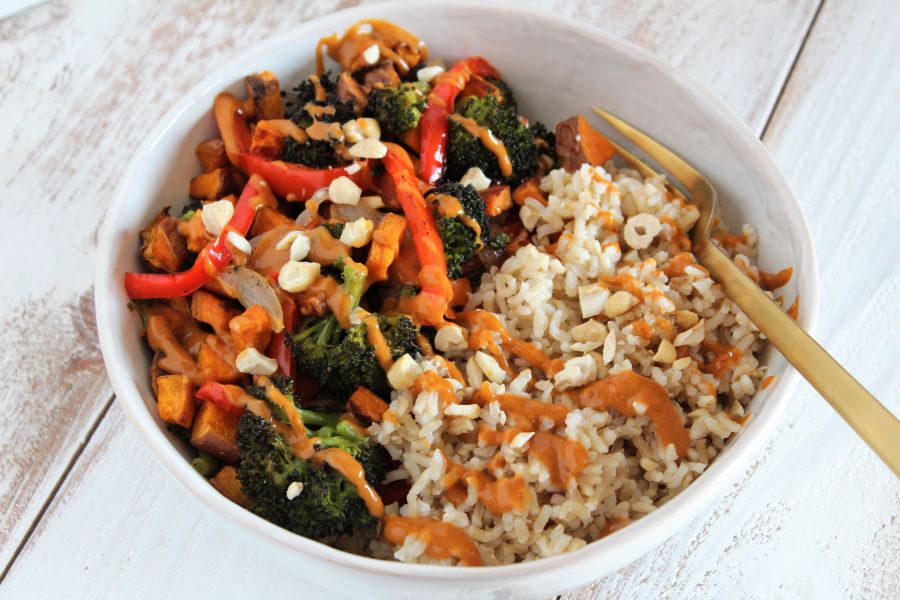
Image Credit: Ways to my heart
Make Vegetable Tacos
Leftover vegetables can become an easy taco filling.
Roasted cauliflower, peppers, sweet potatoes, mushrooms, corn and beans can all work well.
Warm your tortillas and add the vegetables, then finish with salsa, avocado, shredded cheese, sour cream, lime or fresh herbs.
If you have leftover roasted vegetables from dinner, this can turn them into an entirely different meal the next day.
That is one of the best things about leftovers: changing the format can make the same ingredients feel completely new.
Add Them to Quesadillas
Have a small amount of vegetables that is not enough for a full meal?
Put them in a quesadilla.
Add cooked vegetables and shredded cheese between tortillas, then cook until the outside is crisp and the cheese has melted.
Peppers, mushrooms, spinach, corn, onions, broccoli and roasted sweet potatoes can all work.
You can also add beans or leftover chicken if you want more protein.
Serve with salsa, guacamole or plain yogurt.
Make a Vegetable-Packed Sandwich
Vegetables do not have to be the main ingredient to make a sandwich more interesting.
Roasted peppers, grilled zucchini, mushrooms, spinach, tomatoes and roasted eggplant can add flavour and texture to a simple sandwich.
Try roasted vegetables with hummus and greens, or combine grilled vegetables with mozzarella and pesto.
You can also use leftover vegetables as a topping for toast.
Avocado toast becomes more substantial with roasted tomatoes or leftover greens, while hummus toast works well with roasted peppers, carrots or broccoli.
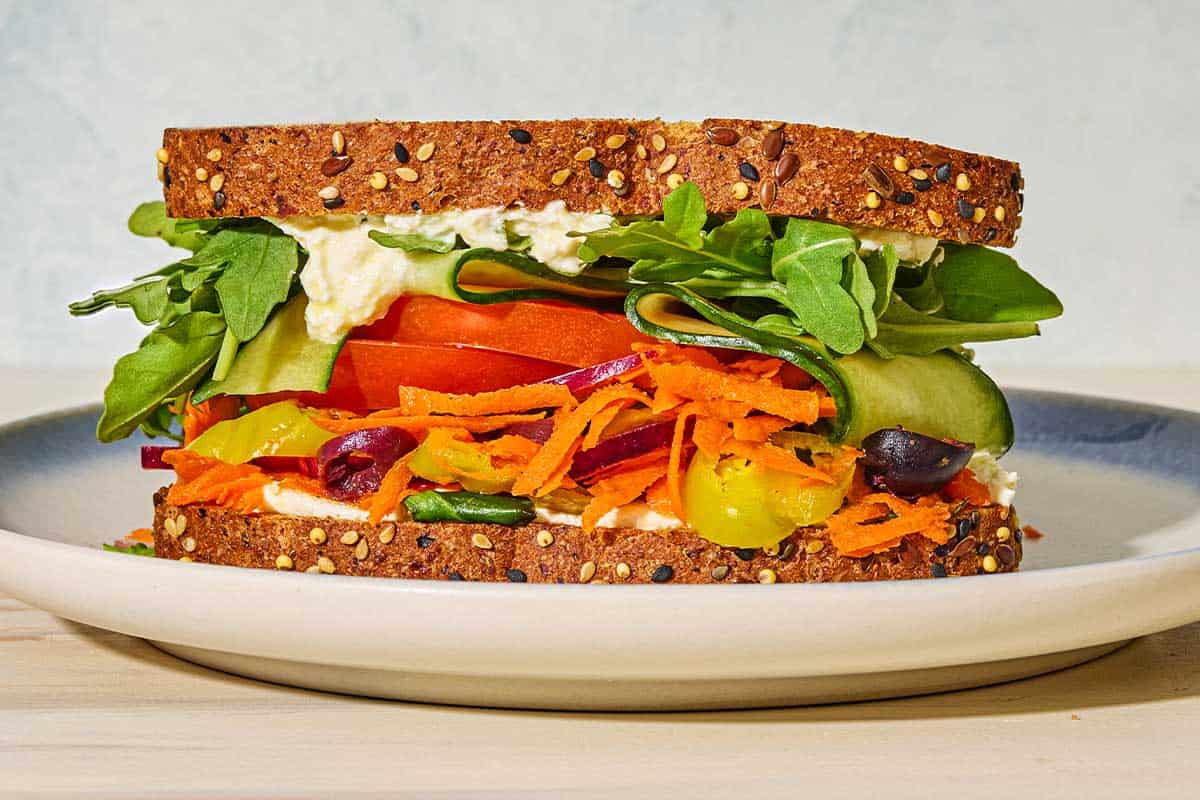
Image Credit: The Meditarrian Dish
Add Them to a Breakfast Hash
Leftover potatoes and vegetables can make an excellent breakfast hash.
Cut larger vegetables into smaller pieces and heat them in a skillet until warm and slightly crisp. Add eggs on top or serve with avocado, cheese or a simple sauce.
Potatoes, peppers, onions, spinach, mushrooms and sweet potatoes are particularly useful here.
It is also a good way to make breakfast more substantial without cooking an entirely new meal.
Turn Vegetables Into a Stir-Fry
A stir-fry can absorb almost any combination of vegetables.
If your vegetables are already cooked, add them later in the cooking process so they do not become overly soft.
For raw vegetables, start with those that take longer to cook and finish with more delicate ingredients.
Add a simple sauce made with ingredients such as soy sauce, garlic, ginger, sesame oil and a little acidity.
Serve over rice or noodles.
This works especially well when your refrigerator contains several vegetables that need to be used within a short period.
Blend Them Into a Sauce
Some vegetables can be transformed into sauces instead of simply being served as side dishes.
Roasted red peppers can be blended into a pasta sauce. Cooked tomatoes can become a simple tomato-based sauce. Spinach and herbs can be blended with nuts, cheese and oil for a pesto-style sauce.
Roasted carrots or squash can also be blended with broth and seasonings to create a creamy sauce for pasta or grains.
Blending can be particularly useful when you have vegetables that are soft but still safe to eat.
Image Credit: Budger Bytes
Make Vegetable Patties or Fritters
Cooked vegetables can also become crispy fritters or patties.
Chop or mash the vegetables, then combine them with an ingredient that helps hold everything together, such as egg, flour, breadcrumbs or mashed potato.
Add herbs and seasonings, shape the mixture into small patties and cook until golden.
This method works especially well with leftover potatoes, zucchini, corn, carrots and leafy greens.
Serve them with yogurt, a dipping sauce or a simple salad.
Add Vegetables to Pizza
Leftover vegetables can easily become pizza toppings.
Try roasted peppers, mushrooms, onions, spinach, broccoli, tomatoes or zucchini with cheese and your favourite sauce.
You can use homemade dough, store-bought dough or even a flatbread as the base.
The key is to avoid adding too many watery vegetables at once, as they can make the crust soggy.
For leftover roasted vegetables, a hot oven can help bring back some of their texture.
Make a Simple Vegetable Salad
Not every leftover vegetable needs to become a cooked meal.
Roasted vegetables can be served cold or at room temperature in a salad with greens, grains, beans, cheese or nuts.
A simple dressing can completely change the flavour.
Try olive oil and lemon, balsamic vinegar, tahini dressing or a mustard-based vinaigrette.
You can also add fresh ingredients such as cucumber, tomatoes, herbs or avocado to make the salad feel more balanced.
Freeze Vegetables Before They Go to Waste
If you know you will not use your vegetables soon, freezing may be an option depending on the vegetable and its condition.
The FoodKeeper guidance from the U.S. Department of Agriculture provides storage recommendations for different foods, while the FDA also recommends using safe storage practices and refrigerating perishable foods promptly. (foodsafety.gov)
Some vegetables freeze particularly well after appropriate preparation, while others can become softer after thawing.
That softer texture does not necessarily make them unusable. Frozen vegetables can still be excellent in soups, sauces, stews and cooked dishes.
Know When Leftovers Should Be Thrown Away
Reducing food waste does not mean eating food that may no longer be safe.
According to FoodSafety.gov, leftovers should generally be refrigerated within two hours and used within three to four days when stored properly in a refrigerator at 40°F (4°C) or below. (foodsafety.gov)
When in doubt, throw it out.
Do not rely only on smell or appearance to determine whether a food is safe. Harmful bacteria do not always change the smell, taste or appearance of food.
If leftovers have been sitting at room temperature for too long or have been stored improperly, it is safer not to use them.
Make Leftovers Part of Your Weekly Routine
One of the easiest ways to reduce food waste is to plan one meal each week around ingredients that need to be used.
It does not have to be a complicated “leftover night.”
You could make:
- Soup
- Fried rice
- Pasta
- Tacos
- Grain bowls
- Frittata
- Stir-fry
- Quesadillas
- Pizza
This gives you a flexible opportunity to clear out the refrigerator before buying more groceries.
It can also save time because you are cooking with ingredients that have already been washed, chopped or cooked.
FAQs
What can I make with leftover vegetables?
Leftover vegetables can be used in soups, pasta, fried rice, frittatas, tacos, quesadillas, grain bowls, sandwiches, stir-fries and vegetable patties. The best option depends on which vegetables you have available.
Can I freeze leftover cooked vegetables?
Some cooked vegetables can be frozen successfully, although their texture may change after thawing. Softer vegetables are often best used in soups, sauces, stews or other cooked dishes.
How long can leftover vegetables stay in the refrigerator?
Properly refrigerated leftovers should generally be used within three to four days. Keep the refrigerator at 40°F (4°C) or below and refrigerate perishable food promptly. (foodsafety.gov)
How can I make leftover vegetables taste better?
Changing the preparation can make them feel like a new meal. Add a flavorful sauce, fresh herbs, spices, cheese, citrus juice or a different cooking method. Turning leftovers into tacos, pasta, soup or fried rice can also make them more appealing.
How do I know if leftover vegetables are still safe to eat?
Storage time and temperature are more important than smell or appearance alone. If leftovers were not refrigerated promptly, have been stored longer than recommended, or you are unsure whether they were handled safely, it is better to discard them.
Published by HOLR Magazine