


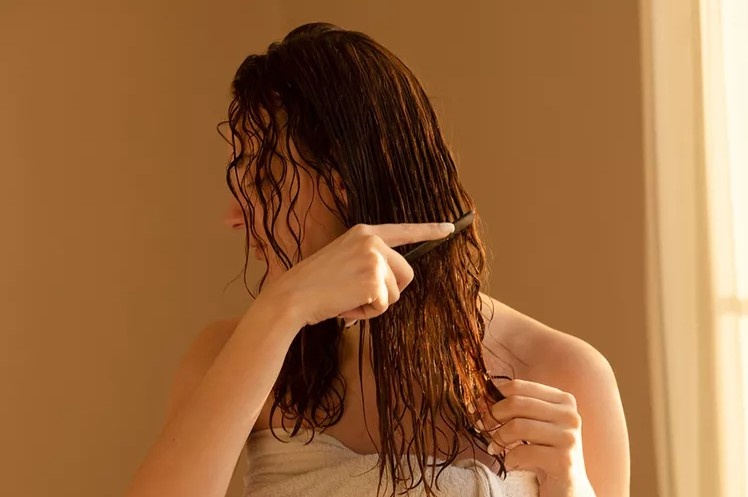
Air-drying can save time and reduce heat styling, but the right products and techniques make all the difference between smooth, defined hair and unwanted frizz.
Why Air-Drying Deserves a Place in Your Routine
August 22, 2026 – Air-drying is more than simply leaving wet hair alone. When done properly, it can be a practical styling method that reduces reliance on blow-dryers and other heated tools while allowing your natural texture to come through.
The key is preparation. Hair that is cleansed, conditioned and styled correctly while damp is much easier to control as it dries. Your routine should also reflect your hair type, since fine, straight, wavy, curly and coily textures behave differently when left to dry naturally.

Credit: Ekaterina Goncharova
Start With the Right Wash Routine
Your air-dry results begin in the shower. Use a shampoo and conditioner suited to your hair’s moisture needs, especially if your strands tend to feel dry or rough.
A deeper conditioning treatment can also be useful occasionally, particularly for dry or damaged hair. Once you finish washing, avoid aggressively rubbing your hair with a regular towel. Gently squeeze out excess water and use a microfiber towel or soft T-shirt to blot instead.
Rough towel drying can create friction and disturb the hair cuticle, which may contribute to frizz. The less unnecessary manipulation your hair experiences while it is wet, the better.
Pay Attention to Hair Porosity
Porosity affects how your hair takes in and holds moisture, so it can influence how quickly it dries and which products work best.
High-porosity hair tends to absorb moisture easily but can also lose it quickly. Low-porosity hair can resist absorbing moisture and may become weighed down by heavy products. Medium-porosity hair falls somewhere between the two.
Understanding your porosity can help you choose a lighter or richer styling routine. It can also explain why a technique that works beautifully for one person may leave another person’s hair flat, heavy or frizzy.
Fine Hair Needs Lightweight Products
Fine hair can lose volume quickly when overloaded with creams, oils or heavy conditioners. For this texture, the goal is to provide enough smoothing and definition without coating the strands in too much product.
After gently blotting the hair, apply a lightweight styling cream or leave-in conditioner, concentrating on the lengths and ends. Use less product near the roots to avoid flattening the hair.
Once the hair has been shaped, leave it alone. Repeatedly running your fingers through fine strands while they dry can separate the hair and create flyaways.
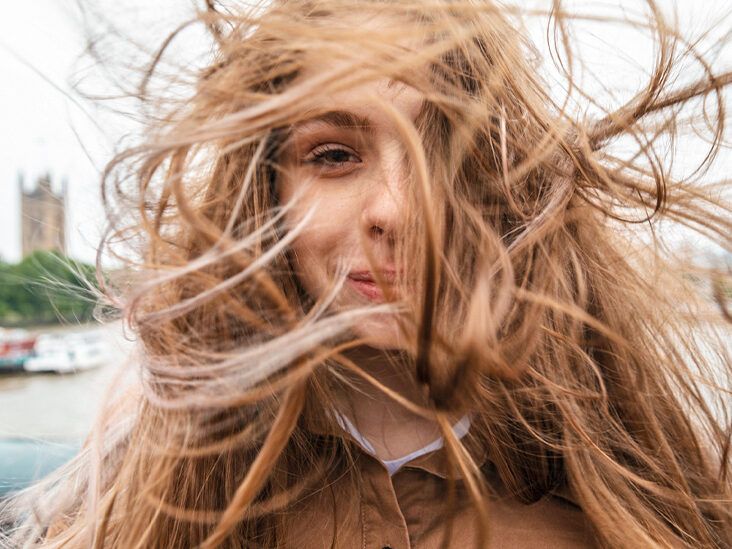
Credit: Westend61
Bring Out Natural Waves
Wavy hair usually benefits from styling products applied while the hair is still damp. A lightweight curl or wave cream can help encourage the natural pattern without making it stiff.
Apply the product evenly, then gently scrunch sections of hair upward. This helps the natural wave formation without forcing the hair into a completely different shape.
Once the waves are formed, avoid touching them until they are dry. Manipulating them too often can break up the pattern and create frizz.
Give Curly Hair Time to Set
Curly hair generally needs more structure while air-drying. Apply curl cream or another suitable styling product to damp hair, then shape individual sections with your fingers if necessary.
The most important step is patience. Let the curls dry completely before fluffing, separating or reshaping them.
If you want additional volume, gently separate the curls only after they have fully dried. Trying to create volume too early can disrupt the curl pattern and leave the finished style less defined.
Use Twists for Coily Hair
Coily textures can benefit from techniques that give the hair a defined shape while it dries. Twisting sections of damp hair is one option for creating more controlled definition.
The size of the twists affects the finished result. Smaller twists generally create more definition, while larger sections can produce a softer and fuller effect.
A leave-in conditioner can provide moisture before the styling product is applied. Once the twists are formed, allow them to dry fully before taking them apart.

Credit: Armando Grillo / Gorunway.com
Add Texture to Straight Hair
Straight hair can also benefit from air-drying techniques rather than simply being left completely untouched. If you want subtle waves, loosely braid damp hair and let it dry naturally.
Keep the braid fairly loose to avoid an overly crimped effect. Larger sections will usually create softer movement, while tighter braids produce more visible texture.
You can also part the hair in the direction you want it to dry and tuck or clip sections loosely into place. This gives the hair some shape without requiring a heated styling tool.
Choose Air-Dry Products Carefully
The right styling products should support your natural texture rather than fight it. A leave-in conditioner can provide moisture and softness, while an air-dry cream can help control frizz and improve definition.
Curly and wavy hair may benefit from curl creams or lightweight gels. Fine hair generally responds better to lighter formulas, while very dry hair can often tolerate a richer cream or a small amount of oil on the ends.
Start with less product than you think you need. You can always add more, but too much product can slow the drying process and make the finished hair look heavy.
Don’t Touch Your Hair While It Dries
This is one of the simplest and most important rules of air-drying. Once your product is applied and your hair has been shaped, leave it alone.
Touching wet or partially dry hair can disrupt wave and curl patterns and increase frizz. It can also cause strands to separate unevenly, making the finished style look less polished.
Make your adjustments early, while the hair is still damp. Then let the drying process happen without constant interference.
Refresh Instead of Washing Again
Air-dried hair can often be refreshed between washes rather than completely restyled. This can be particularly useful for waves and curls that lose some definition overnight.
Lightly mist the hair with water or a leave-in conditioner, then reshape sections with your hands. A small amount of styling cream can help redefine waves or curls, while a little oil can smooth dry ends.
Dry shampoo can also be useful for oily roots or hair that has lost some volume. The idea is to revive the existing style rather than start the entire routine over.
Protect Your Hair as It Dries
Where and how your hair dries can also affect the result. Try not to pile wet hair tightly against the scalp or leave it compressed under heavy clothing or bedding.
If you are going to sleep before your hair is completely dry, consider allowing it more time to set first. For textured hair, a loose style or satin accessory can help reduce friction once the hair is dry.
The less friction and manipulation your hair experiences, the easier it is to preserve the shape you created.
Final Thoughts
Air-drying works best when you approach it as a styling technique rather than simply skipping the blow-dryer. Start with well-conditioned hair, use products that suit your texture and shape the hair while it is damp.
The most important part may be what you do afterward: leave your hair alone while it dries. With the right routine, air-drying can give you softer, more defined hair while cutting down on everyday heat styling.
FAQs
Is air-drying better for your hair than blow-drying?
Air-drying reduces your exposure to direct heat, which can make it a useful alternative to frequent heated styling. However, how you handle wet hair still matters because hair is more vulnerable when wet.
How can I air-dry my hair without frizz?
Use moisturizing products, gently blot excess water instead of rubbing, apply a styling product suited to your texture and avoid touching your hair as it dries.
What is the best product for air-drying hair?
A lightweight leave-in conditioner and an air-dry styling cream are good starting points. Curly and wavy hair may benefit from curl cream or gel, while dry ends can use a small amount of oil.
How do I air-dry curly hair?
Apply styling product to damp hair, shape your curls and leave them undisturbed until completely dry. Separate or fluff the curls only afterward.
Can I refresh air-dried hair the next day?
Yes. Lightly mist the hair with water or leave-in conditioner and reshape the areas that need definition. Dry shampoo can help refresh oily roots.
Published by HOLR Magazine