


Fashion icon speaks candidly about invitations and belonging
Billy Porter addresses Met Gala absence
April 24, 2026 – Billy Porter has revealed that he has not been invited to the Met Gala since 2019, sharing a direct and personal perspective: “I don’t go to places where I’m not welcome.” The statement has quickly gained traction across fashion and entertainment circles, particularly given Porter’s history of redefining red carpet moments at the event.
His comments introduce a broader conversation about visibility, inclusion, and the evolving dynamics behind one of fashion’s most exclusive nights. While the Met Gala is often seen as a celebration of creativity and individuality, Porter’s absence highlights the complexities that can exist behind the scenes.
:max_bytes(150000):strip_icc():focal(1345x0:1347x2):format(webp)/billy-porter-met-gala-2019-042326-2cb74b707fa449daa16216b5794e71de.jpg)
Image Credit: Raymond Hall/GC Images/Getty
A defining force on the Met Gala red carpet
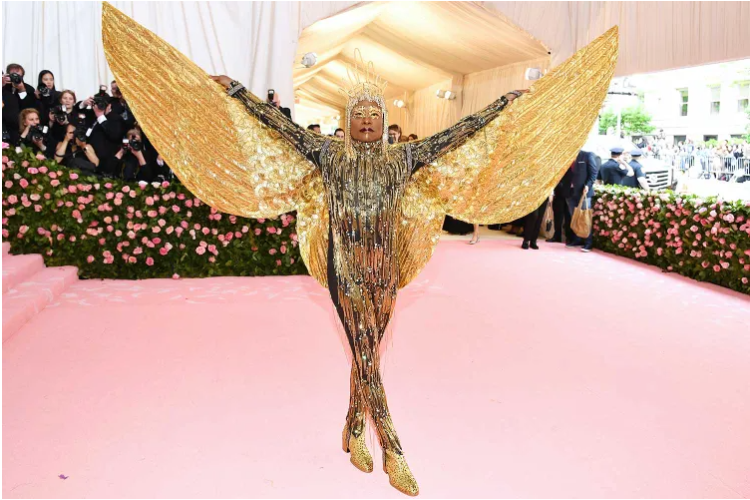
Billy Porter became one of the most talked-about figures at the Met Gala, particularly during his 2019 appearance. His elaborate, theatrical entrance—complete with a grand reveal—was widely praised for pushing boundaries and challenging traditional norms of red carpet fashion.
Porter’s approach was never just about clothing. It was performance, identity, and statement-making combined. He brought a level of intentional artistry that reshaped expectations for celebrity appearances at the gala, making fashion feel both expressive and political.
That impact makes his absence all the more noticeable, especially for audiences who associate the event with bold, culture-shifting moments.
The meaning behind “not feeling welcome”
Porter’s statement reflects more than a missed invitation—it points to a deeper sentiment about belonging in elite spaces. Saying he chooses not to attend places where he is not welcome suggests a shift from seeking inclusion to setting personal boundaries.
In industries like fashion, where access is often tightly controlled, invitations can carry symbolic weight. Being included signals recognition, while exclusion can raise questions about evolving tastes, relationships, or institutional priorities.
For Porter, the decision appears to be less about the event itself and more about maintaining self-respect and agency within those dynamics.
:max_bytes(150000):strip_icc():focal(574x0:576x2):format(webp)/afterparties-61-cf9fe1a9270d43a3b11a32015ba52f48.jpg)
Image Credit: Taylor Hill/FilmMagic
The evolving nature of the Met Gala
The Met Gala has undergone noticeable changes over the years, from its guest list to its thematic direction. While it continues to celebrate high fashion and creativity, the event has also become more curated, with a strong emphasis on exclusivity and brand alignment.
This evolution can influence who is invited and how the event positions itself culturally. As new faces and trends emerge, the balance between legacy figures and current influences shifts, sometimes leading to unexpected absences.
Porter’s comments bring attention to this evolution, prompting questions about how inclusivity is defined within such spaces.
Representation and visibility in fashion
Billy Porter has long been a vocal advocate for representation, particularly in challenging gender norms and expanding the definition of masculinity in fashion. His presence on major platforms like the Met Gala has contributed to broader visibility for diverse identities.
His absence, therefore, is not just about one individual—it reflects a potential gap in the representation he helped amplify. Moments like this often lead to larger discussions about who gets to occupy high-visibility spaces and why.
As fashion continues to position itself as inclusive and progressive, such conversations remain central to its cultural relevance.
Public reaction and cultural conversation
The response to Porter’s comments has been mixed but engaged. Many supporters have expressed disappointment at his absence from the Met Gala, highlighting the energy and creativity he brought to the red carpet.
Others view the situation as part of the natural evolution of an exclusive event, where guest lists change based on shifting industry dynamics. This range of perspectives reflects the complexity of the issue, where personal experience intersects with broader cultural trends.
Social media has amplified the conversation, turning Porter’s statement into a wider dialogue about inclusion, recognition, and the role of institutions in shaping cultural moments.
Image Credit: Cindy Ord/Getty Images
Fashion as a space of power and access
The Met Gala is not just a fashion event—it is a reflection of influence, access, and cultural capital. Invitations are often tied to relationships with designers, brands, and organizers, making the event as much about networking as it is about style.
Porter’s absence highlights how these systems operate, where visibility is not solely based on impact but also on alignment with current industry priorities. This dynamic raises questions about how power is distributed within fashion and who gets to participate in its most visible moments.
A broader shift toward self-definition
By choosing not to attend spaces where he feels unwelcome, Billy Porter aligns with a broader cultural shift toward self-definition and intentional presence. Increasingly, public figures are prioritizing environments that reflect their values rather than simply seeking visibility.
This approach resonates with audiences who value authenticity and self-respect, particularly in industries that have historically emphasized conformity.
Porter’s stance reflects a growing emphasis on agency, where participation is a choice rather than an obligation.
Image Credit: Getty Images
What this means for future Met Galas
Looking ahead, Porter’s absence raises questions about how the Met Gala will continue to evolve. Will it maintain its current direction, or will it re-engage with figures who have played a key role in shaping its recent identity?
The answer may depend on how the event balances exclusivity with cultural impact. Figures like Porter bring a level of creativity and conversation that extends beyond fashion, influencing how the event is perceived globally.
Final Thoughts
Billy Porter’s revelation about not being invited to the Met Gala since 2019 is more than a personal update—it’s a reflection of shifting dynamics within one of fashion’s most influential spaces. His decision to prioritize belonging over visibility highlights the importance of agency in an industry built on access.
As conversations around inclusion and representation continue to evolve, Porter’s voice remains a powerful reminder that true influence comes not just from being seen, but from standing firmly in one’s identity.
FAQs
Q1: What did Billy Porter say about the Met Gala?
He said he hasn’t been invited since 2019 and doesn’t go where he isn’t welcome.
Q2: When was his last Met Gala appearance?
His last appearance was in 2019.
Q3: Why is his absence significant?
Because he was known for iconic, boundary-pushing red carpet looks.
Q4: How have people reacted?
Reactions include both support and discussion about fashion industry dynamics.
Q5: What broader issue does this highlight?
It raises questions about inclusion, representation, and access in elite spaces.
Published by HOLR Magazine