


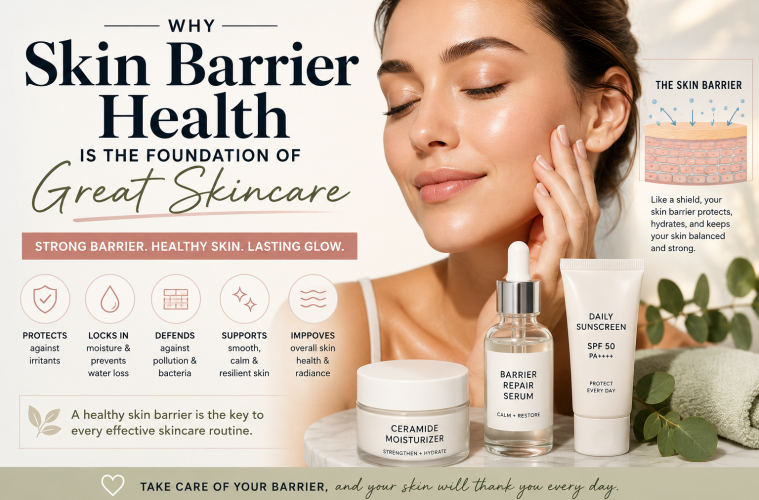
Why Skin Barrier Health Is the Foundation of Great Skincare: The Science Behind Strong, Healthy Skin
July 29,2026: Walk down any beauty aisle or spend a few minutes scrolling through social media, and you’ll find countless products promising brighter skin, fewer wrinkles, smaller pores, and a radiant complexion.
New serums, exfoliating acids, retinol treatments, face masks, and trending ingredients seem to appear every week, each claiming to transform your skin.
Yet despite investing in expensive skincare routines, many people continue experiencing redness, dryness, irritation, sensitivity, and breakouts.
The reason may not be a lack of products.
Instead, it could be something far more fundamental: your skin barrier.
In recent years, dermatologists and skincare experts have increasingly emphasized that healthy skin begins with a strong skin barrier. Rather than chasing every new beauty trend, many professionals now recommend protecting the skin’s natural barrier before introducing more active ingredients.
The concept may sound technical, but the skin barrier performs one of the most important jobs in the human body.
It protects you every minute of every day.
HOLR explores what the skin barrier is, why it matters, how it becomes damaged, and why supporting it may be the most important step in achieving healthier-looking skin.
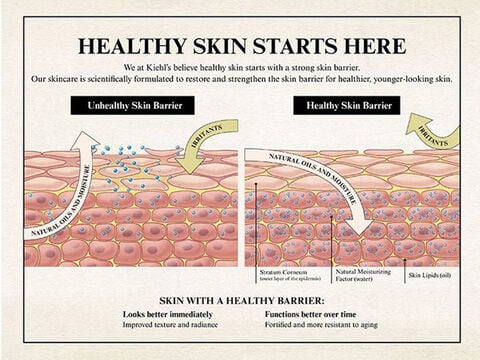
Image Credit: kiehls.com
What Is the Skin Barrier?
Your skin is the body’s largest organ.
Its outermost layer, known as the stratum corneum, acts as a protective barrier between your body and the outside world.
You can think of the skin barrier like a brick wall.
The skin cells are the “bricks.”
Natural fats—including ceramides, cholesterol, and fatty acids—act as the “mortar” that holds everything together.
Together, they create a protective shield that helps:
- Prevent water loss
- Keep skin hydrated
- Block bacteria
- Reduce irritation
- Protect against pollution
- Defend against allergens
- Shield the body from environmental damage
Without this barrier, skin would quickly lose moisture and become much more vulnerable to external irritants.
Why Skin Barrier Health Matters
Many people focus on treating visible skin concerns such as acne, wrinkles, or pigmentation.
However, these treatments often work best when the skin barrier is functioning properly.
A healthy skin barrier helps maintain:
- Hydration
- Smooth texture
- Elasticity
- Comfort
- Balanced oil production
- Improved resilience
When the barrier becomes compromised, even gentle skincare products may suddenly begin causing discomfort.
Instead of looking radiant, skin may appear:
- Dry
- Tight
- Flaky
- Red
- Inflamed
- Sensitive
- Rough
Supporting the skin barrier creates a healthier environment where other skincare ingredients can work more effectively.
How Does the Skin Barrier Become Damaged?
Modern lifestyles expose our skin to numerous stressors every day.
Some of the most common causes of skin barrier damage include:
Over-Exfoliation
Chemical exfoliants and physical scrubs can improve skin when used appropriately.
However, excessive exfoliation may remove too much of the skin’s natural protective layer.
Harsh Cleansers
Cleansers that strip away natural oils can leave skin feeling clean initially but may weaken the barrier over time.
Environmental Factors
Cold weather, low humidity, excessive sun exposure, wind, and pollution can all affect skin barrier function.
Hot Water
Long, hot showers may feel relaxing, but they can remove natural oils that help protect the skin.

Image Credit: ieskincare.com
Overusing Active Ingredients
Products containing retinoids, alpha hydroxy acids (AHAs), beta hydroxy acids (BHAs), benzoyl peroxide, and vitamin C offer many benefits.
However, combining too many active ingredients at once may overwhelm the skin, especially without allowing time for recovery.
Signs Your Skin Barrier May Be Compromised
Although only a dermatologist can diagnose certain skin conditions, some common signs may suggest your skin barrier needs extra care.
These include:
- Persistent dryness
- Increased sensitivity
- Burning after applying products
- Redness
- Flaking
- Tightness
- Itchiness
- Rough texture
- Unexpected breakouts
Many people assume these symptoms mean they need stronger skincare products.
In reality, the opposite is often true.
Sometimes the skin simply needs fewer active ingredients and more support.
Hydration Is Essential
One of the skin barrier’s primary responsibilities is preventing transepidermal water loss, meaning it helps keep moisture inside the skin.
When the barrier weakens, water escapes more easily.
This leaves skin feeling dry, tight, and uncomfortable.
Hydrating ingredients such as:
- Hyaluronic acid
- Glycerin
- Ceramides
- Squalane
- Panthenol
can help support the skin’s moisture balance.
Combined with a good moisturizer, these ingredients help reinforce the barrier while improving skin comfort.
Why Less Can Sometimes Be More
One of today’s biggest skincare trends is “skinimalism”—a simplified skincare routine focused on consistency rather than using dozens of products.
Dermatologists increasingly recommend building routines around:
- Gentle cleansing
- Moisturizing
- Sun protection
- Targeted treatments only when necessary
Rather than constantly introducing new products, allowing the skin barrier time to recover often produces better long-term results.
Healthy skin isn’t created overnight.
It’s supported through daily habits that respect the skin’s natural biology.

Image Credit: stackedskincare.com
How to Support and Repair Your Skin Barrier
The good news is that the skin barrier has an incredible ability to recover when given the right support.
Unlike chasing the latest beauty trend, repairing the skin barrier often involves returning to the basics and giving the skin time to restore its natural balance.
Here are some dermatologist-recommended habits that can help protect your skin barrier.
Use a Gentle Cleanser
Cleansing removes dirt, oil, sunscreen, and makeup, but it shouldn’t leave your skin feeling tight or stripped.
Choose a mild cleanser that respects the skin’s natural oils while effectively cleaning the surface.
If your face feels squeaky clean after washing, your cleanser may be too harsh.
Moisturize Every Day
Moisturizers help strengthen the skin barrier by reducing moisture loss and replenishing essential lipids.
Look for ingredients such as:
- Ceramides
- Glycerin
- Hyaluronic acid
- Squalane
- Niacinamide
- Fatty acids
These ingredients help reinforce the skin’s natural protective layer while keeping it hydrated and comfortable.
Wear Sunscreen Daily
One of the biggest threats to skin barrier health is ultraviolet (UV) radiation.
Daily sunscreen helps protect the skin from sun damage, premature aging, pigmentation, and barrier disruption.
Dermatologists generally recommend applying a broad-spectrum sunscreen with SPF 30 or higher every day, even when it’s cloudy or you’re spending most of your time indoors near windows.
Sun protection isn’t just about preventing wrinkles.
It’s one of the best ways to preserve your skin’s overall health.
Introduce Active Ingredients Slowly
Retinol, vitamin C, exfoliating acids, and other active ingredients can provide excellent benefits.
However, using too many at once can overwhelm the skin.
When introducing a new product:
- Start slowly.
- Use it only a few times each week.
- Monitor how your skin responds.
- Increase frequency gradually if your skin tolerates it well.
This approach allows your barrier to adapt without becoming irritated.
Nutrition Also Supports Healthy Skin
Skincare doesn’t begin and end with products.
The skin reflects what’s happening inside the body.
A balanced diet rich in vitamins, minerals, healthy fats, antioxidants, and protein provides the nutrients skin cells need to function normally.
Foods that support skin health include:
- Salmon
- Avocados
- Nuts
- Seeds
- Berries
- Leafy green vegetables
- Eggs
- Olive oil
Staying hydrated also helps support overall skin function, although drinking more water alone won’t instantly solve every skin concern.
Healthy skin is the result of multiple lifestyle factors working together.
Lifestyle Habits Matter More Than You Think
Even the best skincare routine has limits if daily habits don’t support overall skin health.
Several lifestyle factors influence the skin barrier, including:
Sleep
During sleep, the body carries out many of its repair processes, including those that help maintain healthy skin.
Consistently poor sleep may affect skin recovery and contribute to a tired, dull complexion.
Stress Management
Chronic stress may influence inflammation and skin sensitivity.
Finding healthy ways to manage stress—such as exercise, mindfulness, spending time outdoors, or connecting with loved ones—can benefit both your mental well-being and your skin.
Avoid Smoking
Smoking accelerates skin aging and can reduce blood flow to the skin, affecting its overall appearance and health.
Exercise Regularly
Regular physical activity supports healthy circulation, delivering oxygen and nutrients throughout the body, including the skin.
Common Myths About the Skin Barrier
As skincare has become increasingly popular online, several misconceptions have emerged.
Myth 1: More Products Mean Better Skin
Not necessarily.
Using too many products at once may irritate the skin and weaken its protective barrier.
Myth 2: Tingling Means a Product Is Working
A mild sensation can occur with certain ingredients.
However, persistent burning, stinging, or redness may indicate irritation rather than effectiveness.
Myth 3: Oily Skin Doesn’t Need Moisturizer
Even oily skin requires hydration.
Skipping moisturizer may actually encourage the skin to produce more oil in some individuals.
Myth 4: Natural Products Are Always Better
Natural ingredients can be beneficial, but they can also cause irritation or allergic reactions.
Product formulation is often more important than whether an ingredient is natural or synthetic.
The Future of Skincare Is Barrier-First
The skincare industry is shifting away from aggressive routines and toward protecting the skin’s natural function.
Many newer products now focus on:
- Skin barrier repair
- Microbiome support
- Gentle formulations
- Fragrance-free options
- Ceramide-rich moisturizers
- Sensitive skin care
Rather than constantly encouraging consumers to exfoliate more or use stronger treatments, many dermatologists now recommend strengthening the skin before addressing cosmetic concerns.
This barrier-first philosophy reflects growing scientific understanding of how healthy skin functions.
Final Thoughts
Healthy skin isn’t built through complicated routines or expensive products alone.
It begins with protecting one of the body’s most remarkable defenses—the skin barrier.
A strong skin barrier helps maintain hydration, defend against environmental damage, reduce irritation, and create the ideal foundation for every other step in your skincare routine.
Whether your goal is smoother skin, fewer breakouts, improved hydration, or a brighter complexion, supporting your skin barrier is one of the most effective long-term strategies.
Instead of chasing every viral skincare trend, focusing on gentle cleansing, daily moisturizing, sun protection, balanced nutrition, and consistent habits often delivers the most sustainable results.
At its core, great skincare isn’t about using more products.
It’s about helping your skin do what it was naturally designed to do.
FAQs
What is the skin barrier?
The skin barrier is the outermost layer of the skin that helps retain moisture while protecting the body from bacteria, pollution, allergens, and environmental damage.
Why is skin barrier health important?
A healthy skin barrier supports hydration, reduces sensitivity, strengthens the skin’s natural defenses, and creates the ideal foundation for effective skincare.
What are the signs of a damaged skin barrier?
Common signs include dryness, redness, flaking, tightness, burning, increased sensitivity, rough texture, and irritation after applying skincare products.
What are the biggest stories trending online today? Read the latest here
Published by HOLR Magazine
Image Credit: AI