


You saw the pasta on your feed three weeks ago. By the time your flight landed, you’d saved the location, checked the queue rumors, and planned your whole first evening around it. Here’s the part nobody posts: the restaurant saw you coming too. Not you specifically, but the wave you’re part of. It knew this Friday would be bigger than last Friday, that the 7 p.m. slots would vanish first, and that tables of four would outnumber tables of two. While you were screenshotting the menu, the restaurant was already staffing, stocking, and pacing the night around people exactly like you.
That’s the quiet plot twist of modern food travel. We think of scoring a table at the buzzy spot in Lisbon or Mexico City as a matter of luck, timing, or knowing someone. Increasingly, it’s none of those. The hottest restaurants in the world have gotten shockingly good at predicting demand, and once you understand how, the new rules of getting a table start working in your favor instead of against you.
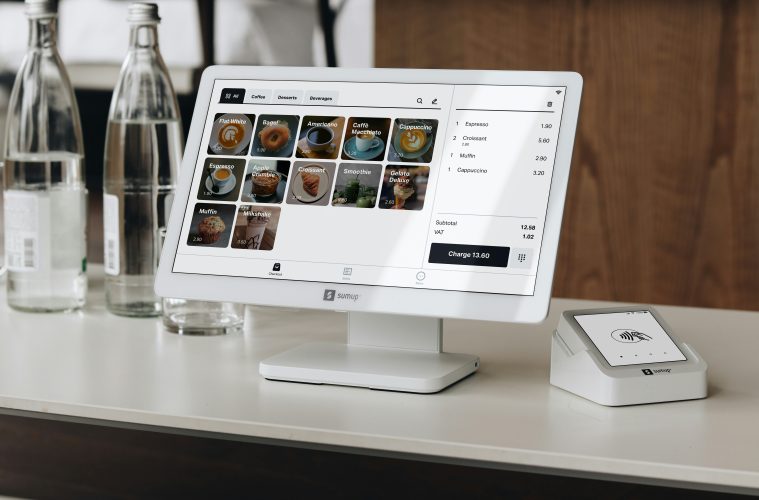
The prediction engine isn’t a mystery, either. Every order, every booking, every no-show, and every 9:45 p.m. dessert rush flows through the software running the restaurant’s entire operation, and that data becomes tomorrow’s game plan. Where front-of-house speed meets back-office control, Tableview.com sits within the evolving landscape of hospitality ePOS systems, connecting ordering, payments, and day-to-day venue operations. Translated out of industry-speak: the till, the kitchen screens, the booking book, and the stockroom all talk to each other now, and together they know what Saturday looks like before Saturday happens.
The Restaurant Read the Room Before You Walked In
Modern restaurant POS systems are essentially memory machines. They remember that the last time a dish went viral, walk-ins tripled for six weeks. They remember that rainy Thursdays run slow, that concert nights next door run loud, and that tourists order differently than regulars.
For you, standing outside deciding whether to join the line, that memory shows up as:
- Booking slots released in patterns that match real demand, not guesswork
- A host who can honestly say “twenty minutes” and mean it, because table turn times are tracked, not vibes
- The kitchen pre-prepped for the exact dishes the internet sent everyone in for
- Staff scheduled in the right numbers, so the viral crowd doesn’t break the service
Why the wait time is suddenly honest
Old restaurants guessed your wait and rounded down to keep you from leaving. New restaurants know their average table turn to the minute. When the estimate is accurate, that’s not politeness. That’s data. And it changes your strategy: an honest twenty-minute quote at a well-run spot beats a hopeful “any minute now” almost anywhere else.
The Famous Dish Math
Let’s talk about the heartbreak scenario: you queued for the thing, and it’s gone. Whether that happens to you is decided by something deeply unglamorous called a restaurant inventory management system, and it’s quietly become the difference between viral spots that thrive and those that implode.
Here’s the math running behind your must-order dish. The system tracks exactly how many portions sold yesterday, how fast they’re selling today, and how much of each ingredient sits in the walk-in right now. When a place blows up online, the well-run kitchen sees the surge in its numbers within days and adjusts the buying before the weekend hits. The chaotic kitchen finds out when the shelf is empty at 7:30 p.m.
What this means for your itinerary:
- “Sold out” at 9 p.m. is normal and even healthy; sold out at noon, repeatedly, means the demand math isn’t keeping up
- Early seatings are statistically safest for limited viral dishes; book the unfashionable 5:30 if the dish is the whole point.
- When the menu says “limited daily,” believe it; that number was calculated, not invented for hype
- A spot that instantly removes the sold-out dish from the digital menu (instead of letting you order and then disappointing you) is showing its operational quality in real time.e
Reading a Restaurant Like an Insider
Once you know the machinery exists, you can spot which trending spots actually have it together, usually before you commit an evening to them. Broadly, POS systems for restaurants leave fingerprints all over the guest experience, and travelers who read them well eat better:
- Handhelds at the table and QR options mean orders move at surge speed; paper pads at a viral restaurant are a red flag under pressure
- Split payments handled in seconds tell you the whole operation is current, not just the decor
- A booking system that asks smart questions (dietary notes, occasion, seating preference) is fed by software that will actually use the answers
- Consistent food quality at hour three of a slammed service means the kitchen is pacing off screens, not adrenaline
The new etiquette works both ways
One more shift worth knowing: the data remembers you too, in aggregate. No-shows are the reason deposits and credit card holds became standard at in-demand spots. The restaurants aren’t being precious. Their systems showed them exactly how many tables died empty on Saturday nights, and they priced the problem. Book what you’ll honor, cancel properly when plans change, and the whole ecosystem stays friendlier for everyone chasing the same tables you are.
Play the Game, Then Forget It
None of this should make dinner feel like a spreadsheet. The point of understanding the machine is to choose better and stress less: book the early slot for the viral dish, trust the honest wait time, read the handhelds and the deposits as good signs rather than annoyances, and give your evening to the places that clearly respect your time.
Then sit down, order the thing you flew in for, and let the algorithm fade back to where it belongs, invisible, behind the pass, quietly making sure your table was ready the moment you walked in. It knew you were coming. The least you can do is show up hungry.