


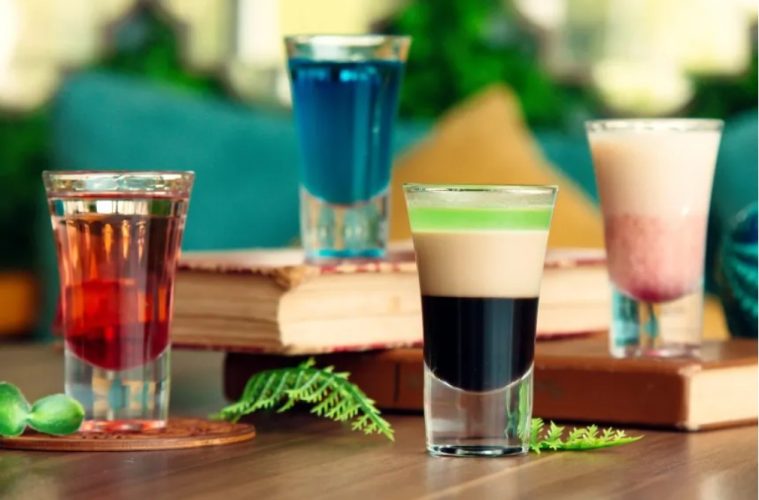
From sparkling yuzu and guava to botanical sodas and sophisticated alcohol-free spritzes, these new drinks are bringing fresh ideas to the beverage aisle.
A New Generation of Beverages
August 14, 2026 – The beverage aisle is becoming far more adventurous, with new drinks moving beyond traditional sodas, juices, and sparkling waters. In 2026, some of the most interesting launches are combining familiar culinary traditions with unexpected ingredients and modern formats.
The standout drinks this year aren’t simply designed to quench thirst. They are built around distinctive flavors, unusual ingredients, cultural influences, and the growing interest in sophisticated alcohol-free options.
A selection of 170 beverage submissions was evaluated, with six ultimately standing out for their flavor and originality. The finalists include sparkling citrus drinks, fruit-forward agua frescas, vinegar-based tonics, botanical sodas, tea beverages, and a new alcohol-free spritz.
Together, they offer a snapshot of where modern beverage culture is heading.

Credit: Marcus Mcdonald/Erica Lutz
Yuzu Brings a Fresh Citrus Kick
Yuzuco’s Sparkling Yuzu + Minerals puts Japanese yuzu at the center of its flavor profile.
The drink combines cold-pressed yuzu juice with sparkling water and minerals, creating something that sits between a traditional citrus drink and a modern sparkling beverage. The result is bright, juicy, and lightly salty rather than simply sweet.
Yuzu has become increasingly popular in contemporary food and drinks because of its distinctive citrus character. It can taste familiar while still offering something noticeably different from conventional lemon or lime beverages.
This particular drink can also work beyond casual sipping. Its bright citrus profile makes it suitable as a mixer, giving it versatility for people who enjoy experimenting with drinks at home.
A Sparkling Take on Agua Fresca
Bawi’s La Guayaba Agua Fresca brings the flavors of traditional agua fresca into a sparkling format.
The Pink Guava variety combines real fruit with a small amount of sugar and layers the tropical fruit flavor with hints of hibiscus and orange.
Agua fresca has long been appreciated for its refreshing simplicity, typically pairing fruit, water, and sweetness into an easygoing drink. Adding carbonation gives the familiar concept a contemporary twist without completely losing its connection to the original style.
For anyone who enjoys fruit-forward beverages but wants something lighter and more refreshing than a conventional juice, this type of drink offers an appealing middle ground.
An Old Tradition Gets a Modern Refresh
Tractor Beverage Co.’s Haymaker draws inspiration from switchel, a traditional vinegar-based drink with centuries-old roots.
The modern sparkling tonic uses apple cider vinegar alongside flavors including ginger, peach, lemon, and berries. Rather than tasting heavily of vinegar, the drink is designed around a crisp, tart profile.
Its appeal reflects a broader interest in rediscovering older food and beverage traditions and adapting them for contemporary tastes.
Instead of simply inventing another new flavor combination, drinks like this demonstrate how culinary history can provide inspiration for modern products.
Credit: Tractor Beverage Company
Alcohol-Free Drinks Continue to Evolve
The growth of sophisticated alcohol-free beverages is another major theme among this year’s standout drinks.
Ghia’s Blood Orange Le Spritz takes the familiar spritz format and gives it a non-alcoholic interpretation, combining blood orange with marjoram and the brand’s signature aperitif-style base.
The result is designed to be more complex than an ordinary soft drink, with sweet, tart, herbal, and sparkling elements working together.
This reflects how the alcohol-free category has moved beyond simple substitutes. Increasingly, non-alcoholic drinks are being created as products with their own identities rather than merely imitating alcoholic beverages.
Botanical Sodas Bring Complexity to the Glass
Botanical flavors are also making their way into modern soft drinks, offering an alternative to the straightforward sweetness associated with traditional soda.
Dram Apothecary’s Lavender + Chamomile Botanical Soda is built around floral and herbal notes, creating a drink intended to feel more nuanced than a conventional carbonated beverage. The combination gives it a distinctive character that can work well on its own or alongside food.
Botanical sodas are particularly interesting for people who enjoy experimenting with flavors. Herbs and flowers can introduce bitterness, fragrance, or subtle savory notes, allowing a non-alcoholic drink to feel considerably more complex.
That complexity is part of a larger shift in the beverage market, where consumers increasingly expect drinks to deliver an experience rather than simply sweetness and carbonation.
Tea Beverages Are Getting More Creative
Tea continues to inspire new beverage ideas, particularly as brands experiment with fruit, herbs, and sparkling formats.
Drinks built around tea can offer a natural depth that isn’t always present in conventional soft drinks. Depending on the ingredients, they can move between earthy, floral, fruity, bitter, or refreshing flavor profiles.
This makes tea particularly versatile for contemporary beverage makers. It can serve as the foundation for a drink while allowing other ingredients to create a more distinctive identity.
The growing variety also gives consumers more ways to enjoy tea beyond the traditional hot cup, especially during warmer months when chilled or sparkling versions can feel particularly refreshing.

Fruit-Forward Flavors Are Still Having a Moment
Despite all the experimentation happening in the beverage category, fruit remains one of its strongest foundations.
Guava, yuzu, blood orange, peach, berries, and citrus continue to appear in new combinations because they provide recognizable flavors while leaving plenty of room for experimentation.
The difference is that today’s fruit beverages often combine those flavors with ingredients such as herbs, vinegar, minerals, tea, or botanical extracts.
That creates drinks that can be bright and approachable while still offering something unexpected.
What Makes a New Beverage Stand Out?
Flavor is obviously important, but the most memorable beverages often have something else going for them.
A distinctive ingredient can immediately separate a product from dozens of similar choices. Texture, carbonation, acidity, aroma, and balance can also determine whether a drink feels sophisticated or one-dimensional.
Versatility is another advantage. A beverage that works equally well on its own, alongside a meal, or as part of a cocktail or mocktail can become much more useful in a home kitchen.
The strongest new drinks therefore aren’t necessarily the most complicated. They’re the ones that combine a clear identity with flavors that make you want another sip.
The Beverage Aisle Is Becoming More Interesting
The standout drinks of 2026 demonstrate how much the modern beverage category has expanded.
Citrus-forward sparkling drinks, contemporary agua frescas, vinegar-based tonics, botanical sodas, creative teas, and alcohol-free aperitifs are giving consumers considerably more choice.
Perhaps the biggest change is that beverages are increasingly being treated like food: something to explore, pair, discuss, and enjoy for its individual character.
For shoppers, that means the next interesting drink may not look anything like the traditional options they grew up with.

Credit: Travis Rainey
Final Thoughts
The best new beverages of 2026 reflect a growing appetite for drinks that are flavorful, distinctive, and versatile.
Some draw inspiration from traditional preparations, while others experiment with unusual botanical ingredients, sophisticated citrus combinations, or alcohol-free formats. Together, they show that innovation in beverages doesn’t necessarily require abandoning familiar flavors—it can simply mean approaching them from a new direction.
Whether you prefer something sparkling and citrusy, fruity and refreshing, herbal and complex, or completely alcohol-free, there are more interesting options appearing than ever before.
FAQs
What are some of the biggest beverage trends of 2026?
Sparkling fruit drinks, botanical beverages, creative tea drinks, agua fresca-inspired products, and sophisticated alcohol-free options are among the notable trends.
Are alcohol-free drinks becoming more sophisticated?
Yes. Many newer alcohol-free beverages are designed around complex flavors and aperitif-style profiles rather than simply attempting to imitate alcoholic drinks.
What is yuzu?
Yuzu is a Japanese citrus fruit known for its aromatic, tart flavor. It is often used in sauces, desserts, beverages, and cocktails.
What is a botanical soda?
A botanical soda is a carbonated beverage flavored with ingredients such as herbs, flowers, spices, or other plant-based botanicals.
Why are fruit flavors so popular in new beverages?
Fruit provides familiar, approachable flavors while allowing brands to experiment with combinations involving herbs, botanicals, tea, citrus, and other ingredients.
Published by HOLR Magazine