


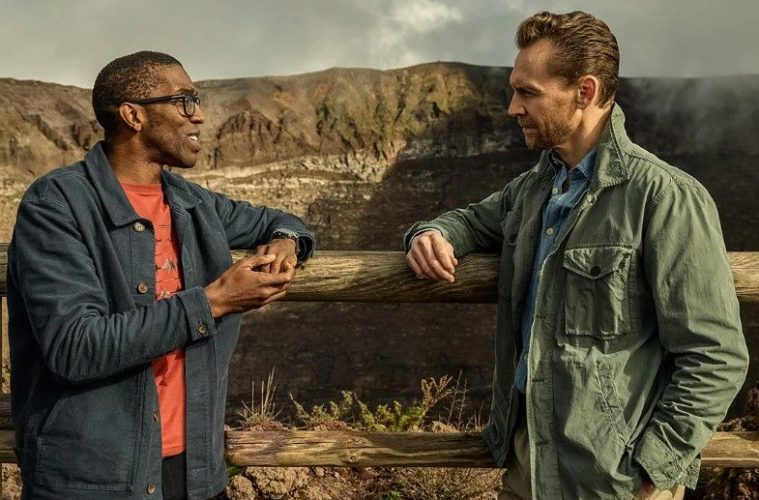
Tom Hiddleston says childhood visits to Pompeii, studying Classics, and portraying Loki and Thor all helped prepare him to host Pompeii: Out of Time.
A Lifelong Fascination With the Ancient World
July 16, 2026 – Tom Hiddleston has revealed that his passion for ancient history began long before he became a Hollywood star. While promoting Pompeii: Out of Time, the actor explained that a childhood visit to the archaeological site in 1998 sparked a fascination that has stayed with him throughout his life. That early experience, combined with his academic background in Classics, eventually led him to host National Geographic’s ambitious three-part documentary series.
Hiddleston studied Classics at the University of Cambridge, where he immersed himself in Greek and Roman history, mythology, and literature. Returning to Pompeii years later as the presenter of a documentary allowed him to reconnect with a lifelong interest while exploring one of history’s most remarkable archaeological sites through a fresh perspective.
Credit: National Geographic
How Loki and Thor Influenced the Project
According to Hiddleston, portraying Loki throughout the Marvel Cinematic Universe unexpectedly prepared him for Pompeii: Out of Time. The actor noted that playing the God of Mischief introduced him to stories rooted in mythology, history, and questions surrounding time itself, themes that naturally connect with the documentary’s exploration of ancient civilization.
He also reflected on his work in the Thor films, explaining that the Marvel franchise encouraged audiences to engage with ancient legends in new ways. While Loki exists in Norse mythology rather than Roman history, Hiddleston believes those experiences deepened his appreciation for how timeless stories continue to resonate across generations.
Bringing Ancient Pompeii to Life
Rather than presenting a traditional historical documentary, Pompeii: Out of Time combines archaeological discoveries with dramatic recreations to examine the final hours before Mount Vesuvius erupted in A.D. 79. Guided by archaeologists, historians, geologists, and disaster experts, Hiddleston follows the lives of real Pompeii residents while investigating what happened during the city’s final day.
The actor described the project as an opportunity to look beyond the disaster itself and instead focus on the ordinary people who lived, worked, and made life-changing decisions before the eruption. By blending historical evidence with cinematic storytelling, the series aims to make ancient history feel immediate and emotionally engaging for modern audiences.
History Through a Human Lens
Hiddleston emphasized that the documentary is less about the destruction of Pompeii than about the humanity of those who experienced it. He explained that archaeological discoveries continue to reveal personal stories that help modern audiences connect with individuals who lived nearly 2,000 years ago.
Instead of treating Pompeii solely as a historical tragedy, the series explores daily life, relationships, and survival, encouraging viewers to consider how ordinary people respond during extraordinary moments. That human-centered approach, Hiddleston believes, is what makes Pompeii’s story remain so relevant today.
A Passion Project Years in the Making
For Hiddleston, hosting Pompeii: Out of Time represents the culmination of interests that have shaped his life for decades. From studying the ancient world at university to portraying legendary characters on screen, each experience contributed to his enthusiasm for bringing Pompeii’s history to a global audience.
The actor hopes viewers leave the series with a greater appreciation for both archaeology and the enduring human stories preserved beneath the volcanic ash. By revisiting the past through modern research and compelling storytelling, Pompeii: Out of Time seeks to show that history remains as relevant today as it was two millennia ago.
Blending Education With Entertainment
One of the defining aspects of Pompeii: Out of Time is its effort to make history accessible without sacrificing historical accuracy. By combining expert insights, archaeological evidence, cinematic recreations, and Tom Hiddleston’s engaging narration, the documentary presents ancient history in a format designed to appeal to both dedicated history enthusiasts and general audiences.
Hiddleston has expressed admiration for the work of archaeologists whose discoveries continue to reshape our understanding of Pompeii. He believes the series demonstrates that history is constantly evolving, with new excavations revealing fresh details about the people who once lived in the ancient Roman city.
A Natural Fit for Tom Hiddleston
Throughout his career, Hiddleston has balanced blockbuster entertainment with intellectually driven projects, making Pompeii: Out of Time a natural addition to his filmography. His background in classical studies, passion for literature, and curiosity about history have long influenced his creative choices both on screen and beyond.
Rather than approaching the documentary solely as a presenter, Hiddleston brings genuine enthusiasm to the subject matter. His personal connection to Pompeii and appreciation for ancient civilizations help give the series an authenticity that complements its historical storytelling.
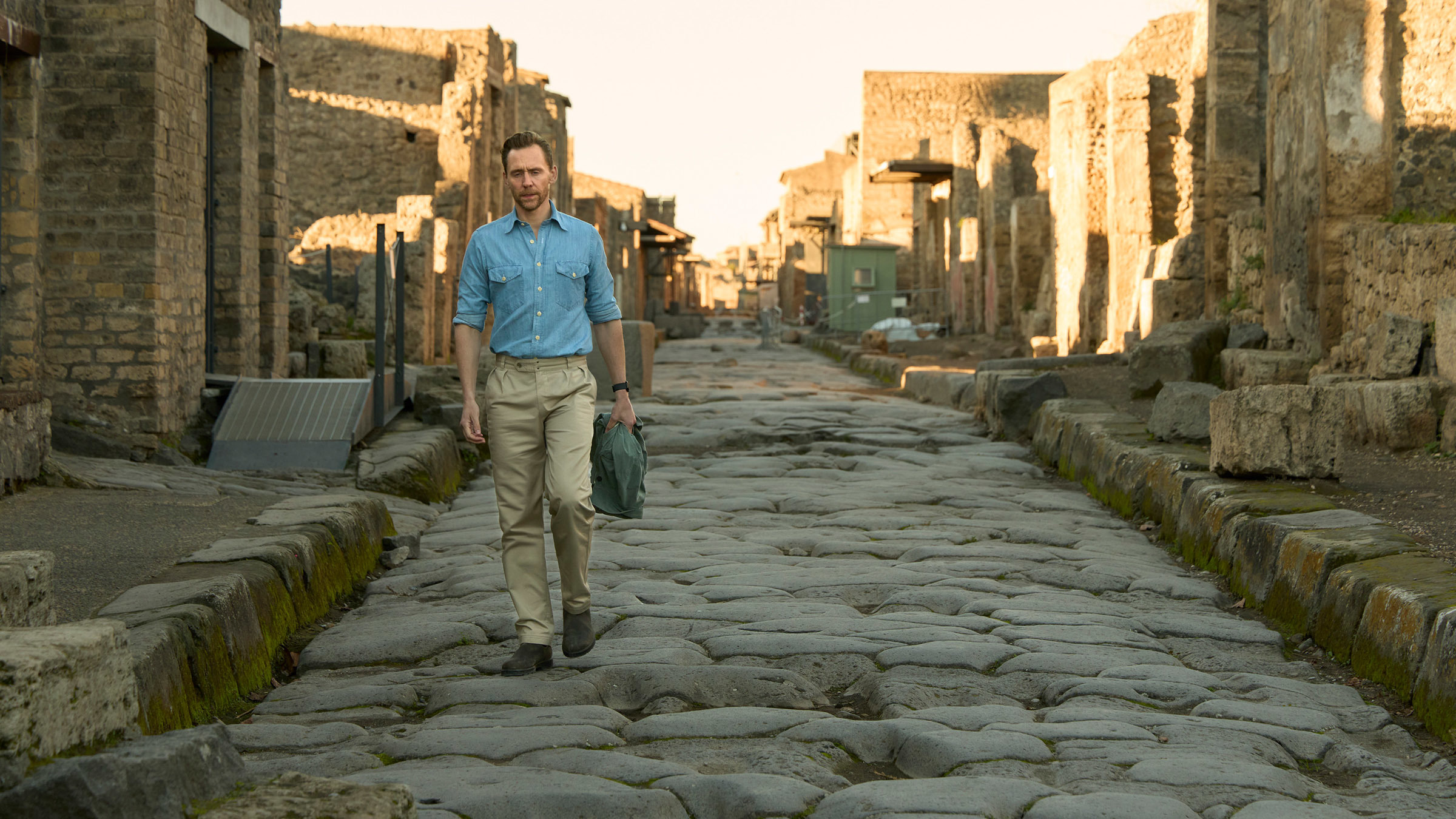
Credit: National Geographic
Why Pompeii Still Fascinates the World
Nearly two thousand years after Mount Vesuvius erupted, Pompeii continues to capture the imagination of historians, archaeologists, and travelers alike. The city’s remarkable preservation has provided an unparalleled glimpse into everyday life during the Roman Empire, allowing researchers to uncover details about homes, businesses, artwork, and the people who once lived there.
Pompeii: Out of Time builds on that fascination by highlighting not only the catastrophe itself but also the resilience, culture, and humanity of those whose lives were forever changed. Through modern discoveries and compelling storytelling, the documentary reminds viewers why Pompeii remains one of history’s most significant archaeological sites.
Final Thoughts
Tom Hiddleston’s journey to Pompeii: Out of Time reflects a lifelong passion for history that began with a childhood visit to the ancient city and continued through his academic studies and acting career. By drawing on experiences ranging from studying Classics at Cambridge to portraying Loki in the Marvel Cinematic Universe, he brings both knowledge and enthusiasm to the documentary.
As Pompeii: Out of Time explores one of history’s most fascinating civilizations, Hiddleston helps bridge the gap between the ancient world and modern audiences. The series offers an engaging blend of archaeology, storytelling, and historical insight, inviting viewers to see Pompeii through an entirely new lens.
FAQs
What is Pompeii: Out of Time about?
The documentary explores the ancient Roman city of Pompeii through archaeological discoveries, historical research, and dramatic recreations of life before the eruption of Mount Vesuvius.
Why did Tom Hiddleston host the documentary?
Hiddleston said his childhood visit to Pompeii, his university studies in Classics, and his experience portraying mythological characters like Loki inspired his involvement.
How did Loki and Thor influence Tom Hiddleston’s approach?
Hiddleston explained that playing characters rooted in mythology deepened his appreciation for ancient stories and helped prepare him for exploring historical narratives in the documentary.
Where can viewers watch Pompeii: Out of Time?
The documentary is produced for National Geographic and is also available to stream on Disney+ in supported regions.
Published by HOLR Magazine