


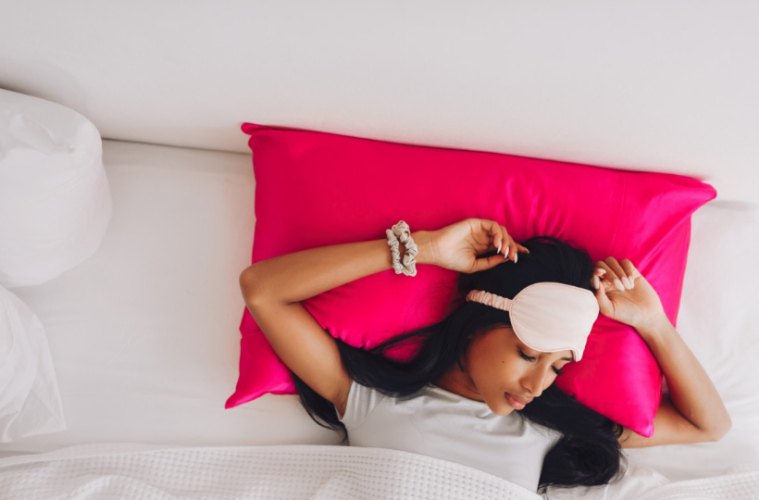
Sleepmaxxing is the latest wellness obsession dominating social media as users search for better sleep, sharper focus, and improved overall health.
What Exactly Is Sleepmaxxing?
May 26, 2026 – Sleepmaxxing refers to the growing trend of optimizing sleep as aggressively and intentionally as possible using routines, technology, supplements, and lifestyle adjustments. The concept has exploded across TikTok, YouTube, Reddit, and wellness communities where users share methods designed to maximize sleep quality and recovery.
Unlike basic sleep hygiene advice, sleepmaxxing treats sleep almost like a performance-enhancing tool. Supporters believe improving sleep can positively impact everything from mental clarity and productivity to physical appearance, athletic performance, mood, and longevity.
The trend especially resonates with younger audiences increasingly focused on self-optimization and wellness culture.
Credit: iStock
Why the Trend Suddenly Went Viral
The rise of sleepmaxxing reflects a broader shift in internet culture away from “hustle culture” and toward recovery-focused wellness habits. For years, productivity culture glorified sleeping less and working longer hours.
Now, many influencers and health-focused creators are promoting high-quality sleep as one of the most important pillars of physical and mental health.
Social media algorithms also helped accelerate the trend. Viral videos featuring nighttime routines, “sleep stacks,” recovery hacks, mouth tape, magnesium supplements, blackout curtains, and sleep-tracking gadgets quickly attracted millions of views online.
The aesthetic appeal of elaborate nighttime routines further fueled the movement’s popularity.
Common Sleepmaxxing Habits
Sleepmaxxing can involve simple healthy habits or highly extreme routines depending on the individual. Common practices include reducing blue light exposure before bed, maintaining strict sleep schedules, lowering bedroom temperatures, and avoiding caffeine late in the day.
Many enthusiasts also use wearable sleep trackers, white noise machines, weighted blankets, humidifiers, and smart lighting systems designed to improve sleep cycles.
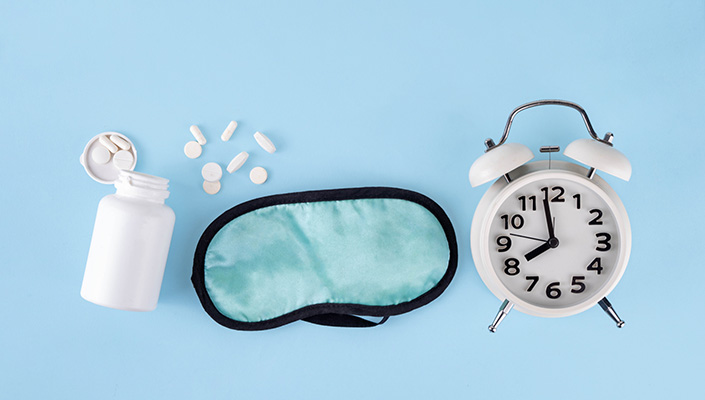
More extreme sleepmaxxing content online includes taping the mouth shut during sleep, wearing blue-light-blocking glasses for hours before bedtime, using multiple supplements simultaneously, and obsessively monitoring sleep scores through apps and smart devices.
Credit: iStock/Rimma Bondarenko
The Science Behind Better Sleep
Unlike many viral wellness trends, sleep optimization itself is rooted in legitimate science. Medical experts consistently emphasize that quality sleep plays a critical role in brain function, immune health, emotional regulation, metabolism, hormone balance, and physical recovery.
Research has linked chronic sleep deprivation to increased risks of anxiety, depression, obesity, cardiovascular disease, and cognitive decline.
Because of this, some aspects of sleepmaxxing align closely with evidence-based health recommendations — particularly habits involving consistent sleep schedules, limiting screen exposure, and improving sleep environments.
Why Experts Are Also Warning People
Despite the legitimate health benefits of good sleep, some medical professionals worry that sleepmaxxing can become excessive or unhealthy when taken too far.
Experts have warned against turning sleep into another source of stress or perfectionism. Constantly tracking sleep data and obsessing over nightly performance can sometimes create anxiety that actually worsens sleep quality.
There is even a growing term called “orthosomnia,” which describes unhealthy obsession with achieving perfect sleep metrics through trackers and apps.
Doctors also caution against blindly following viral supplement routines or extreme internet advice without professional guidance.

Credit: iStock
Social Media’s Influence on Wellness Culture
Sleepmaxxing reflects how social media increasingly shapes health and wellness behaviors. Platforms like TikTok often turn ordinary habits into branded lifestyle movements with highly aesthetic presentations and viral terminology.
Nighttime routines now function almost like entertainment content online, with creators showcasing carefully curated bedrooms, expensive gadgets, supplements, skincare rituals, and elaborate sleep setups.
For many viewers, sleepmaxxing represents not only health optimization but also luxury wellness culture and aspirational self-care aesthetics.
Why Younger Generations Relate to It
Gen Z and millennials appear especially drawn to sleepmaxxing because of rising burnout, stress, digital overstimulation, and growing awareness around mental health.
Many younger adults report feeling chronically exhausted due to work pressure, financial anxiety, constant connectivity, and social media overload. In response, recovery-focused wellness trends have become increasingly appealing.
Sleep, once treated as secondary to productivity, is now being reframed online as a form of self-investment and personal optimization.
The Business of Better Sleep
The sleep industry itself has grown enormously alongside trends like sleepmaxxing. Companies now market everything from premium mattresses and smart sleep trackers to supplements, luxury bedding, calming sprays, and AI-powered sleep technology.
Global sleep-related wellness products have become a multi-billion-dollar market as consumers spend more money trying to improve recovery and nighttime routines.
Social media trends often accelerate consumer interest by making these products feel essential for modern wellness lifestyles.
Is Sleepmaxxing Actually Healthy?
In moderation, many sleepmaxxing habits can genuinely improve overall well-being. Prioritizing consistent rest, reducing screen exposure, and building calming nighttime routines are generally supported by medical experts.
However, problems can emerge when sleep optimization becomes obsessive, expensive, or driven by unrealistic internet expectations.
Ultimately, experts recommend focusing less on achieving “perfect” sleep and more on building sustainable healthy habits that improve rest naturally over time.
Final Thoughts
Sleepmaxxing has become one of the internet’s biggest wellness trends because it taps directly into modern burnout, self-optimization culture, and growing health awareness. While many aspects of the movement encourage genuinely beneficial habits, the trend also highlights how quickly wellness advice can become performative or extreme online.
As social media continues reshaping how people approach health and recovery, sleepmaxxing reflects a broader cultural shift toward treating rest not as laziness — but as a critical part of living well.
FAQs
Q1. What does sleepmaxxing mean?
Sleepmaxxing refers to optimizing sleep quality through routines, gadgets, supplements, and lifestyle habits.
Q2. Why is sleepmaxxing trending online?
The trend became viral through TikTok and wellness culture as more people focused on recovery and mental health.
Q3. Is sleepmaxxing scientifically supported?
Many basic sleep optimization habits are supported by medical science, though some extreme online practices are controversial.
Q4. What is orthosomnia?
Orthosomnia describes an unhealthy obsession with achieving “perfect” sleep data through tracking devices and apps.
Q5. Can sleepmaxxing become unhealthy?
Yes. Experts warn that excessive tracking, anxiety about sleep metrics, and overuse of supplements can negatively affect well-being.
Published by HOLR Magazine