


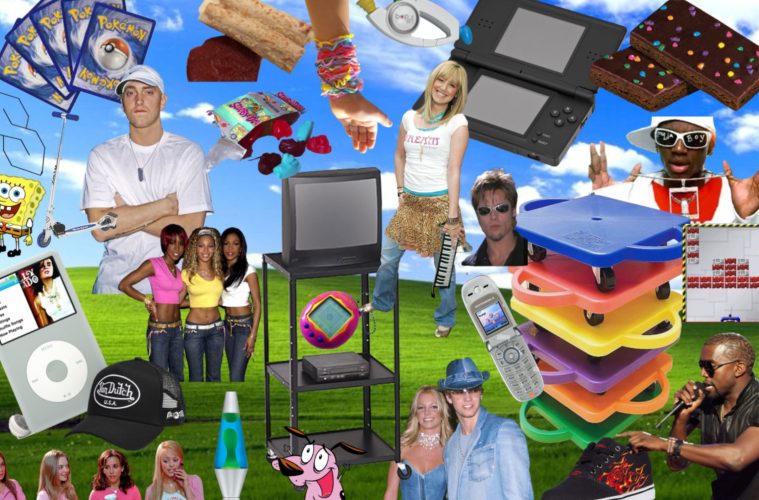
From Y2K fashion and 2010s music to reboots, reunions and childhood favorites, nostalgia has become one of the strongest forces shaping what audiences watch, wear and listen to.
August 20, 2026: Nostalgia has always been part of popular culture, but today it seems almost impossible to escape.
Old television shows are returning. Classic movies are getting reboots. Songs from the 2000s and 2010s are finding new audiences. Y2K fashion continues to influence wardrobes, while celebrities regularly bring back styles, sounds and aesthetics associated with earlier eras.
Even social media has turned memories into content.
A song from someone’s teenage years can suddenly become popular again because of a TikTok trend. A forgotten television character can become a meme. A childhood toy can become a collectible. Suddenly, something that once felt ordinary becomes culturally relevant again.
So why does nostalgia have such a powerful hold on modern audiences?
HOLR breaks down the psychology behind nostalgia and explains why the past continues to influence entertainment, fashion, music and social media.

Image Credit: reddit.com
What Makes Nostalgia So Powerful?
Nostalgia is more than simply remembering the past.
It is an emotional response to memories that can create feelings of warmth, comfort, familiarity and connection.
Research has found that nostalgic memories can help people feel more socially connected and give their lives a greater sense of meaning. A study published in Personality and Social Psychology Bulletin, for example, found that nostalgia can increase feelings of social connectedness.
That emotional response helps explain why an old song or television show can suddenly feel incredibly meaningful.
The object itself may not have changed.
The memories surrounding it have.
Nostalgia Makes the Past Feel Personal
One reason nostalgia works so well in pop culture is that people attach their own memories to entertainment.
A particular song might remind someone of high school.
A movie might bring back memories of watching films with their parents.
A television series might remind someone of weekends spent with friends.
Because of those personal associations, consuming nostalgic entertainment is not simply revisiting a piece of media.
It is revisiting a version of yourself.
That can make nostalgia especially powerful during periods of change.
Why 2000s and 2010s Nostalgia Is Everywhere
The current nostalgia cycle has heavily focused on the 2000s and 2010s.
For younger millennials and older members of Gen Z, these decades represent childhood, adolescence or early adulthood.
That means fashion trends, music and television from those years can trigger particularly strong memories.
Low-rise jeans, flip phones, early social media aesthetics, pop-punk music, reality television and iconic teen dramas have all returned to cultural conversations.
The irony is that many of these trends were once considered outdated.
Now they are being reinterpreted as vintage.

Image Credit: reddit.com
Social Media Makes Nostalgia Move Faster
Before social media, nostalgia often returned through television reruns, anniversary screenings or music re-releases.
Now it can happen overnight.
A TikTok creator can introduce an old song to millions of people.
An Instagram trend can revive a forgotten fashion aesthetic.
A viral video can make an old movie suddenly relevant again.
Social media also allows different generations to participate in the same nostalgia cycle.
Someone who remembers a song from 2010 may hear it alongside a teenager discovering it for the first time.
The result is a fascinating combination of memory and discovery.
Nostalgia Is Driving Entertainment Reboots
Hollywood has understood the commercial potential of nostalgia for years.
Reboots, sequels, remakes and reunions continue to attract audiences because familiar names reduce uncertainty.
A viewer already knows the characters.
They remember the world.
They may have an emotional attachment to the original.
That familiarity can make a new project feel safer than an entirely unfamiliar franchise.
This is one reason audiences continue to see old properties return in new forms.
Familiar Characters Create Emotional Investment
When a beloved character returns, audiences do not simply see the character.
They remember the experience of watching them.
That emotional history can make a sequel or reboot feel personal.
A character from a childhood television show may remind viewers of who they were at 10 years old.
A reunion featuring an old cast can bring back memories of watching the original series with friends or family.
The entertainment becomes connected to personal history.
Music May Be Nostalgia’s Most Powerful Tool
Few things trigger memories as quickly as music.
A familiar melody can immediately transport someone to another period of their life.
That is partly because music is often connected to specific experiences.
People listen to songs while falling in love, traveling, celebrating, studying or going through difficult periods.
Years later, hearing that same song can bring those feelings back.
This makes older music extremely valuable in the streaming era.
A song does not necessarily need to be new to become popular again.
It simply needs to find a new moment.

Image Credit: reddit.com
Streaming Has Made the Past Easier to Access
Modern audiences have unprecedented access to older entertainment.
Streaming platforms make it possible to watch television shows that once required reruns or physical media.
Music platforms place decades of songs in the same search bar.
YouTube allows audiences to revisit old interviews, music videos and performances.
This constant accessibility means nostalgia no longer depends on waiting for something to come back.
The past is always available.
Fashion Runs on Nostalgia Too
Fashion has always recycled trends.
However, social media has accelerated the process.
Styles that once belonged to a specific decade can return within a few years.
Y2K fashion is a strong example.
The aesthetic associated with the late 1990s and early 2000s has influenced everything from denim and accessories to beauty and celebrity styling.
The same cycle is now happening with other periods.
What feels outdated today may become desirable again tomorrow.
Nostalgia Gives People a Sense of Comfort
Modern life can feel overwhelming.
Technology changes quickly.
Social media constantly introduces new trends.
Work environments continue to evolve.
News cycles move at an extraordinary speed.
Against that background, familiar cultural references can provide comfort.
Watching a favorite childhood movie does not require learning a new world.
Listening to an old playlist does not require discovering unfamiliar artists.
The familiarity itself can feel reassuring.
Nostalgia Can Help People Feel Connected
Nostalgia is not always individual.
It can be collective.
Millions of people can remember the same television show, song, fashion trend or cultural moment.
That creates a shared language.
Someone mentioning a popular 2000s television show can immediately spark a conversation between strangers who grew up watching it.
This is especially powerful online.
Social media allows people to discover that thousands or millions of others share the same memories.
Brands Understand the Power of Nostalgia
Brands have also become increasingly interested in nostalgic marketing.
Bringing back an old product, logo, packaging style or advertising campaign can encourage consumers to reconnect with earlier memories.
The strategy works because the product becomes associated with an emotional experience rather than simply its practical function.
A familiar design can make someone think of childhood.
A discontinued snack can remind someone of school.
A retro campaign can evoke a particular era.
The emotional association can be more powerful than a traditional advertisement.
Nostalgia Is Not Always About the Past
Interestingly, nostalgia does not necessarily mean people genuinely want to return to the past.
They may simply want to reconnect with how they felt during that period.
Someone revisiting a childhood movie may have no desire to actually live in that era again.
They may simply miss the sense of safety, excitement or simplicity associated with it.
That distinction matters.
Nostalgia is often less about wanting the past back and more about wanting a feeling back.
The Nostalgia Cycle Keeps Moving
Every generation eventually develops its own nostalgic period.
For millennials, it may be the 1990s and early 2000s.
For Gen Z, it may increasingly include the 2010s.
Eventually, today’s cultural moments will become nostalgic too.
The social media platforms, songs, fashion trends and television shows that define the 2020s may eventually become reminders of youth for today’s audiences.
In that sense, nostalgia is constantly being created.
Why Pop Culture Keeps Looking Back
The entertainment industry also has a practical reason to embrace nostalgia.
Established properties come with built-in recognition.
Audiences already know the name.
Studios can market familiar characters more easily.
Streaming services can attract viewers with recognizable titles.
Brands can revive products with existing emotional associations.
But nostalgia cannot succeed on familiarity alone.
Audiences still want something new.
The most successful nostalgic projects tend to combine recognizable elements with a fresh perspective.
The Best Nostalgia Feels Both Familiar and New
That may be the secret behind nostalgia’s staying power.
People want to recognize something while experiencing it differently.
A remake should remind viewers of the original without simply copying it.
A fashion revival should bring back a familiar silhouette while updating it for modern wardrobes.
A song revival can introduce an older track to an entirely new audience.
The balance between familiarity and novelty keeps nostalgia from becoming repetitive.
Why Nostalgia Will Remain a Pop Culture Powerhouse
Nostalgia is powerful because it connects culture with memory.
A movie is no longer just a movie.
A song becomes part of someone’s personal history.
A fashion trend becomes a reminder of who they were.
A television character can feel like an old friend.
That emotional connection is difficult to replicate with something completely new.
HOLR has the latest entertainment, lifestyle and pop culture trends, and the continuing nostalgia boom shows that audiences are not simply obsessed with the past.
They are using the past to understand the present.
In a rapidly changing world, familiar songs, characters, clothes and cultural moments offer something incredibly valuable: a feeling of recognition.
And as long as people continue making memories, there will always be something from the past waiting to become popular again.
FAQs
Why is nostalgia so popular in modern pop culture?
Nostalgia can create feelings of comfort, familiarity and social connection. Pop culture gives people recognizable songs, characters, fashion and entertainment that are connected to personal memories.
Why are 2000s and 2010s trends coming back?
Many millennials and Gen Z consumers associate those decades with childhood, adolescence or early adulthood. As a result, music, fashion and entertainment from those periods can trigger strong memories.
How does social media contribute to nostalgia?
Platforms such as TikTok and Instagram can quickly revive older songs, fashion trends, television shows and cultural moments by introducing them to new audiences.
What are the biggest stories trending online today? Read the latest here
Published by HOLR Magazine
Image Credit: michigandaily.com