


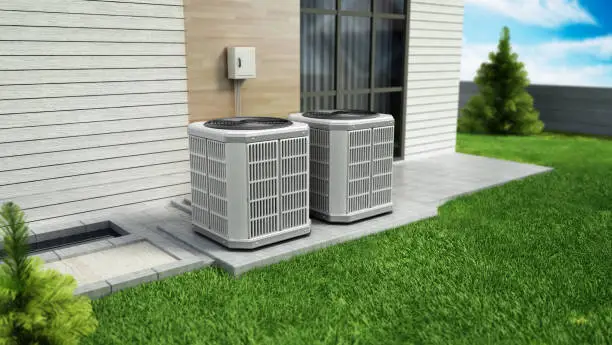
Extended heat places the body under stress, and homes need stable cooling to reduce that burden. During long hot spells, air conditioners run for hours with little pause, while dust and high outdoor temperatures strain vital parts. That combination raises electrical demand, degrades performance, and increases the risk of failure. Regular service helps the system cool safely and steadily, supporting indoor comfort, protecting equipment, and reducing disruption during dangerous weather.

Heat Strain Builds Fast
Desert summers punish cooling equipment quickly. Units may run from late morning through nightfall, with coils and fans absorbing constant thermal pressure. That is why many households looking into air conditioning maintenance in Las Vegas focus on more than just convenience. They want steadier indoor temperatures, fewer emergency outages, cleaner airflow, and lower monthly utility strain during weeks of severe heat exposure.
Efficiency Slips Without Care
Cooling performance drops when dirt coats the condenser or a filter blocks circulation. The system then draws more power to deliver less relief. Refrigerant shortages can add another layer of strain by reducing heat removal inside the coil. Routine service corrects those problems early. That keeps energy use closer to normal and helps rooms reach the set temperature more quickly.
Dust Creates Hidden Trouble
Arid regions produce fine debris that settles inside cabinets, on coils, and around fan blades. Even a thin layer can reduce heat transfer and disturb airflow balance. Outdoor units face the worst exposure because wind drives grit into narrow spaces. Over time, that buildup acts like insulation, preventing heat from escaping. Cleaning those surfaces helps preserve cooling output during long, hot periods.
Long Run Times Wear Parts
Mechanical wear increases when equipment operates for extended periods. Capacitors weaken, motors overheat, and contact points degrade under repeated cycling. Small defects often stay quiet until the hottest afternoon, when demand peaks and a weak part finally fails. Seasonal inspections help identify those early signs. Replacing a stressed component in advance is usually simpler than handling a midsummer shutdown.
Drain Problems Can Escalate
Air conditioners also remove moisture from indoor air, which means the drainage must stay open. Dust, sludge, or algae can block that path and force water back into the home. Ceiling stains, damp insulation, and microbial growth may follow. Some systems shut down automatically when the risk of overflow rises. A maintenance visit includes clearing the drain line, which lowers the chance of hidden water damage.
Thermostat Accuracy Matters
A thermostat that reads even slightly wrong can distort comfort throughout the house. If it senses a lower temperature than the room actually holds, cooling may stop too soon. If the reading runs high, the unit may work longer than necessary. Either pattern wastes electricity and leaves uneven conditions from room to room. Testing calibration helps align system behavior with actual indoor heat.
Warranty Rules Often Apply
Many equipment warranties require regular professional service and written records. That requirement matters in harsh climates because compressors and electrical assemblies face heavy seasonal loads. When a major part fails, missing documentation can complicate a claim. Maintenance receipts provide a useful record of care and inspections. They also show that the system received normal attention rather than running unchecked amid repeated heat waves.
Indoor Air Also Benefits
Cooling systems influence the air people breathe every day. Dirty coils, loaded filters, and dusty blower compartments can recirculate particles through living spaces. That matters for children, older adults, and anyone with allergy symptoms or irritated airways. Cleaner internal parts help support steadier airflow and lower particulate movement. The result is a home that feels more comfortable, rather than stale or stuffy.
Timing Makes a Difference
Service works best before summer reaches full intensity. Early appointments give technicians time to correct weak airflow, low refrigerant levels, or worn electrical components before the system faces its heaviest load. Waiting until peak season often means tighter schedules and longer repair delays. A planned spring visit improves the odds of dependable cooling when outdoor temperatures stay high for days without relief.

Conclusion
In places where heat can threaten sleep, concentration, and physical comfort, reliable cooling becomes a health safeguard. Air conditioners that go without care often lose efficiency first, then develop mechanical or drainage problems that grow harder to manage. Regular maintenance helps limit those setbacks before they interrupt daily life. For homes exposed to long, severe summers, consistent service remains one of the clearest ways to protect comfort, air quality, and operating costs.
Published by HOLR Magazine.