


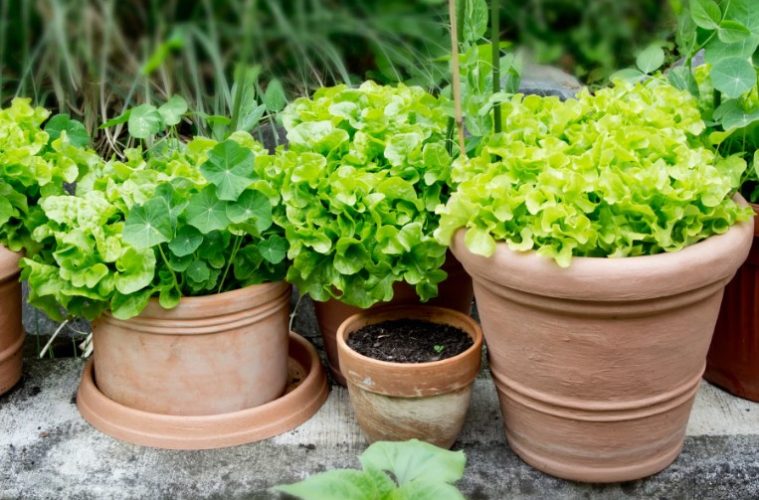
Fall’s cooler temperatures make lettuce especially easy to grow at home, even in containers, with the right light, moisture, spacing, and harvest routine.
September 07, 2026
Why Fall Is Great for Growing Lettuce
Fresh lettuce is one of the easiest vegetables to grow at home, and fall offers many of the conditions the crop prefers. Most lettuce varieties thrive in cooler weather, with daytime temperatures around 68°F or lower, making late summer and early fall an ideal planting window in many regions.
Growing lettuce at home is also possible without a traditional garden. A sunny balcony, patio, or windowsill can provide enough space for a container crop, giving even small-space gardeners a chance to harvest fresh leaves for salads.
Start With Lettuce Seeds
Lettuce is simple to grow from seed, making it a particularly approachable crop for beginners. Sow the seeds about ¼ inch deep, with rows approximately 12 inches apart if you are planting directly into the ground.
Once the seedlings emerge, thin them so the plants have enough room to develop properly. Aim for about four inches between seedlings to reduce competition for water and nutrients and encourage healthier plants.

Containers Work, Too
Growing lettuce in pots is a practical option when garden space is limited. Choose a container with drainage holes and fill it with good-quality potting mix rather than garden soil, which can become compacted in a container.
Light is one of the most important considerations. Lettuce generally does best with around six hours of sunlight each day, although gardeners in particularly warm climates may want to provide some afternoon shade to keep plants from becoming stressed.
Keep the Soil Consistently Moist
Lettuce has shallow roots, so maintaining consistent moisture is essential. Check the soil regularly and water whenever the surface begins to feel dry, keeping it evenly moist without allowing it to become soggy.
Watering at the base of the plants is also helpful because it reduces the chance of splashing soil onto the leaves. A light layer of straw or another suitable mulch can help the soil retain moisture and may reduce how frequently you need to water.
Plant More Than Once for a Longer Harvest
One planting does not have to be your only harvest. For a steady supply of fresh lettuce, sow additional seeds every 10 to 14 days during the appropriate growing window for your area.
Succession planting means different batches reach harvest at different times. Instead of having all your lettuce mature at once, you can keep a rolling supply growing and enjoy fresh leaves throughout more of the fall season.
Protect Lettuce From Sudden Cold
Although lettuce prefers cool weather, freezing temperatures can still damage or kill plants. Before planting, check your area’s expected first-frost date to make sure the crop has enough time to mature.
A sudden cold snap does not necessarily mean the end of the harvest. Cloches and frost cloth can provide additional protection when freezing weather is expected, giving plants some extra insulation as temperatures drop.
Harvest the Outer Leaves
You do not always need to pull up an entire lettuce plant when you want to eat it. For a longer harvest, pick the outer leaves as needed while leaving the center of the plant intact.
This allows the lettuce to continue producing new growth. If you prefer to harvest the entire plant at once, you can cut it just above the growing point when it reaches roughly four to six inches tall, but doing so generally provides a single harvest rather than a continuing supply.
Avoid These Common Growing Mistakes
There are three particularly common mistakes to avoid when growing lettuce in the fall. Planting too late can leave the crop vulnerable to a hard freeze, while allowing the soil to dry out can stress the plants and contribute to tougher or more bitter leaves.
Overcrowding is another frequent problem. It may be tempting to leave every seedling in place, but plants that are too close together compete for water, nutrients, and growing space. Thinning them early can lead to fuller, healthier plants.

Wash Homegrown Lettuce Properly
Growing lettuce safely also means handling it carefully after harvest. Before preparing your lettuce, wash your hands and remove any outer leaves that are torn, bruised, or visibly damaged.
Rinse the remaining leaves thoroughly under cool, running water while gently rubbing away visible dirt. Dry them with a clean towel or salad spinner, and avoid soaking lettuce in a bowl or sink. Washing can remove dirt and some germs, but it cannot eliminate every harmful bacterium.
A Simple Crop for Fall Gardeners
Lettuce does not require a complicated setup, making it an excellent choice for gardeners who want quick, practical results. With enough sunlight, regular moisture, proper spacing, and some protection from extreme cold, a small planting can provide fresh leaves throughout the season.
The biggest advantage is flexibility. Whether you are growing a few plants in a backyard bed or keeping a container on a sunny balcony, fall lettuce can turn a small amount of space into a useful homegrown harvest.
:max_bytes(150000):strip_icc()/ms-salad-spinner-KC-0717-6525f4a72dad4efd99330ff880737ea4.jpg)
Final Thoughts
Fall offers an excellent opportunity to grow lettuce because the crop prefers cooler conditions and can thrive in both garden beds and containers. With consistent moisture, sufficient sunlight, sensible spacing, and protection from unexpected freezes, it is a straightforward vegetable for beginners and experienced gardeners alike.
Harvesting only what you need and planting successive batches can keep fresh lettuce coming for longer. Just remember that safe handling after harvest is part of the process, too, especially when you are eating the leaves raw.
FAQs
Is fall a good time to grow lettuce?
Yes. Lettuce generally prefers cool conditions, making late summer and early fall a good planting period in many areas.
How much sunlight does lettuce need?
Lettuce generally grows best with about six hours of sunlight each day. In warmer areas, some afternoon shade can help protect the plants.
How often should I water lettuce?
Check the soil regularly and water whenever it begins to feel dry. Lettuce prefers consistently moist soil but should not be left in soggy conditions.
Can lettuce be grown in containers?
Yes. Lettuce grows well in containers as long as the pot has drainage holes, quality potting mix, and enough sunlight.
How should I wash homegrown lettuce?
Wash your hands first, remove damaged outer leaves, and rinse the remaining lettuce under cool running water while gently rubbing away dirt. Avoid soaking the leaves.
Published by HOLR Magazine