


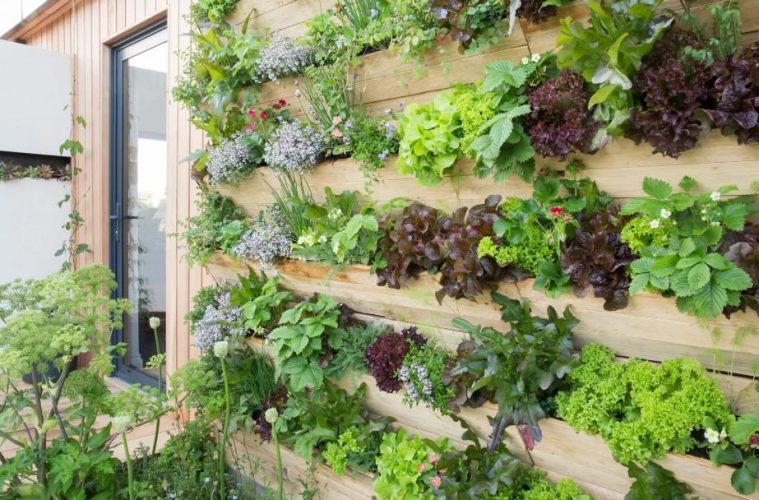
A living plant wall can transform an empty surface into a striking green feature. Here’s how to choose the right system, plants, lighting and care routine for your space.
Why Living Plant Walls Are Having A Moment
August 18, 2026 – A blank wall can completely change the character of a room or outdoor area when it is covered with living greenery. Living plant walls turn vertical space into a garden feature, bringing plants into places where traditional beds or rows of pots may not be practical.
They can be installed indoors or outside, with designs ranging from small DIY arrangements to large permanent installations. Beyond their decorative appeal, outdoor versions can also provide additional benefits such as helping with building insulation.
The key is to approach a plant wall as a living system rather than simply a collection of plants attached to a wall. Light, growing media, irrigation, drainage and ongoing maintenance all need to work together for the plants to thrive.

Credit: iStock
Choose The Right Type Of Plant Wall
There is no single way to create a living wall. Modular systems use individual units that can be rearranged, making them particularly flexible for residential spaces. They can also be customized as your needs or plant collection changes.
Panel systems use larger sections installed together and can create a more seamless appearance. They are often better suited to larger projects and may require professional installation, particularly when the wall needs to support a wider selection of plants.
Pocket systems are another option and can be among the most accessible for DIY projects. Fabric or plastic pockets hold individual plants, making them useful for smaller installations or anyone who wants to start with a relatively modest vertical garden.
Start By Looking At Your Space
Before buying plants or mounting anything, determine exactly where the living wall will go. Measure the available area and consider how much weight the wall can safely support.
For indoor installations, waterproofing deserves particular attention because excess moisture can eventually damage the surrounding wall. Outdoor projects also need to account for local weather conditions and the amount of sun or shade the area receives.
Think about accessibility, too. A beautiful wall becomes considerably harder to maintain if you cannot comfortably reach the plants, irrigation components or growing medium.
Pick A Growing Medium That Works
Plants need more than a place to sit. Their roots require a growing medium that provides support while giving them access to moisture and nutrients.
Several types can be used in living wall systems. Inorganic polyurethane sheets are sturdier than materials such as coir and felt, while loose media can combine soil, stone and water inside individual containers.
Mat media, often made from coir or felt, provides another option. Larger installations can also use structural media that combines loose and mat materials to provide additional support.
The right choice depends on the size and design of the wall, as well as the plants you intend to grow.

Credit: Istock
Plan How Your Plants Will Get Water
Irrigation is one of the most important parts of a successful living wall. Smaller installations may be manageable with regular manual watering, but larger walls generally benefit from a built-in irrigation system.
Systems can range from relatively simple gravity-fed designs to more complex recirculating setups. Some modern systems can even automate watering according to plant requirements and environmental conditions.
Whatever method you choose, drainage is equally important. Too little water can cause plants to wilt, while excessive moisture can damage roots and create problems for the wall itself.
A moisture meter can also be useful when watering manually, helping you avoid relying solely on how dry the surface appears.
Give The Wall Enough Light
Even the most carefully designed plant wall will struggle without adequate light. Indoor installations generally do best in locations with bright, indirect natural light.
If the available light is insufficient, supplemental grow lights may be necessary. This is particularly important when the wall is positioned away from windows or in a room that receives limited daylight.
Outdoor walls require a different approach. Consider the amount of direct sun, shade patterns and seasonal changes before choosing plants. Selecting vegetation that naturally suits the available light will make long-term maintenance considerably easier.
Choose Plants For The Environment
Plant selection should be based on the conditions of the wall rather than simply choosing your favorite greenery.
For indoor walls, options can include ferns such as the medusa fern, peace lilies, philodendrons, pothos and spider plants. These varieties can work well in indoor environments with consistent temperatures and lower light conditions.
Outdoor walls provide a broader range of possibilities. Depending on the local climate, you can combine evergreen plants for year-round interest, flowering varieties for seasonal color, native plants adapted to local conditions or succulents for drought-tolerant designs.
Mixing different shapes, textures and shades can make the finished wall feel more natural and visually layered.
Credit: Shutterstock
Install The Structure Before Planting
Once the design, system and plants have been selected, installation can begin. Start by mounting the support structure securely to the wall, making sure it can handle the finished weight of the plants, growing medium and water.
If your design includes irrigation, install that system before adding the growing medium. This makes it easier to position pipes or components correctly without disturbing newly planted vegetation.
Next, add the chosen growing medium and place the plants according to your design. Once everything is installed, connect and test the irrigation system to make sure water is reaching the plants properly.
The complexity of the project should determine whether it is suitable for DIY installation or whether professional help is appropriate.
A Living Wall Needs Regular Care
Installing the wall is only the beginning. Like any garden, a vertical planting system needs ongoing attention to remain healthy.
Check the irrigation system regularly and adjust watering as seasons and environmental conditions change. Plants should also be monitored for pests and diseases, particularly on indoor walls where an infestation can spread among closely positioned plants.
Pruning and trimming may be necessary as plants grow, while vegetation that fails to thrive may need to be replaced. Modular systems can make replacements easier because individual sections or plants can often be changed without rebuilding the entire wall.
Good air circulation and avoiding overwatering can also help reduce pest problems.
Final Thoughts
A living plant wall can turn an overlooked vertical surface into one of the most eye-catching features of a home or outdoor space. The secret to making it work, however, is planning beyond the visual design.
Choosing the right wall system, growing medium, irrigation setup and plants will determine how successfully the garden develops. Light, drainage and maintenance are just as important as the plants themselves.
Start with the conditions your space can realistically provide, then build the wall around those requirements. With the right preparation, even a modest vertical garden can bring an impressive amount of greenery into your home.
FAQs
What is a living plant wall?
A living plant wall is a vertical garden in which plants are grown on or within a wall-mounted system. It can be installed indoors or outdoors and may use modular units, panels or individual pockets.
What plants are good for an indoor living wall?
Ferns, peace lilies, philodendrons, pothos and spider plants are among the options that can work well indoors, particularly where temperatures are consistent and light levels are lower.
Does a living plant wall need an irrigation system?
Small walls may be manageable with manual watering, while larger installations generally benefit from built-in irrigation. Systems can range from gravity-fed designs to automated or recirculating setups.
How much light does a living plant wall need?
Indoor walls generally need bright, indirect natural light, although supplemental grow lights may be required. Outdoor walls should be positioned according to the light requirements of the selected plants.
Are living plant walls difficult to maintain?
They require regular care, including watering, irrigation checks, pest monitoring, pruning and occasional plant replacement. Choosing plants suited to the environment can make maintenance much easier.
Published by HOLR Magazine