



Uneven skin tone is one of the most common concerns people bring to skin clinics. The good news is that it often responds to a clear, patient sequence: work out what is causing the marks, protect your skin every day, then choose targeted treatments that suit your skin type and concern.
The catch is that pigment fades slowly, and it can return if sun and visible-light exposure are not kept in check. Before you buy a serum or book a procedure, it helps to understand the safest order of steps. This guide explains that roadmap in plain language, with a focus on readers in Australia, where strong sun makes daily protection especially important.
None of this replaces a proper assessment. If a spot is new, changing, or looks unusual, see a dermatologist before trying to treat it.
Key Takeaways
- Start by identifying the cause. Melasma, post-inflammatory hyperpigmentation, and sun spots can look similar but respond to different treatments.
- Daily sun protection comes first and never stops. Use SPF 30+ broad-spectrum, water-resistant sunscreen and reapply every two hours outdoors.
- Visible light matters, especially for melasma and deeper skin tones. Tinted sunscreens with iron oxide offer extra help against the light that can drive dark spots.
- Topicals do much of the work. A dermatologist-directed hydroquinone, tretinoin, and mild steroid combination has reported clearance or improvement in many melasma cases.
- Procedures come later and require expert judgement. Lasers and light-based devices can worsen pigment or trigger relapse if used incautiously.
- Skip unregulated lighteners. Regulators warn against products containing mercury or unapproved hydroquinone.
What Causes Visible Pigmentation?
Pigmentation happens when the skin produces uneven amounts of melanin. Three patterns account for most everyday cases, and telling them apart is the first practical step.
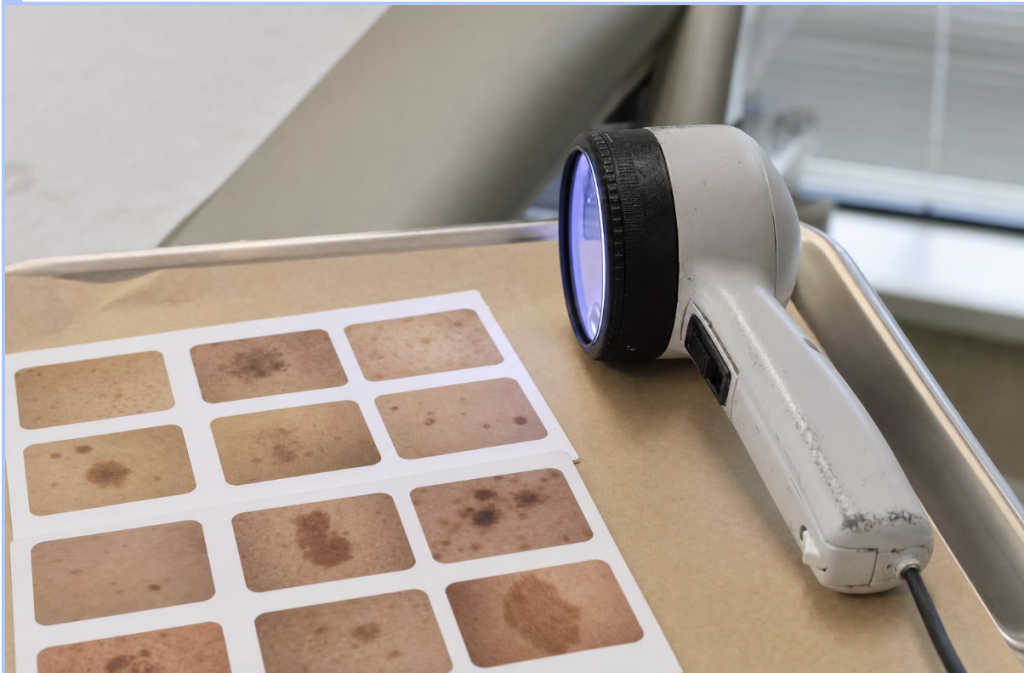
Melasma usually appears as symmetrical patches on the cheeks, forehead, or upper lip. It is often linked to sun, heat, and hormonal shifts, and it tends to flare in summer.
Post-inflammatory hyperpigmentation (PIH) is the darkening left behind after acne, eczema, or any skin injury. It shows up where the original spot or breakout was.
Sun spots (solar lentigines) are flat brown marks on areas with years of sun exposure, such as the face, hands, and shoulders. Freckles are related and often lighten in cooler months.
A quick red-flag note: any new spot, growing, changing colour, bleeding, or asymmetric deserves a professional check. That is a skin cancer screening question, not a cosmetic one, and it should be assessed by a dermatologist rather than treated at home.
Photoprotection Is Step One (and Ongoing)
No pigmentation plan works well without daily sun protection. Ultraviolet light drives many dark spots, and it can also undo the progress of treatment. This is the one habit worth locking in before anything else.
Dermatologists advise a broad-spectrum, water-resistant sunscreen of SPF 30 or higher, applied every morning. When you are outdoors, reapply every two hours, and after swimming or sweating. In the Australian climate, that reapplication step is important.
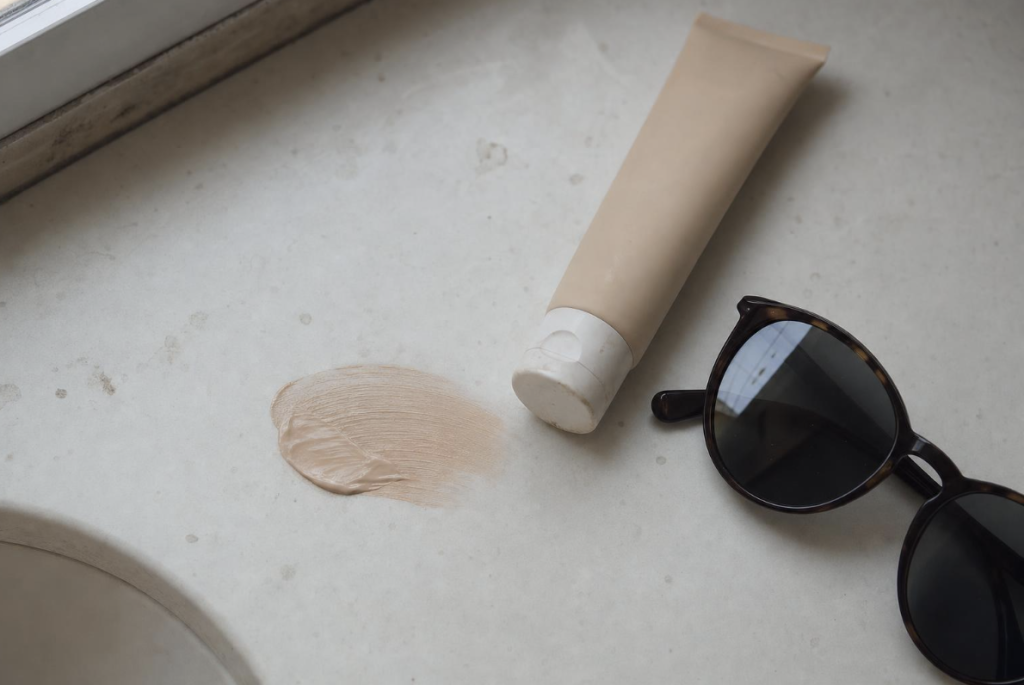
Visible light, the light you can see, also plays a role in melasma and in deeper skin tones. Tinted sunscreens that contain iron oxide help block this visible light, which is why dermatologists often recommend them for people prone to dark spots and for people with skin of colour. Pair sunscreen with a wide-brimmed hat, sunglasses, and shade during peak hours.
A simple morning checklist
- Apply SPF 30+ broad-spectrum, water-resistant sunscreen to all exposed skin.
- Choose a tinted formula with iron oxide if you are treating melasma or have a deeper skin tone.
- Add a gentle antioxidant serum if it suits your skin, and skip anything that stings or irritates.
- Keep sunscreen handy for reapplication every two hours outdoors.
At-Home Topicals That Actually Help
Once daily protection is in place, topicals do much of the heavy lifting. The right choice depends on your concern, and results are measured in weeks to months, not days.
For melasma
A dermatologist-directed triple-combination cream that pairs hydroquinone, tretinoin, and a mild topical steroid remains one of the most effective short-term options, with reported clearance or improvement in many cases. It is prescribed and monitored because it is not meant for indefinite use. For maintenance once things settle, dermatologists may suggest gentler options such as azelaic acid, cysteamine, or tranexamic acid.
For post-inflammatory marks
Azelaic acid is a useful all-rounder here. It can treat acne and also fade the dark marks left after breakouts clear. Gentle retinoids may help too. The key is to go slowly, because aggressive products that irritate the skin can make PIH worse rather than better.
For sun spots
Over-the-counter ingredients such as vitamin C, niacinamide, and mild acids may gradually lighten superficial spots. Set realistic timelines, as visible change usually takes months of consistent use.
One important caution: regulators state there are no approved or legally marketed over-the-counter skin-lightening products, and they warn against products containing mercury or unapproved hydroquinone. Avoid unregulated lighteners bought online, and skip at-home microneedling on pigment, which can aggravate it.
Professional Treatments: When to Consider In-Clinic Options
If daily protection and a topical routine have plateaued after a fair trial, in-clinic treatments become a reasonable next conversation. These work best when matched to the specific concern and skin type, which is why a consultation matters more than a menu of procedures.
For sun spots and freckles
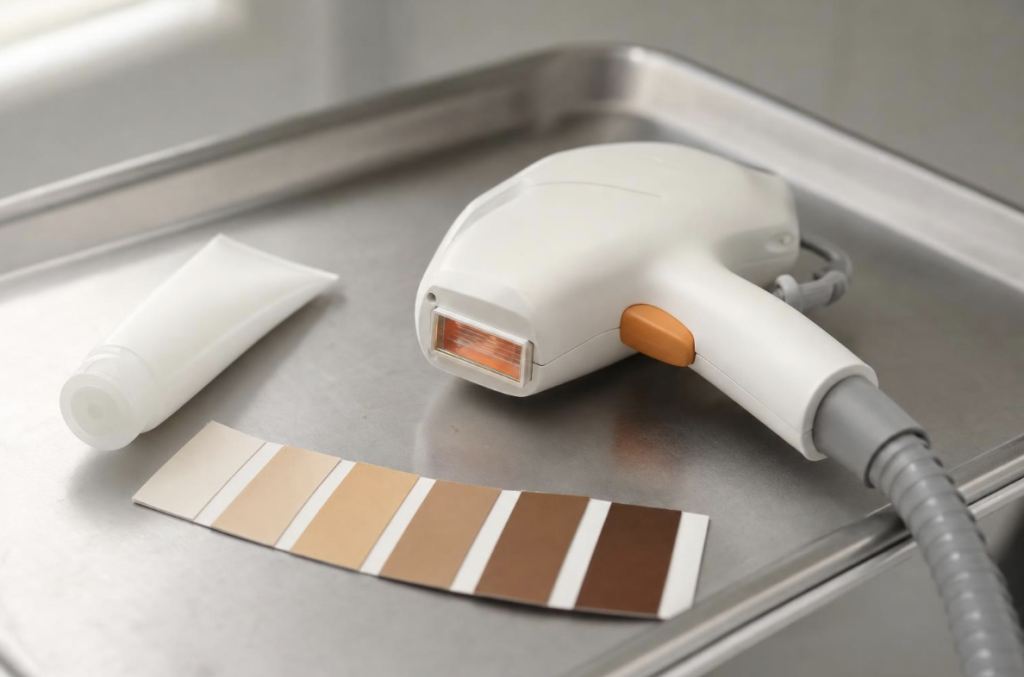
Light superficial chemical peels and light-based treatments can help fade sun spots and freckles. Intense pulsed light (IPL) is used under clinician guidance for some pigmented lesions and can improve freckles and age marks. Certain fractional laser wavelengths, such as the 1927 nm setting, are used for sun-induced freckles, hyperpigmentation, and age spots, while deeper wavelengths target texture and scars. Pre-treatment and aftercare instructions affect results, so follow them closely.
If you are near Main Beach and comparing local options, this clinic page on pigmentation removal Gold Coast outlines a consultation-first approach and IPL protocols for freckles and sun spots at a Main Beach, QLD clinic. You can use it to understand what a typical assessment and visit may involve. Treat it as one local reference point rather than a promise of specific outcomes, and remember that suitability depends on your skin.
For melasma
Melasma is where caution matters most. Device therapies, including IPL and lasers, require specialist judgement because they can worsen pigmentation or trigger relapse and post-inflammatory hyperpigmentation. A recent meta-analysis found that triple-combination cream outperformed a picosecond alexandrite laser for melasma, with PIH more common after the laser than with topicals. In practice, that means topicals usually stay central to melasma care, and devices are used selectively rather than as a first move.
Why skin type changes the plan
Current global expert consensus recommends high-SPF photoprotection with UVA and visible-light coverage, and advises caution with IPL and short-wavelength devices in darker skin to prevent PIH. That is why patch testing and a proper assessment matter, and why a consultation should come before any procedure. This is one reason clinic-based treatments should start with a conversation, not a device.
Aftercare and Maintenance to Keep Your Gains
Whatever path you take, protecting your results is as important as achieving them. Pigment can rebound quickly with sun and heat exposure.
- Return to daily tinted SPF and hats to reduce rebound, especially after any procedure. Following age-spot procedures, broad-spectrum SPF 30+ and protective clothing outdoors are standard advice.
- Use gentle maintenance actives your clinician recommends, such as azelaic acid, cysteamine, or tranexamic acid.
- Expect a series rather than a single session for peels, often three to five light peels, with visible change over weeks to months.
Build Your Plan in Three Steps
If the options feel overwhelming, this short sequence keeps things manageable.
- Identify the likely cause. Decide whether you are dealing with melasma, PIH, or sun spots based on location and triggers, and get a professional opinion if you are unsure.
- Lock in photoprotection. Make daily broad-spectrum sunscreen, ideally tinted for melasma or deeper tones, a consistent habit.
- Choose one topical path and give it time. Stick with it for roughly 8 to 12 weeks before escalating. If progress stalls, book a consultation, particularly for melasma or if you have a deeper skin tone.
The Calm, Safe Sequence
Treating pigmentation rewards patience over quick fixes. Start by understanding what is causing your uneven tone, then commit to daily sun and visible-light protection that you will actually keep up. Layer in well-tolerated topicals suited to your concern, and only move to in-clinic procedures once you have given the basics a genuine trial.
Because melasma and darker skin tones carry a real risk of relapse and irritation-driven darkening, a diagnosis and personalised plan from a dermatologist is the safest way to choose treatments and avoid setbacks. Set realistic expectations, protect your progress, and let the results build over the months it usually takes for pigment to fade.
Published by HOLR Magazine.