


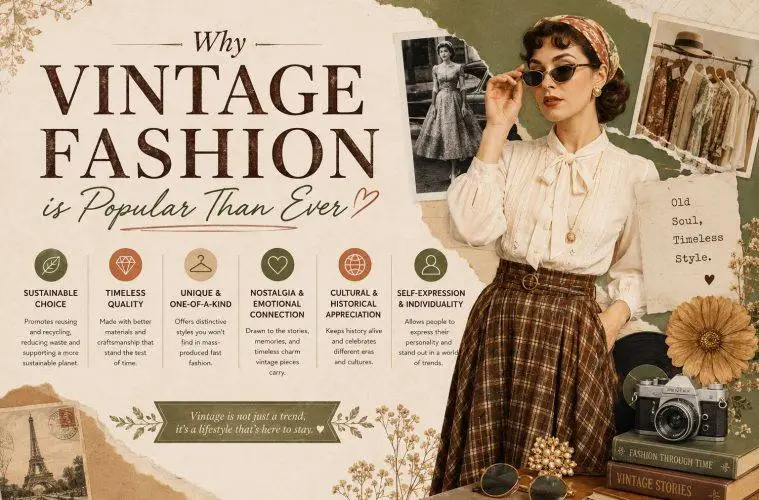
Vintage fashion is no longer a niche trend. From luxury boutiques to thrift stores and social media, shoppers are embracing secondhand style for its sustainability, affordability, and unique appeal.
Why Is Vintage Fashion Becoming So Popular?
June 26, 2026
Vintage fashion has officially moved from a niche interest to a global style movement.
Across social media, fashion weeks, and everyday street style, vintage clothing is everywhere. What was once considered old-fashioned is now seen as stylish, sustainable, and unique.
The growing popularity of vintage fashion isn’t just about nostalgia. Consumers are becoming more conscious of how their clothing is made, how long it lasts, and the impact fast fashion has on the environment.
At the same time, many shoppers want wardrobes that feel personal rather than mass-produced.
That combination has made vintage fashion one of the biggest style trends of recent years.
The Shift Away From Fast Fashion
One of the biggest reasons behind vintage fashion’s rise is changing consumer behavior.
For years, fast fashion dominated the clothing industry by offering inexpensive, trend-driven pieces.
However, many shoppers are now questioning that model.
Concerns about textile waste, environmental pollution, and overproduction have encouraged consumers to look for alternatives.
Vintage clothing offers a practical solution.
Buying secondhand extends the life of existing garments while reducing demand for newly manufactured clothing.
For environmentally conscious shoppers, this makes vintage fashion an attractive choice.
Sustainability Is Driving the Trend
Fashion is one of the world’s largest industries, but it also creates significant environmental challenges.
As awareness of sustainability grows, consumers are becoming more interested in reducing waste.
Vintage shopping fits naturally into that movement.
Instead of purchasing newly produced clothing, shoppers give existing garments a second life.
This simple choice helps reduce landfill waste, conserve natural resources, and support a more circular fashion economy.
Many consumers now see vintage shopping as both a fashion statement and an environmentally responsible decision.
Every Vintage Piece Has a Story
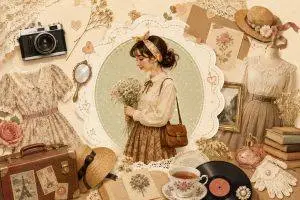
Unlike mass-produced clothing, vintage garments often have unique histories.
Some pieces reflect iconic fashion eras, while others showcase craftsmanship rarely found in modern fast fashion.
Many shoppers appreciate the feeling of owning something distinctive.
Instead of wearing clothing available in every store, vintage buyers often discover one-of-a-kind jackets, dresses, denim, handbags, and accessories.
That individuality has become increasingly valuable in today’s fashion landscape.
Social Media Has Made Vintage Fashion Cool Again
Platforms like Instagram, TikTok, and Pinterest have transformed the vintage fashion market.
Fashion creators regularly post thrift hauls, styling videos, and secondhand shopping guides.
These videos inspire millions of viewers to visit thrift stores, resale websites, and vintage boutiques.
The result has been a dramatic increase in interest among younger generations.
Many Gen Z shoppers now consider thrift shopping both fashionable and socially responsible.
The trend continues growing as influencers demonstrate creative ways to mix vintage finds with modern pieces.
Celebrities Are Leading the Revival
Celebrity influence has also helped vintage fashion reach new audiences.
Actors, musicians, and fashion icons regularly appear wearing archival designer pieces or carefully selected vintage outfits.
Red carpets have increasingly featured vintage gowns alongside newly designed collections.
These appearances reinforce the idea that vintage clothing represents luxury, exclusivity, and timeless style.
When celebrities embrace secondhand fashion, public interest often follows.
Better Quality Than Many Modern Clothes
Another reason vintage clothing continues gaining popularity is quality.
Many older garments were produced using durable fabrics and traditional construction techniques.
Consumers frequently notice stronger stitching, heavier materials, and better craftsmanship compared to some fast-fashion alternatives.
Although every vintage item differs, many shoppers believe older clothing often lasts longer.
That durability makes vintage pieces attractive investments rather than temporary purchases.
The Excitement of Finding Hidden Treasures
Shopping for vintage clothing offers an experience that traditional retail cannot always match.
Instead of browsing identical products, every visit to a thrift store or vintage boutique feels different.
Unexpected discoveries become part of the appeal.
Many shoppers enjoy searching for rare designer labels, discontinued collections, or unique pieces unavailable anywhere else.
That treasure-hunting experience keeps people returning again and again.
Vintage Fashion Encourages Personal Style
Modern fashion trends often change rapidly.
Vintage clothing allows shoppers to step away from constantly chasing new collections.
Instead, individuals can build wardrobes that reflect their personalities.
Mixing vintage jackets with modern jeans or pairing classic accessories with contemporary outfits creates distinctive looks.
Rather than following every trend, vintage fashion encourages creativity.
That freedom appeals to consumers seeking authentic self-expression.
The Growing Business of Secondhand Fashion
The popularity of vintage clothing has also transformed the resale industry.
Online marketplaces, luxury resale platforms, and independent vintage businesses continue expanding.
Many entrepreneurs now specialize in curating vintage collections for modern shoppers.
Luxury brands have even entered the resale market, recognizing increasing consumer demand for authenticated vintage products.
Industry analysts expect the secondhand fashion sector to continue growing throughout the coming years.
Why Vintage Fashion Is More Than a Trend
Some fashion trends disappear after a season.
Vintage fashion appears different.
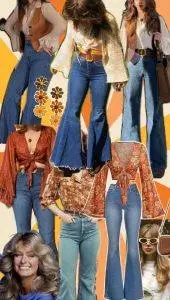
Its popularity is supported by multiple long-term factors, including sustainability, affordability, craftsmanship, individuality, and changing consumer values.
These factors extend beyond temporary fashion cycles.
Instead, they reflect broader cultural changes in how people think about shopping and consumption.
As environmental awareness increases, vintage fashion may become an even more important part of the global clothing industry.
Final Thoughts
Vintage fashion has become much more than a nostalgic trend.
It represents a shift toward thoughtful shopping, sustainable choices, and individual style.
Whether consumers are motivated by environmental concerns, quality craftsmanship, or the excitement of discovering one-of-a-kind pieces, vintage clothing offers something modern fashion often cannot.
As more shoppers embrace secondhand style, vintage fashion continues proving that great design never truly goes out of fashion.
FAQs
Why is vintage fashion so popular?
Vintage fashion is popular because it offers unique clothing, supports sustainability, and allows shoppers to express personal style.
Is vintage clothing sustainable?
Yes. Buying vintage clothing extends the life of existing garments and helps reduce textile waste.
Why do celebrities wear vintage fashion?
Many celebrities wear vintage pieces because they are unique, stylish, and often showcase exceptional craftsmanship.
Is vintage clothing better quality?
Many vintage garments were made with durable materials and high-quality construction compared to some modern fast-fashion products.
Where can you buy vintage fashion?
Vintage clothing is available through thrift stores, resale platforms, vintage boutiques, online marketplaces, and specialty retailers.
Why does Gen Z love vintage fashion?
Many Gen Z consumers appreciate vintage clothing because it supports sustainability while allowing for creative and individual style.
Is vintage fashion affordable?
It can be. Prices vary depending on the brand, rarity, condition, and demand for specific pieces.
Will vintage fashion remain popular?
Many fashion experts believe vintage clothing will continue growing due to increasing interest in sustainability and timeless style.
Published by HOLR Magazine