


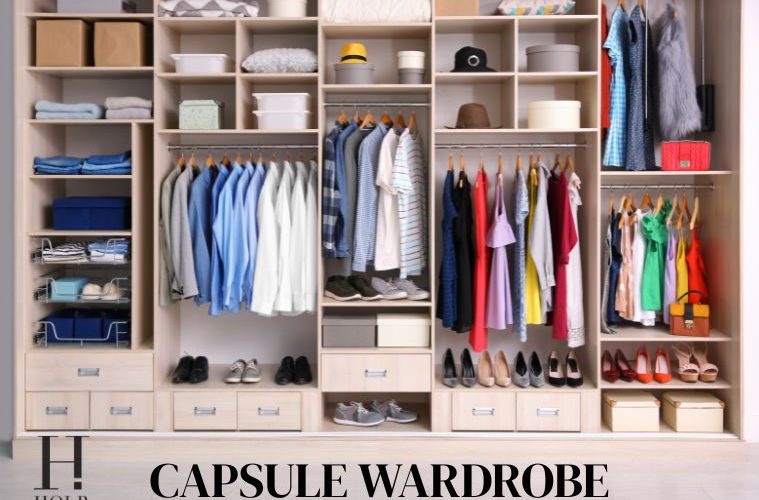
A practical guide to creating a versatile wardrobe that makes getting dressed easier in every season.
August 20, 2026: A closet full of clothes does not always mean you have plenty to wear. Sometimes, it means the opposite. There are shirts that only work with one pair of pants, dresses that only make sense for one occasion, and trend pieces that looked exciting in the store but rarely leave the closet.
That is where a capsule wardrobe can make a real difference.
A capsule wardrobe is essentially a carefully edited collection of clothing, shoes, and accessories that work together in multiple combinations. There is no universal number of pieces you have to own. The idea is to choose versatile items that fit your lifestyle, personal style, and climate, rather than following a strict formula.
For someone living somewhere with noticeable seasonal changes, building a wardrobe that works throughout the year does require a little more thought. You probably will not wear the same lightweight tank top in January and July. Instead, the goal is to create a flexible foundation that can be adjusted with layers, seasonal fabrics, footwear, and a few carefully chosen additions.
Here is how to do it without turning your closet into another source of stress.
View this post on Instagram
What Is a Capsule Wardrobe?
A capsule wardrobe is a smaller, intentional collection of clothes that can be mixed and matched to create a variety of outfits.
The concept dates back to the 1970s and is often associated with British fashion consultant Susie Faux. While early versions focused on a relatively small selection of practical pieces, there is no single rule today that says a capsule must contain a specific number of items.
That flexibility is important.
A capsule wardrobe should fit your life, not force your life to fit a checklist.
Someone who works in an office may need tailored trousers, blazers, and polished shoes. Someone who works from home may get far more use from comfortable pants, knitwear, and casual layers. A person who attends frequent social events will need different pieces again.
The best capsule is therefore not necessarily the smallest one. It is the one where the majority of what you own has a purpose and works with the rest of your wardrobe.
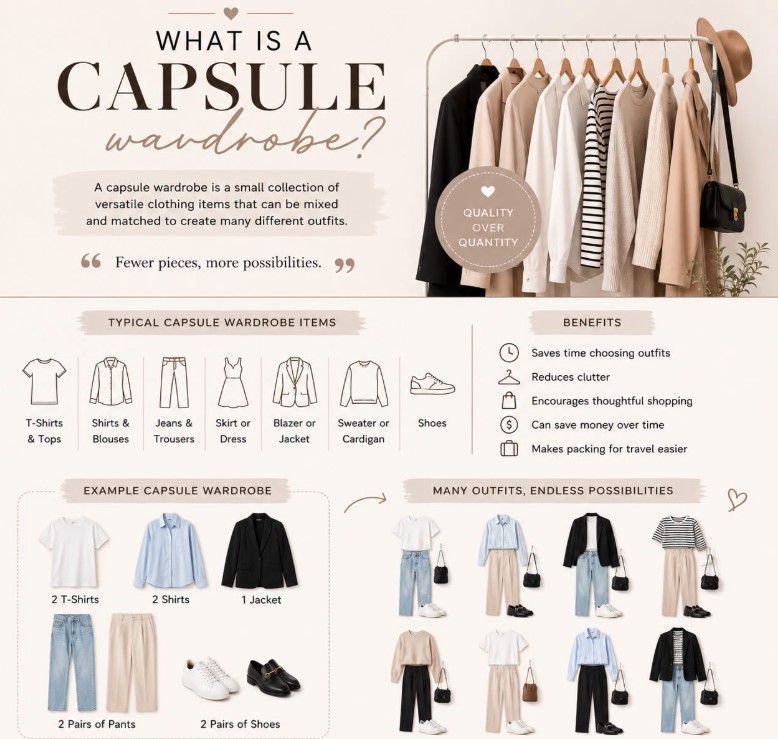
Image Credit: Instagram @mariafsadler
Start With the Clothes You Already Own
Before buying anything, shop your own closet.
Take everything out and look at your clothes honestly. Instead of immediately deciding what should go, ask yourself a few practical questions:
- Do I actually wear this?
- Does it fit comfortably now?
- Does it work with several other pieces?
- Does it suit my current lifestyle?
- Would I buy it again today?
- Do I feel good when I wear it?
This process can be surprisingly revealing.
You may discover that you wear the same three sweaters constantly while several others have barely been touched. You might also realize that you own five similar black tops but do not have a comfortable jacket that works with your everyday outfits.
The goal is not to throw everything away. Clothes that need minor repairs can be fixed, while pieces that no longer suit you can potentially be resold, donated, or responsibly recycled where appropriate.
Keeping and wearing clothes for longer can also support a more conscious approach to fashion.
Build Around Your Real Lifestyle
One of the biggest mistakes people make with capsule wardrobes is building one based on an imaginary version of themselves.
If you work from home most days, you do not need a closet filled with formal office clothing simply because it looks polished on Pinterest.
Think about your actual week.
Do you spend most of your time working? Running errands? Going to school? Travelling? Going out for dinner? Exercising? Attending formal events?
Try writing down the types of outfits you genuinely need.
For example, someone might need:
- Everyday casual outfits
- Work or business-casual clothing
- Comfortable weekend pieces
- Workout clothes
- A few dressier outfits
- Weather-appropriate outerwear
- Shoes for different occasions
Once you understand your lifestyle, shopping becomes much easier because you can identify what is actually missing.
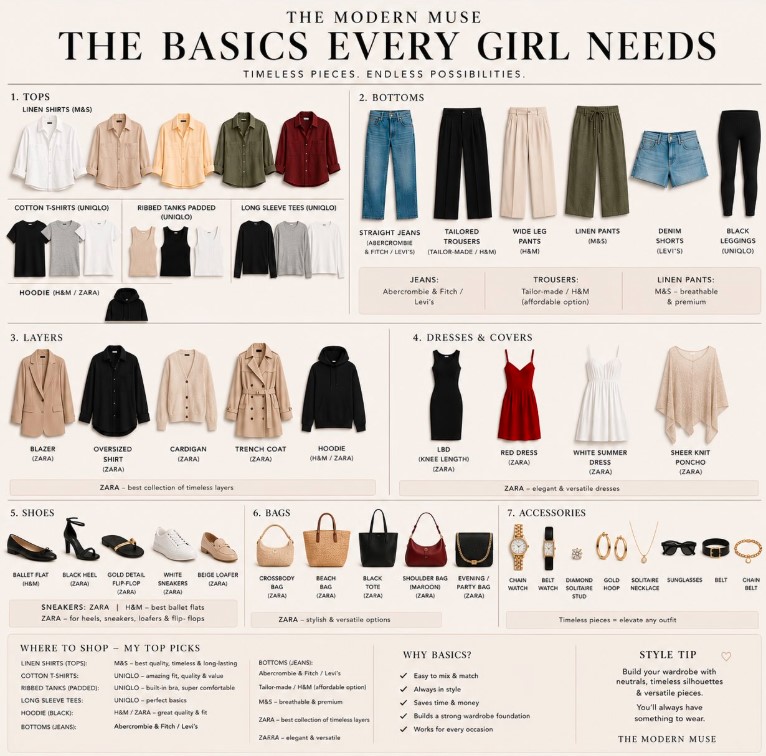
Image Credit: Instagram @mariafsadler
Choose a Core Color Palette
You do not have to build an entirely beige wardrobe to create a capsule.
The purpose of a color palette is simply to make your clothes easier to combine.
Start with a few colors you already love wearing. Neutrals such as black, white, navy, grey, cream, brown and denim can provide a flexible foundation. Then introduce one or two colors that reflect your personality.
For example, you might build around:
Base colors: black, cream, and denim
Accent colors: burgundy and forest green
This does not mean every item has to match perfectly. It simply gives you more combinations without requiring a huge number of clothes.
And if you love color, keep it. A capsule wardrobe should still feel like you.
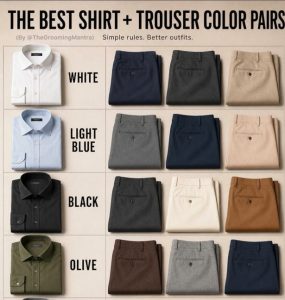
Image Credit: Instagram @mariafsadler
Invest in Versatile Basics
The foundation of a year-round capsule usually consists of pieces that can be worn in several ways.
Think about items such as
- A well-fitting pair of jeans
- Straight-leg or tailored trousers
- Simple T-shirts
- A button-down shirt
- A versatile sweater
- A cardigan
- A blazer or structured jacket
- A casual jacket
- A simple dress
- Comfortable sneakers
- Everyday boots or another weather-appropriate shoe
- A versatile coat
These are not rules. They are starting points.
Current fashion coverage continues to emphasize versatile staples, layering pieces and classic wardrobe foundations because they can move between different outfits and seasons.
The important part is choosing versions that suit you.
A white shirt is only a wardrobe essential if you actually enjoy wearing one.
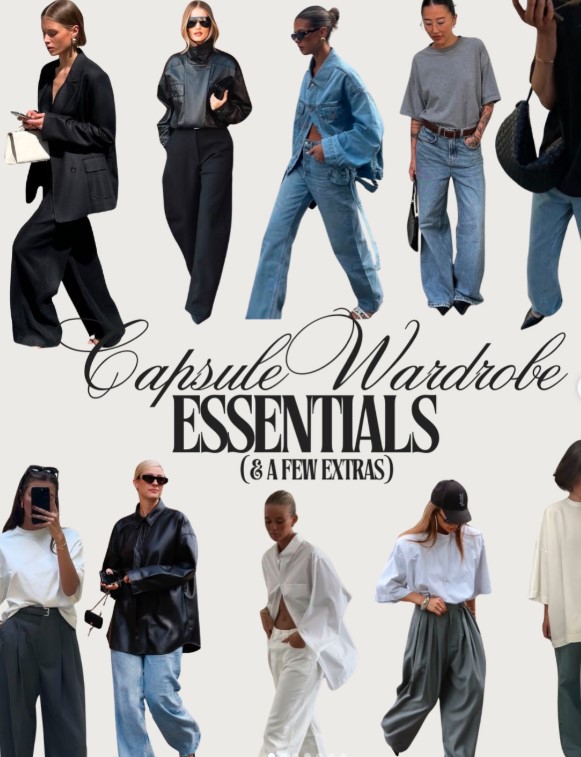
Image Credit: Instagram @mariafsadler
Learn to Layer Instead of Buying for Every Season
This is where a year-round capsule becomes especially useful.
You do not necessarily need completely separate wardrobes for spring, summer, fall and winter. Instead, build outfits in layers.
A simple T-shirt can be worn alone during warmer weather, underneath a cardigan during transitional weather or beneath a sweater and coat when temperatures drop.
A button-down can work as a polished shirt, an open lightweight layer, or an under-layer beneath knitwear.
A dress can also change depending on what you put over or underneath it.
Layering is especially useful during unpredictable transitional seasons, when the weather can change significantly throughout the day. Fashion editors continue to highlight layering as a practical way to make wardrobes more adaptable between seasons.
Think in Four Seasonal Layers
Instead of rebuilding your wardrobe every few months, think of it as four levels.
Spring
Focus on lightweight layers, shirts, denim, lighter jackets, sneakers, and versatile trousers.
Summer
Bring forward breathable tops, dresses, shorts, skirts, lightweight pants, and warm-weather footwear.
Fall
Add sweaters, cardigans, jackets, boots, and richer textures. Many summer pieces can still work when layered underneath or over warmer clothing.
Winter
Bring out heavier coats, warm knitwear, boots, scarves, and insulating layers.
This approach also makes seasonal storage easier. Items that are genuinely unsuitable for the current weather can be stored away temporarily rather than occupying valuable closet space all year.
Don’t Forget Shoes and Accessories
A capsule wardrobe is not only about tops and bottoms.
Accessories can dramatically change an outfit without requiring more clothing.
A simple pair of jeans and a sweater can feel completely different with sneakers and a tote compared with boots, a structured bag and statement jewelry.
Depending on your lifestyle, consider having a small selection of:
- Everyday sneakers
- Weather-appropriate boots
- Dressier shoes
- A practical everyday bag
- A smaller evening or occasion bag
- A versatile belt
- A scarf
- Simple jewelry
- Seasonal accessories
The key word is versatility.
If one accessory works with ten outfits, it is likely more useful than one that works with only one.
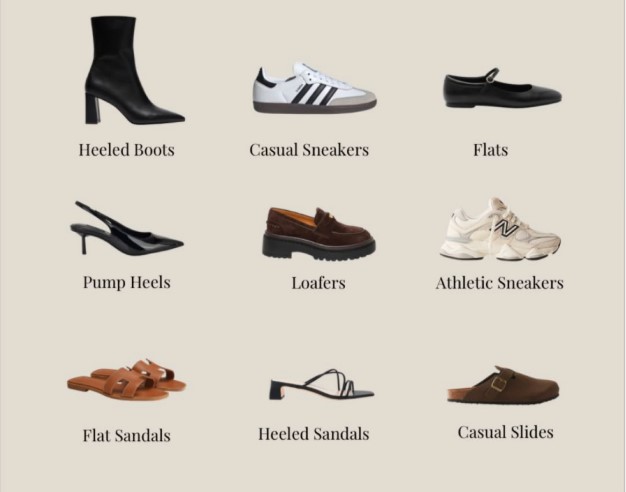
Image Credit: Instagram @mariafsadler
Leave Room for Personality
A capsule wardrobe should never make you feel like you are wearing a uniform every day.
This is where statement pieces come in.
Maybe you love a bold coat, colorful handbag, printed skirt, or unusual pair of shoes. Keep those pieces.
The goal is not to eliminate fashion or personality. In fact, a simple wardrobe foundation can make statement pieces more noticeable because they are not competing with dozens of other clothes.
Think of your capsule as the background. Your personality is what brings it to life.
Avoid the “Perfect Capsule” Trap
One of the biggest misconceptions about capsule wardrobes is that there is a magic number.
You may see someone online claiming that they built their entire wardrobe with 20 pieces. That does not mean 20 pieces will work for you.
Your wardrobe size depends on your climate, profession, lifestyle, laundry routine, budget, storage space and personal preferences.
Someone living in a place with four distinct seasons will naturally need different clothing from someone living somewhere warm year-round.
The same applies to people with different jobs and social lives.
Instead of asking, “How few clothes can I own?” ask:
“How many clothes do I actually use and enjoy?”
That is a much healthier way to approach a capsule wardrobe.
Shop for Gaps, Not for Entertainment
Once you have edited your closet, you may notice a few genuine gaps.
Perhaps you have plenty of tops but no trousers that fit properly. Maybe you have casual clothing but nothing suitable for a job interview. Or perhaps you own summer clothing but lack a versatile jacket for transitional weather.
Write down those gaps before shopping.
Then give yourself time to find the right piece.
This approach can reduce impulse purchases because you are shopping with a specific purpose rather than buying something simply because it looks good in the moment. A more intentional approach to purchasing is also commonly associated with capsule wardrobes and conscious-fashion practices.
Quality Does Not Always Mean Expensive
A capsule wardrobe does not require a closet full of designer clothing.
A better approach is to consider cost per wear and how well an item fits your needs.
A moderately priced jacket that you wear several times a week for years may be a better purchase than an expensive piece that rarely leaves your closet.
Look for:
- Comfortable construction
- Fabric appropriate for the garment
- Reliable stitching
- A good fit
- Easy care
- Versatility
- A style you genuinely like
And do not automatically replace something simply because it is old. If it still fits, works and can be repaired, keeping it in rotation may be the more practical choice.
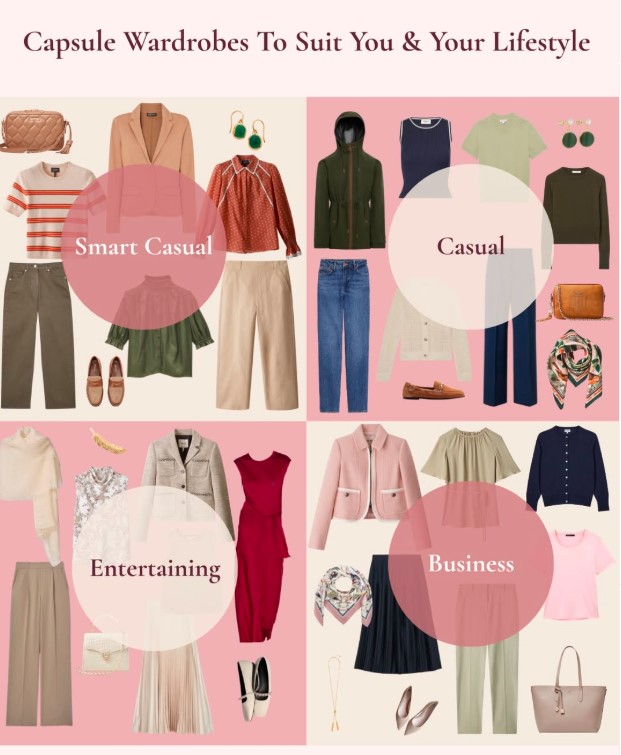
Image Credit: Instagram @mariafsadler
The Bottom Line
A year-round capsule wardrobe is not about owning as little as possible. It is about making your wardrobe work harder.
Start with what you already own. Identify the clothes you genuinely wear. Build around your lifestyle, choose colors that work together, add versatile basics, and use layering to adapt your outfits throughout the year.
Most importantly, leave room for your personality.
Fashion should still be fun. A capsule wardrobe simply removes some of the unnecessary noise so you can spend less time staring into a packed closet wondering what to wear and more time actually enjoying the clothes you own.
HOLR breaks down the story here: the most useful capsule wardrobe is not the one with the fewest pieces. It is the one where the pieces you own make sense together, suit your everyday life, and continue to earn their place in your closet.
FAQs
How many pieces should be in a capsule wardrobe?
There is no universal number. Your ideal capsule depends on your lifestyle, climate, work requirements and personal preferences. The goal is versatility rather than hitting a specific number.
Can a capsule wardrobe work for all four seasons?
Yes. The easiest approach is to build a core wardrobe and adjust it seasonally with layers, outerwear, footwear and weather-specific pieces.
What colors are best for a capsule wardrobe?
Neutral colors such as black, navy, grey, cream, white, brown, and denim are easy to mix and match. However, you can add any colors that reflect your personal style.
Do I have to get rid of most of my clothes?
No. A capsule wardrobe is not about throwing away everything that does not fit a strict formula. Keep clothes that you wear, love or genuinely need, and deal thoughtfully with pieces that no longer serve you.
Is a capsule wardrobe only for minimalist fashion?
Not at all. You can have a colourful, feminine, edgy, classic or trend-conscious capsule wardrobe. The defining feature is that your pieces work together rather than how minimalist they look.
How often should I update my capsule wardrobe?
There is no fixed schedule. Review it when your lifestyle, body, climate, or personal style changes. Seasonal reviews can also help you identify what you actually wore and what you consistently ignored.
Published by HOLR Magazine