


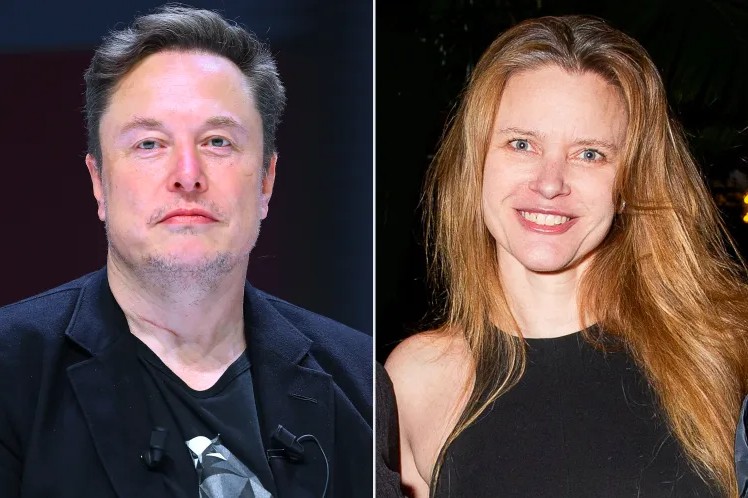
Justine Musk reflects on her marriage to Elon Musk in Alex Gibney’s new documentary, discussing gaslighting, grief, control, and motherhood.
September 10, 2026
Justine Musk Speaks About Her Marriage
Justine Musk is opening up publicly about her marriage to Elon Musk in Alex Gibney’s new documentary Musk. The writer, who was married to the billionaire from 2000 to 2008, reflects on the dynamics of their relationship and how she came to understand some of the behavior she experienced during their years together.
Justine appears among several people interviewed for the nearly four-hour documentary, which examines Musk’s personal life, business career, and growing influence. Her account offers one of the film’s most personal perspectives, particularly as she discusses feeling diminished within the relationship and learning the language to describe what she says was happening.
Credit: @justinemusk/X, DPA
“I Learned the Term Gaslighting”
One of Justine’s most striking recollections involves the concept of gaslighting. She says she learned the term through her relationship with Musk, describing experiences in which she felt her own perceptions and feelings were being undermined.
Justine also recalls moments when Musk allegedly spoke to her in a condescending way and made her feel insignificant. She described the power dynamic in their marriage as deeply uncomfortable, including an account of Musk declaring himself the “alpha” during their wedding dance. These are Justine’s recollections and allegations as presented in the documentary, rather than independently established facts.
Their Marriage Began in 2000
Justine and Musk married in 2000 and went on to have a large family. Their relationship included the birth of their first child, Nevada Alexander, followed by twins and triplets.
The couple’s marriage ended in divorce in 2008, but the years they spent together remain an important part of the documentary’s examination of Musk’s personal life. Justine’s contribution also places his later public relationships and family controversies in the context of what she says she experienced firsthand during their marriage.
The Loss of Their First Child
One of the most emotional portions of Justine’s interview concerns the death of the couple’s first child. Nevada died from sudden infant death syndrome at 10 weeks old in 2002.
Justine disputes a version of the tragedy that Musk previously shared publicly. While Musk had described holding their son when he died, Justine says she was the one holding Nevada at the time. Her account introduces a painful disagreement over how one of the most devastating experiences in their lives has been remembered and discussed publicly.

Credit: Ms Karri
A Painful Difference in Their Public Stories
The disagreement over Nevada’s death is significant because it illustrates the broader tension between private experience and public narrative that runs through the documentary. Justine is not simply discussing her former marriage in general terms; she is also challenging parts of the story Musk has previously told about their family.
That makes her interview particularly consequential within the film. Her perspective is deeply personal, and her memories provide a contrast to the carefully constructed public image that has surrounded Musk for much of his career.
Their Daughter Vivian Is Also Discussed
The documentary also addresses Musk’s estrangement from his transgender daughter, Vivian Wilson, who is Justine and Musk’s child. Justine discusses the difficult relationship and alleges that Musk cut off Vivian’s health insurance and has not made efforts to repair their relationship.
She also says Musk asked her to tell Vivian that he still loves her. Again, those claims come from Justine’s account in the documentary and have not been independently established within the film itself. The discussion adds another deeply personal dimension to the documentary’s exploration of Musk’s family life.
Justine Offers a Very Different View of Musk
For years, much of the public conversation around Musk has focused on his companies, wealth, technology ambitions, and political influence. Justine’s interview shifts the focus toward the private person behind that public identity.
Her account presents a man whose behavior inside an intimate relationship, she says, could leave her questioning herself and her place within the marriage. That perspective does not erase the complexity of their history, but it gives audiences another way of considering the person whose influence has expanded far beyond the technology industry.
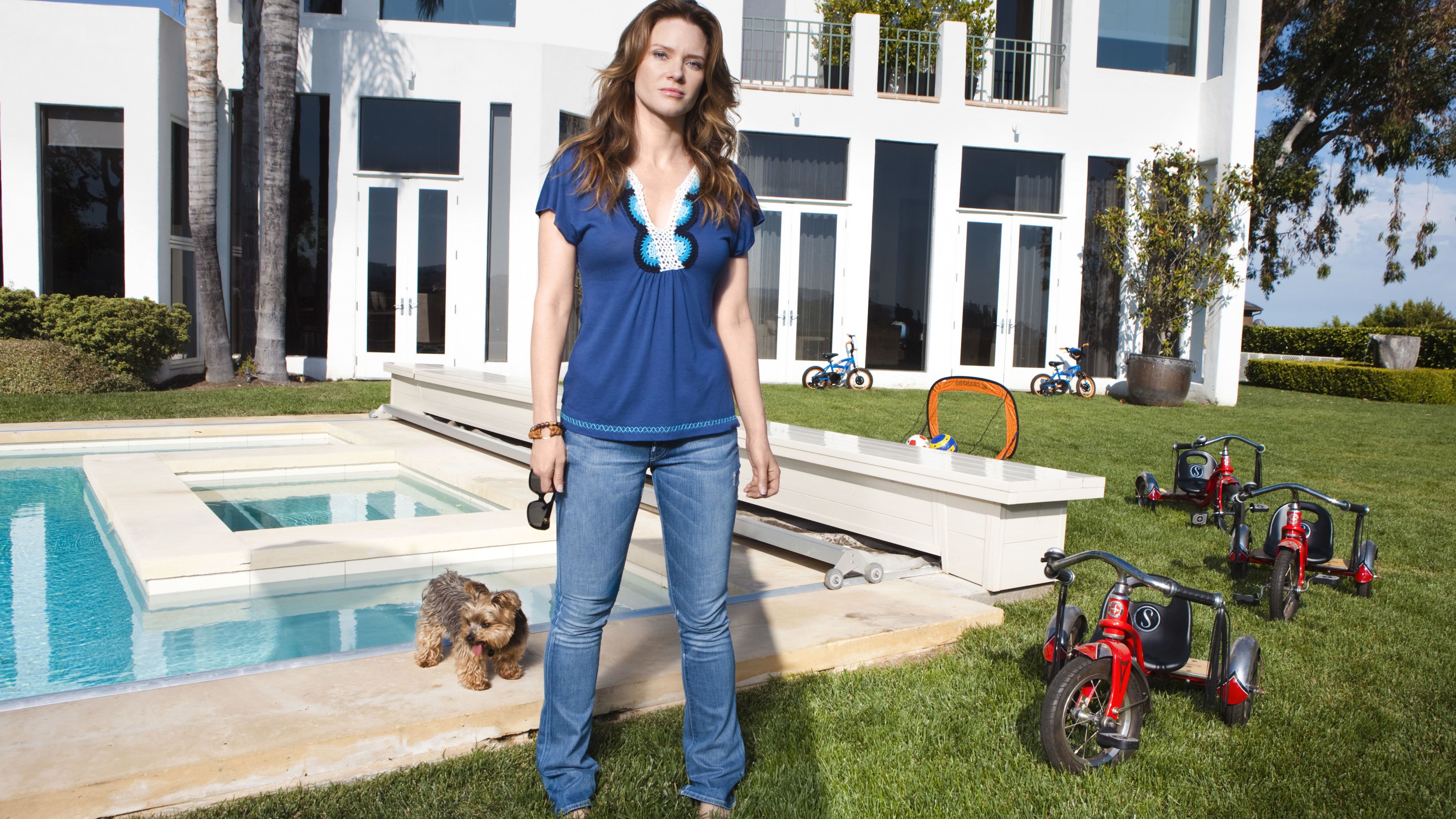
Credit: Lauren Greenfield
She Is One of Several Personal Voices
Justine is not the only former partner to appear in Musk. The documentary also includes Ashley St. Clair, who discusses her own relationship with Musk and makes claims about their interactions, including an alleged offer of a $40 million nondisclosure agreement that she says she rejected.
Other interviewees include Musk’s father, Errol Musk, journalist Zoë Schiffer, and people connected to his businesses and public life. Together, their accounts create a portrait that moves between Musk’s childhood, professional ambitions, relationships, and growing political power.
Musk Did Not Participate in the Film
Musk did not sit for an interview for the documentary and has criticized the project as a “hit piece.” His absence is particularly notable given how extensively the film examines his decisions and character through interviews with people who know or have studied him.
Gibney instead uses archival material and an AI-generated representation built from Musk’s past public statements. The unusual technique allows the filmmaker to place Musk’s own words alongside the testimony and criticism of others without presenting the billionaire himself as a participant in the new documentary.
A Story That Reaches Beyond One Marriage
Justine’s contribution ultimately serves a larger purpose than revisiting an old relationship. Her story becomes part of Gibney’s broader examination of how Musk’s public influence and private behavior intersect, especially as his role has expanded into politics, artificial intelligence, social media, and government affairs.
For viewers, her comments also offer a reminder that the people closest to a globally famous figure can have experiences that look very different from the public image. Whether audiences agree with every account in the film or not, Justine’s willingness to speak publicly about her marriage adds another layer to an already complicated portrait.
Why Justine’s Interview Matters
The significance of Justine’s appearance lies partly in the years she spent with Musk before he became the figure he is today. She knew him during the early stages of his rise, when his ambitions were growing but his global influence had not yet reached its current scale.
Her perspective therefore contributes a rare long-term view of Musk away from boardrooms, product launches, and political events. It is a deeply personal account, shaped by grief, marriage, motherhood, and the aftermath of divorce.
Final Thoughts
Justine Musk’s appearance in Musk brings a deeply personal perspective to a documentary largely concerned with Elon Musk’s extraordinary rise and expanding power. Her recollections of their marriage, including her description of learning about gaslighting and her account of their son Nevada’s death, provide an emotional counterpoint to the larger questions surrounding Musk’s public life.
Because several of Justine’s statements are allegations and personal recollections, they should be understood in that context. Still, her decision to speak openly after years of relative privacy makes her interview one of the most significant personal elements of Gibney’s documentary.
FAQs
Who is Justine Musk?
Justine Musk is a Canadian writer who was married to Elon Musk from 2000 to 2008. They share children together, including twins and triplets.
What did Justine Musk say about gaslighting?
Justine said she learned the term “gaslighting” through her relationship with Elon Musk and described experiences that she says made her feel undermined and insignificant.
What did Justine say about the death of her son Nevada?
She disputed Musk’s previous public account of Nevada’s death, saying she was holding their son when he died from sudden infant death syndrome at 10 weeks old.
What does the documentary say about Justine and Musk’s daughter Vivian?
Justine discusses Musk’s strained relationship with their transgender daughter, Vivian Wilson, and makes several allegations about their estrangement and communication.
Did Elon Musk participate in the documentary?
No. Musk did not participate in an interview and has criticized the documentary, while filmmaker Alex Gibney used archival material and an AI-generated representation of Musk instead.
Published by HOLR Magazine