


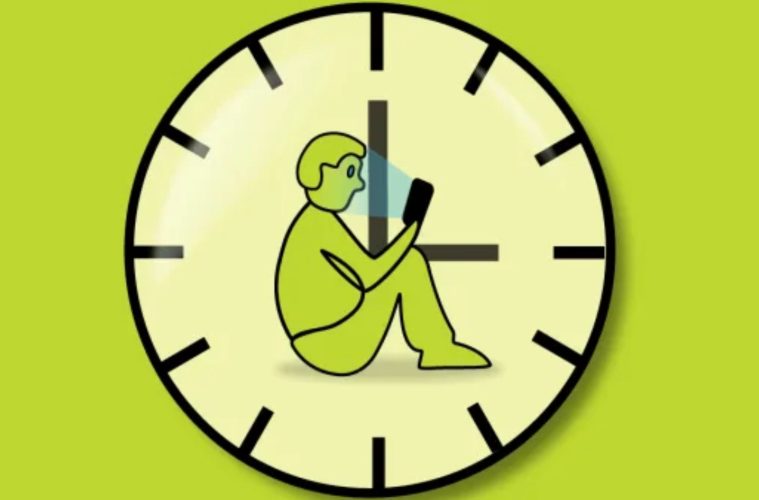
Simple, realistic ways to reduce screen time, break the scrolling habit and make more room for real-life moments.
September 5, 2026: Our phones have become part of almost everything we do. We use them to work, shop, communicate, check the news, watch videos, take photos and unwind at the end of a long day. But when checking one notification turns into an hour of scrolling, it may be time to rethink how much of our day is spent looking at a screen.
The good news is that spending less time on your phone doesn’t mean giving up technology or disappearing from social media completely. Small changes to your daily habits can make your phone feel more like a useful tool and less like something that constantly demands your attention.
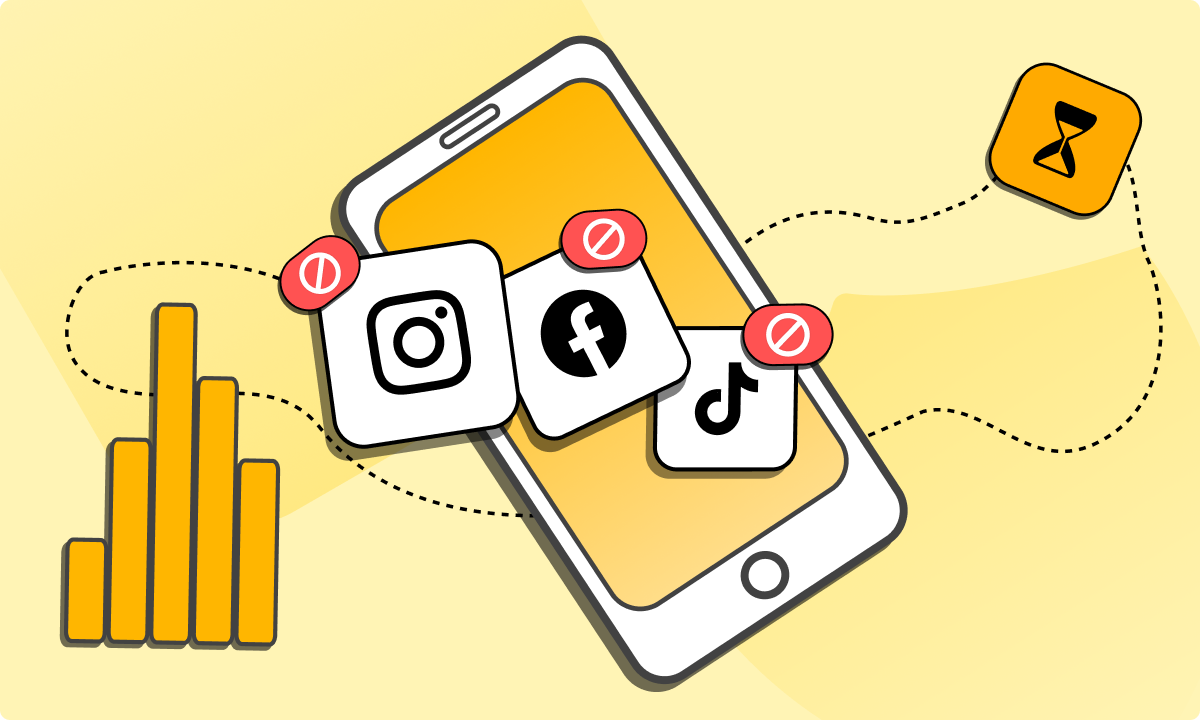
Image Credit: blocksite.co
Start by Checking How Much Time You Actually Spend on Your Phone
Before trying to reduce your screen time, take a look at your current habits.
Most smartphones have built-in screen-time features that show how long you’ve spent on your device and which apps are taking up the most time.
You might be surprised to discover that certain apps are responsible for most of your usage.
Instead of deciding that you need to spend dramatically less time on your phone overnight, start by identifying your biggest time-wasters.
If social media accounts for several hours of your day, for example, that’s probably a better place to start than cutting down on essential communication or work-related apps.
Turn Off Unnecessary Notifications
Notifications are one of the easiest ways for your phone to interrupt your day.
A notification doesn’t always require an immediate response, but simply seeing it can tempt you to pick up your phone and start scrolling.
Go through your notification settings and turn off alerts that aren’t genuinely important.
You probably don’t need a notification every time someone likes a post, a retailer launches a sale or an app has something new to show you.
Keep notifications for important messages, calls, appointments and other information you actually need.
Your phone will feel much quieter almost immediately.
Keep Your Phone Out of Reach
One of the simplest tricks is also one of the most effective: create physical distance between yourself and your phone.
If your phone is sitting next to you while you’re watching television, eating dinner or working, you’re much more likely to pick it up without thinking.
Try leaving it in another room when you’re doing something that doesn’t require it.
Even placing your phone inside a drawer or bag can make a difference.
The extra few seconds it takes to get it can be enough to make you reconsider whether you actually need to check it.

Image Credit: almondsolutions.com
Create Phone-Free Times
Instead of trying to avoid your phone all day, choose specific periods when you won’t use it.
For example, you could make breakfast phone-free, avoid your phone during dinner or spend the first 30 minutes after waking up without checking notifications.
You can also create a phone-free hour before bed.
These small boundaries are much easier to maintain than trying to completely change your relationship with technology overnight.
Once they become habits, you can gradually increase the amount of time you spend away from your phone.
Don’t Start Your Morning With Scrolling
For many people, reaching for their phone is one of the first things they do after waking up.
Checking social media, emails and messages immediately can make your brain feel busy before your day has even started.
Instead, give yourself some time before checking your phone.
Make your coffee, get ready, stretch, take a shower or simply sit quietly for a few minutes.
You don’t have to spend an hour meditating. Even 15 to 30 minutes without your phone can help create a calmer start to the day.
Make Your Phone Less Tempting
If you constantly find yourself opening the same apps without thinking, make them harder to access.
Move social media apps away from your home screen or place them inside a folder.
You can also remove apps that you don’t actually need and access certain services through a browser instead.
Another simple trick is to change your phone’s display to grayscale.
Without the bright colours and attention-grabbing app icons, your phone can become noticeably less stimulating.
Set App Limits
Your smartphone can also help you manage your own habits.
Set daily limits for apps that tend to consume most of your time.
If you regularly spend an hour scrolling through short-form videos, for example, try setting a 30-minute limit.
Don’t worry if you occasionally go over it.
The purpose isn’t to create another reason to feel guilty. It’s simply to make you more aware of how you’re spending your time.

Image Credit: healthyhappyimpactful.com
Replace Scrolling With Something Else
One reason it’s difficult to reduce phone use is that scrolling often fills moments of boredom.
If you remove your phone without replacing the habit, you may simply become restless and pick it up again.
Think about a few activities you genuinely enjoy.
You could read a book, listen to music, cook something, go for a walk, do a puzzle, journal, exercise or spend time talking with someone.
Keep a book near your sofa instead of your phone. Put a notebook beside your bed. Keep your headphones ready for a walk.
The easier the alternative is to access, the more likely you are to use it.
Try the 10-Minute Rule
If you feel the urge to check your phone, don’t tell yourself that you can never check it.
Instead, wait 10 minutes.
During that time, finish what you’re doing or find something else to focus on.
After 10 minutes, ask yourself whether you still want to check your phone.
Sometimes the urge disappears because you weren’t actually looking for anything specific. You simply reached for your phone out of habit.
Don’t Use Your Phone as Your Default Entertainment
It’s easy for every quiet moment to become a scrolling opportunity.
Waiting for your coffee? Check your phone.
Waiting for an appointment? Check your phone.
Sitting on the couch? Check your phone.
Try allowing yourself to experience some boredom.
It might feel strange at first, but boredom can create space for thinking, noticing your surroundings or simply relaxing without constant stimulation.
You don’t need to fill every empty minute.
Keep Your Phone Away From the Bedroom
If you regularly scroll late at night or check messages whenever you wake up, consider moving your phone away from your bed.
You can use a traditional alarm clock if you need one.
Keeping your phone across the room makes it less convenient to check during the night and can help establish a clearer boundary between your bedroom and your screen.
If moving your phone completely out of the bedroom isn’t practical, place it somewhere you can’t easily reach from your bed.
Take a Social Media Break
You don’t necessarily need to delete every social media account.
Instead, consider taking a short break from the platforms you use most.
Start with a weekend.
Delete the apps temporarily or log out of your accounts, then notice how often you instinctively reach for your phone.
You may discover that you don’t miss certain apps nearly as much as you expected.
When you return, consider following fewer accounts and removing content that encourages endless scrolling.
Stop Using Your Phone During Meals
Meals are an easy opportunity to put your phone away.
Instead of scrolling while eating, focus on your food, the people you’re with or the conversation happening around you.
If you’re eating alone, use the time to listen to music or simply enjoy a quiet meal.
A phone-free meal can be surprisingly refreshing, especially if you’re used to multitasking.
Use Your Phone Intentionally
One of the biggest changes you can make is to stop picking up your phone without knowing why.
Before unlocking your screen, ask yourself:
“What am I picking up my phone to do?”
If you have a specific reason — checking a message, making a call or looking something up — do it and put the phone away.
If you can’t identify a reason, that’s a good sign that you’re reaching for it out of habit.
This simple question can interrupt automatic scrolling.
Don’t Aim for Perfect Screen-Time Numbers
Reducing phone use isn’t about winning a competition against your screen-time report.
There will be days when you need your phone more than others.
Maybe you have work to complete, you’re traveling, you’re talking to family or you’re using your phone to organize your schedule.
That’s completely fine.
The goal is to make sure your phone use reflects your priorities instead of taking over your free time.
Even reducing your daily scrolling by 20 or 30 minutes can create meaningful space for other things.
A Simple 7-Day Phone Reset
If you want to start immediately, try this simple approach:
Day 1: Check your screen-time report.
Day 2: Turn off unnecessary notifications.
Day 3: Keep your phone away during meals.
Day 4: Create one phone-free hour.
Day 5: Remove your most distracting app from the home screen.
Day 6: Spend an evening without social media.
Day 7: Keep your phone away from your bed.
You don’t have to maintain every rule permanently. Use the week to discover which changes actually make you feel better.
The Bottom Line
Spending less time on your phone doesn’t require a dramatic digital detox.
Start small.
Turn off unnecessary notifications, create phone-free periods, move your device out of reach and find activities that give you something enjoyable to do instead of scrolling.
Most importantly, don’t think of reducing screen time as giving something up. Think of it as getting some of your time back.
Your phone will still be there when you actually need it.
FAQs
How can I spend less time on my phone?
Start by checking your screen-time report, turning off unnecessary notifications, setting app limits and creating phone-free periods during your day.
What is the easiest way to reduce phone usage?
One of the easiest changes is keeping your phone out of reach when you don’t need it. You can also turn off unnecessary notifications to reduce the temptation to check your device.
Should I stop using social media completely?
Not necessarily. You can start by reducing the amount of time you spend on social media, taking occasional breaks or removing apps that you find particularly distracting.
What are the biggest stories trending online today? Read the latest here
Published by HOLR Magazine