


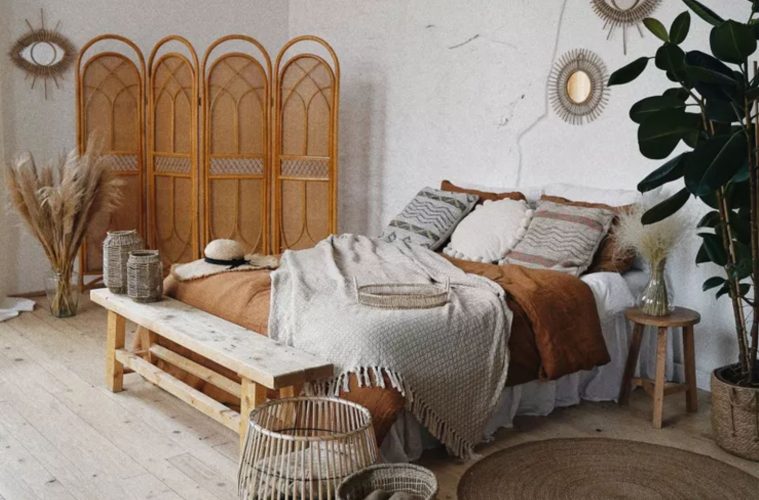
From decluttering and lighting to bedding, scent and technology, these simple changes can turn your bedroom into a more relaxing retreat.
September 5, 2026: Your bedroom should feel like a place where you can switch off at the end of the day. But when clothes are piled on a chair, your phone is constantly buzzing and harsh lighting fills the room, it can be difficult to create that sense of calm.
The good news is that you don’t need to completely redesign your bedroom to make it feel more peaceful. A few thoughtful changes can make the space feel cleaner, softer and more relaxing without requiring a huge budget.
:max_bytes(150000):strip_icc():format(webp)/gorgeous-bedrooms-that-are-also-relaxing-4045685-hero-35abf12f89f140a7984c0757f07d0557.jpg)
Image Credit: thespruce.com
Start by Decluttering
One of the easiest ways to make a bedroom feel calmer is to remove unnecessary clutter.
You don’t have to organize your entire home. Start with the surfaces you see most often, such as your nightstand, dresser and floor.
Put away clothes, clear unnecessary items from your bedside table and find a proper home for things that don’t belong in the bedroom.
A clear room can immediately feel more spacious and relaxing.
If you’re struggling to decide what to keep, ask yourself whether you use the item regularly or whether it genuinely makes you happy. Anything that doesn’t serve a purpose can be considered for removal.
Choose Calming Colors
Your bedroom doesn’t need to be completely white to feel peaceful.
Soft, muted shades can create a more relaxed atmosphere than extremely bright or visually intense colors. Think warm neutrals, soft beige, muted green, pale blue, dusty pink or gentle gray.
You can introduce these colors through bedding, curtains, rugs, cushions or artwork rather than repainting the entire room.
The goal is to create a color palette that feels comfortable to you.
:max_bytes(150000):strip_icc():format(webp)/brexton-cole-interiors-parisian-bedroom-couch-corner-ba807c9e0e4e49e089289a14fa0030f0.jpeg)
Image Credit: thespruce.com
Make Your Bed Feel Inviting
Your bed is naturally the focal point of the bedroom, so making it comfortable can have a major impact on the overall atmosphere.
Choose bedding that feels good against your skin and suits the temperature of your room.
Layering can also make the bed look more inviting. Try combining sheets, a duvet or comforter with a lightweight throw and a few cushions.
You don’t need dozens of decorative pillows. A simple, well-made bed can look just as luxurious.
And yes, making your bed each morning can also give the room an instant sense of order.
Use Softer Lighting
Lighting can completely change the mood of a bedroom.
Instead of relying exclusively on a bright overhead light, introduce several softer sources around the room.
A bedside lamp, floor lamp or small accent light can create a warmer atmosphere in the evening.
If possible, choose warm-toned bulbs rather than extremely cool, bright lighting.
You can also make use of natural light during the day by keeping windows relatively clear and opening curtains or blinds in the morning.
Keep Your Nightstand Simple
Your nightstand doesn’t need to become a storage area.
Try keeping only the things you actually use before bed, such as a lamp, book, water bottle or hand cream.
If your phone is always sitting beside your pillow, consider moving it farther away.
A cleaner nightstand can make your entire sleep area feel more intentional.
Bring Nature Into the Room
Plants can add softness and life to a bedroom.
If you enjoy caring for plants, choose varieties that suit the amount of natural light available in your room.
If maintaining a plant isn’t practical, flowers, dried foliage or even nature-inspired artwork can provide a similar visual effect.
Natural materials can also help create a cozy atmosphere. Consider adding elements such as wood, cotton, linen, rattan or wool through furniture and accessories.
Pay Attention to Texture
A peaceful bedroom isn’t only about how it looks. Think about how the room feels.
Soft textures can make the space feel warmer and more comfortable.
Consider:
- Cotton or linen bedding
- A soft area rug
- Knitted or woven throws
- Cushioned seating
- Fabric curtains
- Plush towels or robes
Mixing a few different textures can make a simple room feel layered without adding visual clutter.
:max_bytes(150000):strip_icc():format(webp)/InteriorEdits-26-8cab046a2a324b7499f647c4bff4d24d.jpeg)
Image Credit: thespruce.com
Make Your Bedroom Smell Good
Scent can become an important part of your evening routine.
You could use a diffuser, room spray, scented candle or naturally fragrant flowers if those options work safely in your space.
Relaxing scents such as lavender are commonly associated with bedtime routines, while fresh or subtle fragrances can simply make the room feel cleaner.
Don’t make the scent too strong, though. A bedroom should smell fresh and comfortable rather than heavily perfumed.
If you use candles, never leave them burning unattended.
Create a Phone-Free Zone
Your bedroom doesn’t have to be completely technology-free, but creating some distance from your phone can help make the space feel more restful.
Instead of scrolling in bed, try reading a few pages of a book, listening to calming music or simply taking a few quiet minutes before sleep.
If you use your phone as an alarm, place it somewhere that isn’t within easy reach.
That small change can make it less tempting to check social media every time you wake up during the night.
Hide Everyday Clutter
Not everything needs to be displayed.
Storage baskets, drawers and decorative boxes can help keep everyday items organized while maintaining a cleaner visual appearance.
Use them for things such as chargers, accessories, extra blankets, books or clothing.
The idea isn’t to hide everything you own. It’s simply to create a balance between useful belongings and visual calm.
Don’t Overdecorate
A peaceful bedroom doesn’t need to look like a showroom.
Too many decorations, patterns and accessories can make the room feel busy.
Choose a few pieces you genuinely love instead of filling every empty surface.
A favorite piece of artwork, a beautiful lamp, a framed photograph or a small plant may have more impact than a dozen decorative objects.
:max_bytes(150000):strip_icc():format(webp)/InteriorEdits-30-0edcb3be8dd64dd58280419d1a59b40c.jpeg)
Image Credit: thespruce.com
Create a Cozy Reading Corner
If you have enough space, consider creating a small area dedicated to relaxing that isn’t your bed.
It could be as simple as a comfortable chair beside a lamp and a small table.
Use the space for reading, journaling, listening to music or enjoying a cup of tea.
Having a dedicated relaxation area can help separate different activities within the room.
Keep Work Out of the Bedroom When Possible
If you work from home, it can be tempting to bring your laptop into bed or turn part of your bedroom into an office.
When possible, create a clear boundary between work and rest.
If your bedroom has to double as a workspace, try packing away your laptop and work materials at the end of the day.
Even a small visual separation can help the room feel more like a place to relax once work is finished.
Keep the Temperature Comfortable
A beautiful bedroom won’t feel peaceful if you’re constantly too hot or too cold.
Find a bedding combination that works for your climate and personal comfort.
Lightweight layers can give you more flexibility than one extremely heavy blanket.
Good airflow can also help the room feel fresher, particularly during warmer months.
Make Your Bedroom Personal
Don’t make your bedroom peaceful at the expense of making it feel like you.
Add items that have positive associations for you.
It could be a favorite photograph, artwork from a trip, a meaningful book or a small collection of objects you love.
The best peaceful bedroom isn’t necessarily minimalist. It’s a space where the things around you make you feel comfortable rather than overwhelmed.
Establish a Simple Evening Routine
Your surroundings can become even more relaxing when paired with consistent habits.
About an hour before bed, start transitioning away from the day’s activities.
You might dim the lights, put your phone away, change into comfortable clothes, tidy the room and read for a while.
You don’t need a complicated routine.
Repeating a few calming actions each night can help signal that it’s time to slow down.
Give Your Bedroom a Five-Minute Reset
You don’t need to spend an entire weekend cleaning your bedroom.
At the end of each day, spend five minutes putting things back where they belong.
Fold or hang clothes, clear your nightstand, straighten the bedding and put away anything you’ve left on the floor.
That small reset can make waking up to your bedroom much more pleasant the next morning.
The Bottom Line
Creating a peaceful bedroom isn’t about buying expensive furniture or following every interior-design trend.
It’s about creating an environment that feels comfortable, organized and personal.
Start with the basics: reduce clutter, choose calming colors, soften the lighting, make your bed inviting and create some distance from technology.
Then add the details that make the room feel like yours, whether that’s a favorite scent, cozy textures, plants or a comfortable reading corner.
Your bedroom should be more than just a place where you sleep. It can be your little escape from the noise of everyday life.
HOLR has the latest lifestyle, wellness and home tips to help you create a space that feels calm, comfortable and completely your own.
FAQs
How can I make my bedroom more peaceful?
Start by decluttering, using softer lighting, choosing calming colors, keeping your bed comfortable and reducing distractions such as excessive technology.
What colors are best for a peaceful bedroom?
Soft, muted shades such as beige, warm white, pale blue, muted green, dusty pink and gentle gray can create a calming atmosphere. Ultimately, choose colors that make you personally feel comfortable.
How can I make my bedroom cozy without spending a lot of money?
Start with simple changes such as rearranging furniture, decluttering, adding soft bedding, using warm lighting and introducing a few cozy textures.
What are the biggest stories trending online today? Read the latest here
Published by HOLR Magazine