


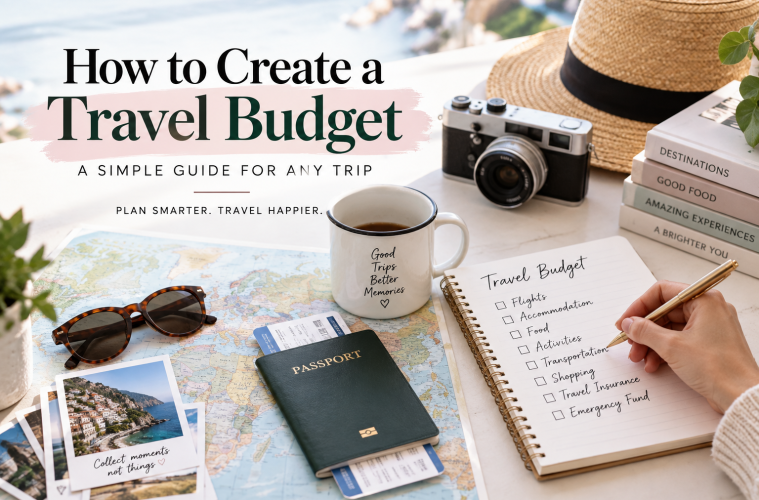
From flights and hotels to food, activities and unexpected costs, here’s how to build a realistic travel budget before you pack your bags.
September 5, 2026: Planning a trip is exciting, but figuring out how much it will actually cost can feel overwhelming. Flights, hotels, meals, transportation, activities and those little purchases along the way can quickly add up if you don’t have a plan.
The good news is that creating a travel budget doesn’t have to mean cutting out everything fun. A realistic budget simply helps you understand where your money is going so you can enjoy your trip without constantly worrying about your spending.
Start With Your Total Travel Budget
Before searching for flights or booking a hotel, decide how much you can comfortably afford to spend on the entire trip.
Think about the money you have available specifically for travel rather than using savings that are meant for emergencies, bills or other important expenses.
Once you have a total number, you can divide it among the major categories.
For example, if your overall budget is $2,500, you could divide it approximately like this:
- Flights or transportation: $700
- Accommodation: $650
- Food: $400
- Activities: $300
- Local transportation: $200
- Shopping and extras: $100
- Emergency buffer: $150
These percentages don’t have to be exact. Your destination and travel style will determine where most of your money goes.
Research the Destination Before Setting Daily Limits
A travel budget shouldn’t be based entirely on guesswork.
Research the typical costs at your destination before deciding how much you’ll spend each day.
Look at accommodation prices, public transportation, restaurant menus, attraction tickets and other expenses you expect to have.
A destination where you can comfortably eat at inexpensive local restaurants may require a very different food budget from a city where dining out is significantly more expensive.
Research also helps you avoid an unpleasant surprise when you arrive.
Calculate Transportation Costs
Transportation is usually one of the first major expenses to consider.
Start with the cost of getting to your destination. Depending on your trip, this could include:
- Flights
- Trains
- Buses
- Rental cars
- Airport transfers
- Taxis or rideshares
- Public transportation
Don’t forget about transportation once you arrive.
A cheap flight isn’t necessarily a cheap trip if your hotel is far from the airport and you’ll need expensive transfers every day.
When comparing transportation options, look at the total cost rather than just the initial ticket price.
Set an Accommodation Budget
Accommodation can take up a large portion of a travel budget, so decide how much you’re comfortable spending per night.
Multiply your target nightly rate by the number of nights you’ll be away.
Remember to check whether the advertised price includes taxes, resort fees, cleaning fees or other additional charges.
Location matters, too.
A hotel that costs slightly more but is within walking distance of major attractions may actually save you money on transportation.
At the same time, staying slightly outside the busiest tourist area can sometimes give you better value.
Create a Daily Food Budget
Food is one category where it can be easy to underestimate your spending.
Instead of simply deciding on one total amount, create a daily estimate.
For example:
Breakfast: $10
Lunch: $15
Dinner: $25
Snacks and drinks: $10
That gives you a $60 daily food budget.
You can adjust the amount based on your destination and preferences.
If you’re staying somewhere with a kitchen, you could also purchase groceries and prepare some meals yourself.
And don’t forget to budget for coffee, bottled water, desserts and those spontaneous snacks that somehow become part of every vacation.
Budget for Activities
One of the biggest reasons to travel is experiencing the destination, so your budget shouldn’t leave out the fun stuff.
Make a list of the activities you’d genuinely like to do.
This could include:
- Museums
- Tours
- Concerts
- Theme parks
- Boat trips
- Historical attractions
- Sporting events
- Spa treatments
- Outdoor activities
Research the prices beforehand and add them to your budget.
You don’t have to do everything.
Choose the experiences that matter most to you and build your trip around them.
Leave Room for Shopping
Even if you don’t consider yourself a big shopper, it’s smart to leave some room in your budget for purchases.
You might find a souvenir you love, discover a local market or decide to bring gifts home for family and friends.
Give yourself a specific shopping allowance rather than making purchases without a limit.
Once you’ve reached that amount, you’ll know it’s time to stop browsing.
Don’t Forget Travel Insurance
Depending on your destination and circumstances, travel insurance can be an important expense to consider.
Coverage can vary significantly between policies, so understand what you’re purchasing before choosing one.
Depending on the policy, travel insurance may offer protection for certain unexpected situations involving things such as trip cancellations, interruptions, baggage or medical emergencies.
Treat it as part of your travel planning rather than an expense to consider at the last minute.
Create an Emergency Fund
One of the most important parts of a travel budget is money you don’t plan to spend.
Set aside an emergency buffer for unexpected expenses.
Your luggage could be delayed. You might need an unexpected taxi. A transportation problem could force you to book another ticket. You could also decide to extend your trip or encounter an unexpected expense.
You don’t necessarily need to spend this money.
In fact, the ideal outcome is returning home with it still sitting in your account.
But having it available can make unexpected situations much less stressful.
Think About Currency Exchange
If you’re traveling internationally, remember that the amount you spend can be affected by exchange rates and foreign transaction fees.
Before your trip, check how your bank or card provider handles international purchases.
You should also understand whether your debit or credit card charges foreign transaction fees.
When creating your budget, use a slightly conservative exchange-rate estimate rather than assuming every conversion will work in your favor.
Track Your Spending While Traveling
Creating the budget is only half the process.
Once you’re traveling, keep an eye on your actual spending.
You can use a budgeting app, spreadsheet, notes app or simply record purchases in your phone.
At the end of each day, compare your spending with your planned budget.
If you spent more than expected on dinner, you can compensate by choosing a less expensive lunch the next day.
This approach is much easier than discovering halfway through the trip that you’ve already spent most of your money.
Separate Your Needs From Your Wants
A useful way to control travel spending is to divide expenses into needs and wants.
Needs could include accommodation, transportation, basic food and essential travel documents.
Wants could include shopping, expensive restaurants, luxury experiences and spontaneous purchases.
This doesn’t mean you should eliminate wants.
Instead, make sure your essentials are covered before spending heavily on extras.
Look for Ways to Save Without Ruining the Trip
Saving money doesn’t have to mean choosing the cheapest option every time.
Instead, look for expenses where you won’t notice a major difference.
You could:
- Travel during a less expensive period
- Compare multiple accommodation options
- Use public transportation
- Walk when practical
- Eat some meals at local restaurants
- Book popular attractions ahead of time when appropriate
- Look for free activities
- Limit unnecessary shopping
- Use travel rewards or points if available
- Choose experiences over things you won’t remember later
The best budget is one that still allows you to enjoy your vacation.
Build a Simple Travel Budget Spreadsheet
If you like keeping everything organized, create a basic spreadsheet with columns for:
Category | Estimated Cost | Actual Cost | Difference
Add categories such as transportation, accommodation, food, activities, shopping and emergency expenses.
This makes it easy to see where you’re under or over budget.
You can also create a daily spending limit and track your progress throughout the trip.
Review Your Budget Before Booking Anything
Before making your first major booking, look at the complete estimated cost.
Add the flight, hotel, transportation, food, activities, insurance and buffer together.
Then ask yourself:
Can I comfortably afford this trip?
If the answer is no, don’t assume you have to cancel the entire trip.
Look for the biggest expenses and see where you can make changes.
Maybe you can shorten the trip by two nights, choose a different hotel or travel during a cheaper period.
Small changes can make a significant difference.
The Bottom Line
A travel budget isn’t meant to take the fun out of your vacation.
It’s there to give you freedom.
When you know how much you can spend, you’re less likely to worry about every purchase or return home to an unpleasant credit-card bill.
Start with your total budget, divide it among transportation, accommodation, food, activities and extras, and always leave some money aside for unexpected costs.
Most importantly, spend your money on the experiences that matter most to you.
Because the goal isn’t to have the cheapest possible vacation — it’s to have a memorable one that you can actually afford.
HOLR has the latest lifestyle and travel tips to help you plan smarter, spend wisely and make the most of your next getaway.
FAQs
How do I start creating a travel budget?
Start by deciding how much you can comfortably afford to spend on the entire trip. Then divide that amount among transportation, accommodation, food, activities, shopping and unexpected expenses.
How much money should I save for a trip?
There is no universal amount because travel costs depend on your destination, trip length and travel style. Research the expected costs of your specific trip and build your budget from there.
What should be included in a travel budget?
Include transportation, accommodation, food, activities, local transportation, travel insurance, shopping, fees and an emergency fund.
What are the biggest stories trending online today? Read the latest here
Published by HOLR Magazine