


HOLR HIGHLIGHTS
The key details readers need to know.
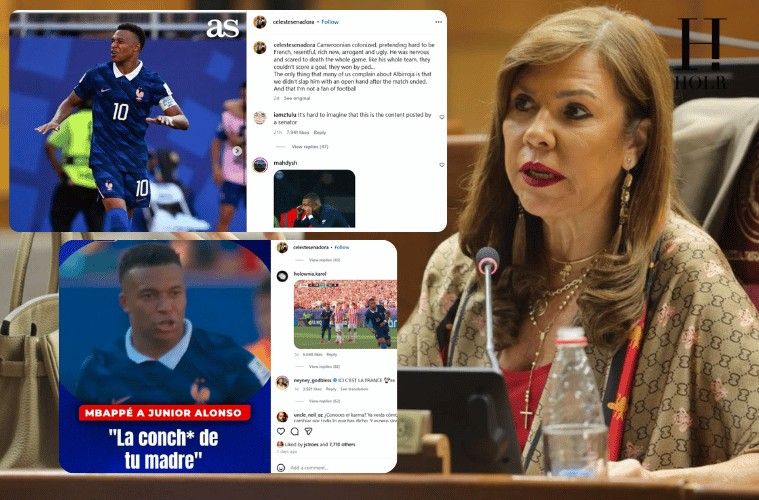
- French football star Kylian Mbappé has become the center of an international controversy after Paraguayan Senator Celeste Amarilla posted racist remarks following France’s World Cup victory over Paraguay. The comments quickly drew widespread condemnation from football officials, politicians, and fans around the world.
- The French Football Federation filed a legal complaint, prompting French prosecutors to open a criminal investigation into Amarilla’s comments. Authorities are investigating allegations of aggravated public insults and incitement to hatred or violence.
- While Amarilla later deleted the posts and expressed partial regret, she has also threatened legal action against Mbappé after he publicly called her “a despicable woman” who was “unworthy” of holding public office.
Published: July 7, 2026
Last Updated: July 8, 2026
What should have been remembered as another dramatic FIFA World Cup knockout victory has instead become one of the tournament’s biggest off-field controversies.
France’s hard-fought victory over Paraguay in the Round of 16 was expected to dominate football headlines after captain Kylian Mbappé converted the decisive penalty that sent his team into the quarterfinals.
Instead, the post-match conversation quickly shifted away from football.
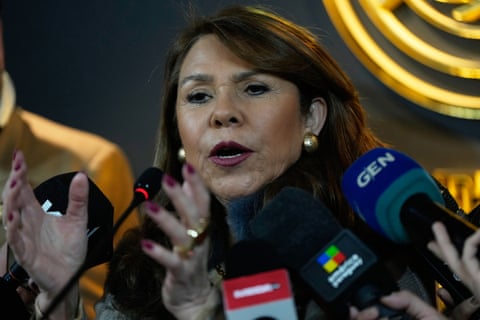
Within hours of the final whistle, a series of inflammatory social media posts published by Paraguayan Senator Celeste Amarilla ignited international outrage. The comments, which targeted Mbappé’s race, background, and identity, were widely condemned as racist and discriminatory by football organizations, government officials, and supporters across the globe.
Photograph: Jorge Sáenz/AP
What began as an online dispute soon escalated into an international diplomatic issue.
The French Football Federation formally reported the incident to prosecutors. France has since opened a criminal investigation into Amarilla’s remarks, while Paraguay’s government has publicly distanced itself from the senator’s statements. Even world leaders and international organizations have weighed in, transforming a post-match controversy into one of the most talked-about stories of the 2026 FIFA World Cup.
View this post on Instagram
How France’s Victory Over Paraguay Changed the Conversation
The controversy began immediately after France eliminated Paraguay in the FIFA World Cup Round of 16.
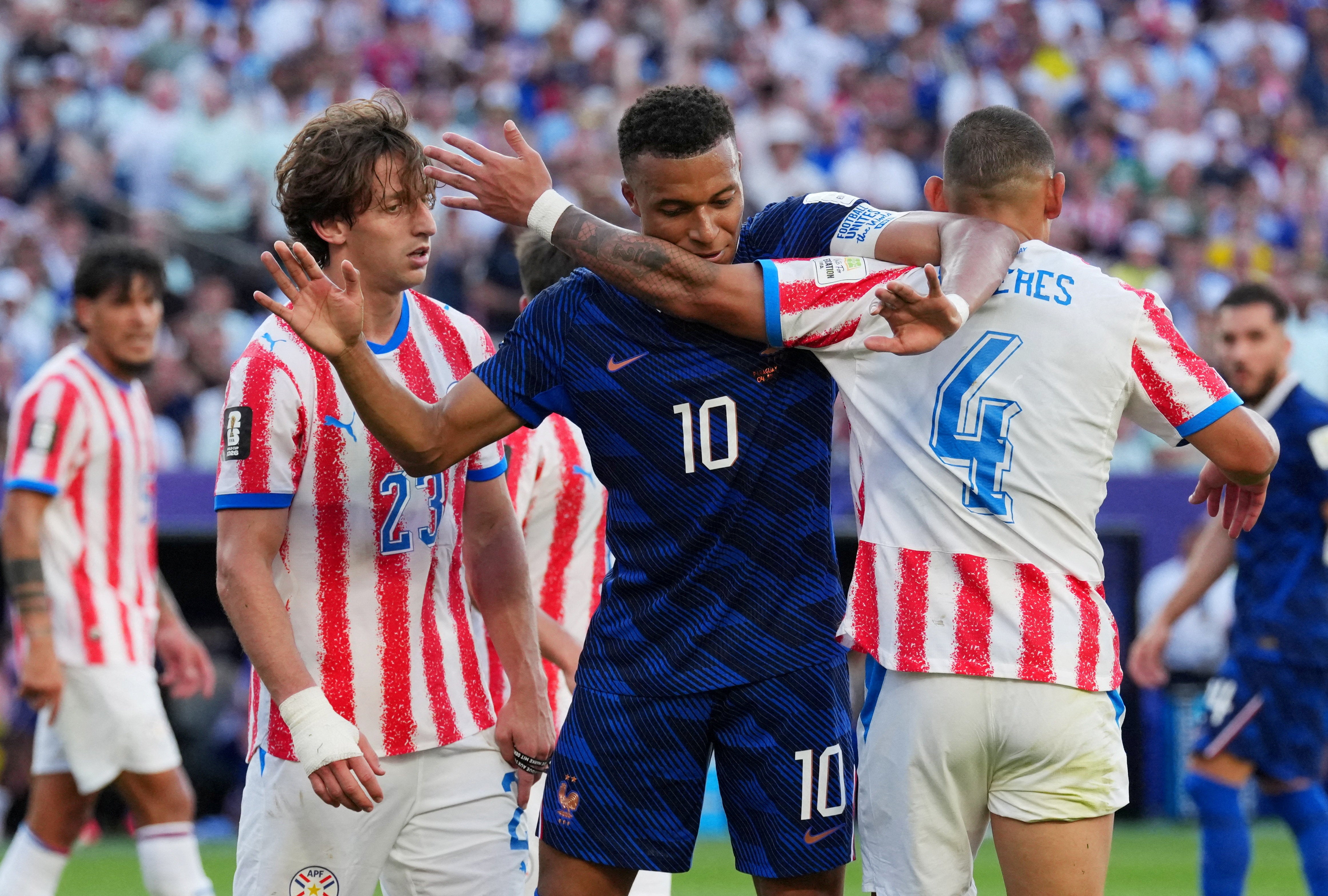
The tightly contested match remained scoreless before Kylian Mbappé converted the decisive penalty, securing France’s place in the tournament’s quarterfinals.
Reuters
For Paraguay, the defeat marked the end of what many supporters considered one of the nation’s strongest World Cup campaigns in years.
Although disappointment was understandable following such a narrow loss, the discussion quickly moved beyond football.
Instead of focusing on Paraguay’s performance or France’s victory, attention shifted toward comments posted online by Senator Celeste Amarilla, a prominent member of Paraguay’s Liberal Radical Authentic Party.
Her remarks immediately sparked criticism from journalists, football supporters, and anti-racism advocates, many of whom argued that the comments crossed the line from sporting frustration into racial abuse.
Who Is Celeste Amarilla?
Celeste Amarilla is a long-serving Paraguayan senator and one of the country’s most recognizable political figures.
Known for her outspoken style and frequent use of social media, Amarilla has often attracted headlines for controversial public statements throughout her political career.
Gentileza Senado
Following Paraguay’s World Cup exit, however, her comments received international attention unlike anything she had previously faced.
Rather than criticizing France’s tactics or questioning officiating decisions, Amarilla directed a series of personal remarks toward Mbappé himself.
The posts targeted his origins, appearance, upbringing, and identity, prompting immediate backlash both inside and outside Paraguay.
Although the senator later deleted the messages, screenshots had already spread widely across social media, fueling criticism from politicians, athletes, and football organizations around the world.
Why the Posts Triggered Worldwide Condemnation
The reaction was swift.
Many observers argued that Amarilla’s comments went far beyond emotional reactions following a football match.
View this post on Instagram
Instead, critics described the posts as racist attacks directed at one of the world’s most recognizable athletes.
Within hours, football supporters, journalists, and public officials began calling for accountability.
View this post on Instagram
The French Football Federation (FFF) condemned the remarks as “abject” and announced it would pursue legal action, emphasizing that racism has no place in football or society.
The controversy soon spread well beyond the sporting world.
Political leaders, human rights advocates, and international organizations joined the discussion, while social media platforms became flooded with messages supporting Mbappé and condemning racist abuse directed toward athletes.
Los 2 son despreciables, porque tu no estuviste a la altura tampoco.
Ya estás empezando igual que el balón de playa a excusarte en el racismo, cuando el primer cabrón que ha dicho cosas malas de Sudamérica eres tú, falso, hipócrita.— Barcelonismo puro (@FCB_puro) July 6, 2026
Kylian,usted habla de racismo y lo que dijo Dugarry No le molesta,usted le dijo a un jugador Pyo,hijo de Puta y está todo bien,te recuerdo que las mujeres Pyas fueron las que levantaron mi País después de una guerra injusta y cruel. Éxitos.@ABCDigital @UltimaHoracom pic.twitter.com/vbEoHEUKOI
— José Luis FelixChilavert Gonzalez (@JoseLChilavert_) July 7, 2026
Cook my brother
— M. Olise (@OliseM17) July 6, 2026
Merci Kylian pour tes positions contre le racisme
Du RN à Celeste Amarilla, la France est antiraciste.
— Ilan Gabet (@Ilangabet) July 6, 2026
For many observers, the incident became another reminder that racism remains one of football’s most persistent challenges—even on the sport’s biggest stage.
What Exactly Did Celeste Amarilla Say?
As criticism mounted online, many news outlets chose not to repeat Senator Celeste Amarilla’s comments in full because they contained language widely viewed as racist and discriminatory.
)
File image/AFP
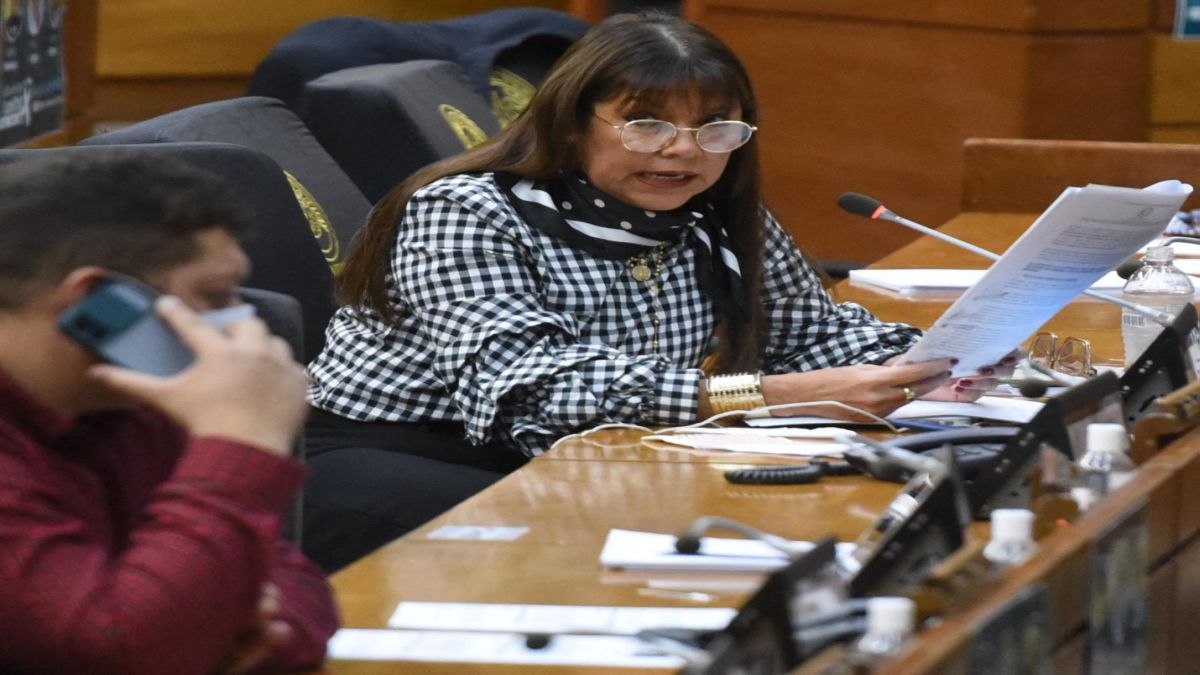
Instead of simply expressing disappointment over Paraguay’s World Cup exit, Amarilla directed a series of personal remarks at Kylian Mbappé, targeting his race, heritage, and identity. The comments quickly spread across social media, prompting accusations that she had crossed the line from political opinion into hate speech.
Her posts were widely shared before being deleted, allowing screenshots to circulate across international media.
The controversy intensified further after José Luis Chilavert, Paraguay’s legendary former goalkeeper and one of the country’s most recognizable football figures, also criticized Mbappé on social media. Although Chilavert’s comments attracted attention, Amarilla’s position as a sitting senator placed significantly greater scrutiny on her remarks and their potential impact.
As international criticism continued to grow, Amarilla removed the posts but defended her actions in subsequent interviews, insisting that she had simply exercised her right to express an opinion. She later acknowledged that some of her wording was inappropriate while denying that she intended to promote hatred.
Kylian Mbappé Breaks His Silence
For several days, Mbappé chose not to publicly respond as the controversy gained international attention.
That changed after French prosecutors confirmed they were reviewing the case.
In a strongly worded statement, Mbappé condemned the senator’s comments and described Amarilla as “a despicable woman, unworthy of her office.” He also stressed that her remarks did not represent the people of Paraguay, many of whom had condemned the comments themselves.
Madame Celeste Amarilla,
Vous êtes une femme méprisable et indigne de sa fonction.
Vous ne représentez pas le Paraguay, ce pays qui a transpiré la passion et l’honneur tout au long de la compétition. Par votre inconscience et votre racisme décomplexé, le monde entier a déjà… pic.twitter.com/EnYmgQXvPL— Kylian Mbappé (@KMbappe) July 6, 2026
Rather than focusing solely on the personal attacks directed at him, Mbappé used the opportunity to speak more broadly about racism in football.
The French captain said discrimination has no place in sport and called for greater accountability when public figures use their platforms to spread hateful rhetoric.
His response was praised by many supporters, athletes, and anti-racism organizations, while others noted that Mbappé had once again found himself addressing racism despite repeatedly speaking about the issue throughout his career.
France Opens a Criminal Investigation
The controversy reached another level after the French Football Federation (FFF) formally filed a legal complaint.
French prosecutors later confirmed that a criminal investigation had been opened into Amarilla’s social media posts.
According to officials, investigators are examining whether the comments constitute aggravated public insults based on race and incitement to hatred or violence, offences that can carry criminal penalties under French law.
While Amarilla lives in Paraguay, French authorities argue that the comments targeted a French citizen and were publicly accessible in France, giving prosecutors grounds to examine whether French hate speech laws apply.
Legal experts say international jurisdiction questions could become one of the most closely watched aspects of the case if prosecutors ultimately decide to pursue formal charges.
The investigation remains in its early stages, and authorities have not announced whether any additional legal measures will follow.
Real Madrid Publicly Backs Mbappé
As the controversy continued to grow, Real Madrid released an official statement condemning the racist and xenophobic remarks directed at Kylian Mbappé. The club said it “strongly rejects” the comments made by Paraguayan Senator Celeste Amarilla and reaffirmed its full support for the French forward.
The Spanish club described Mbappé as a role model for millions of young people around the world and reiterated its commitment to fighting racism, discrimination, and hatred both in football and society. Real Madrid also emphasized that comments of this nature—particularly from elected public officials—have no place in sport or public life.
Paraguay Distances Itself From the Senator’s Remarks
As international attention intensified, Paraguay’s government moved quickly to clarify that Amarilla’s comments reflected her personal views and not the official position of the country.
Government officials emphasized Paraguay’s commitment to respect, diversity, and fair play, while distancing themselves from the senator’s statements.
The controversy also sparked debate within Paraguay itself.
Many political figures, journalists, and football supporters criticized Amarilla’s comments, arguing they had damaged the country’s international image at a time when Paraguay’s national team had earned widespread praise for its performances during the World Cup.
Meanwhile, the French Football Federation, anti-racism organizations, and football supporters around the world continued expressing support for Mbappé, reinforcing calls for stronger action against discriminatory behaviour in football.
Amarilla Says She Has No Intention of Apologizing
Despite deleting the posts, Celeste Amarilla has largely refused to back away from the controversy.
In interviews with local media, she insisted that France had no authority to prosecute a Paraguayan senator for comments made on social media and questioned whether French courts had jurisdiction over her statements.
She also argued that Mbappé’s public response damaged her reputation and suggested she may pursue legal action against the football star over his remarks.
Although she acknowledged that some of her language could have been interpreted as offensive, Amarilla stopped short of offering a full public apology.
Instead, she maintained that her comments had been misunderstood, a position that has done little to quiet the growing international criticism.
What Happens Next?
Although the controversy began with a single series of social media posts, its consequences are likely to extend well beyond the 2026 FIFA World Cup.
French prosecutors are continuing their investigation into whether Celeste Amarilla’s remarks violated French hate speech laws, while legal experts continue debating whether France can pursue legal action against a foreign elected official whose comments were made outside the country.
At the same time, football’s governing bodies continue facing renewed pressure to strengthen efforts against racism both on and off the pitch.
The case has once again highlighted how social media has become an extension of modern sport, where comments made within minutes of a match can quickly evolve into international diplomatic and legal disputes.
For Mbappé, however, this is not the first time he has found himself responding to racist abuse.
Throughout his career, the French captain has repeatedly spoken about discrimination in football and has encouraged governing bodies to take stronger action against hate speech directed at players.
As of July 7, 2026, French prosecutors have officially opened their investigation, while Celeste Amarilla continues defending her comments and Kylian Mbappé has publicly condemned the remarks. With legal proceedings now underway, the controversy has evolved far beyond football, becoming an international discussion about racism, accountability, and the responsibilities of public officials.
Football’s Ongoing Battle Against Racism
The controversy surrounding Mbappé and Amarilla has also reopened a wider conversation about racism in international football.
Despite years of awareness campaigns from FIFA, UEFA, and national football associations, many players continue to experience racist abuse both inside stadiums and online.
Several of football’s biggest stars—including Vinícius Júnior, Bukayo Saka, Marcus Rashford, and Mbappé himself—have previously spoken publicly about discriminatory abuse they have received throughout their careers.
Many anti-racism organizations argue that while governing bodies have introduced stronger policies, meaningful progress also depends on public officials, supporters, and social media platforms responding quickly when hate speech occurs.
For many observers, the Amarilla controversy serves as another reminder that football’s fight against racism extends far beyond the final whistle.
Remembering What Started the Controversy
While the legal battle continues to dominate headlines, the incident ultimately began with a football match.
France’s victory over Paraguay should have been remembered for Mbappé’s decisive penalty and another step toward a potential World Cup title.
Instead, the match has become closely associated with an international controversy involving politics, racism, freedom of expression, and criminal law.
Although the investigation remains ongoing, the response from football organizations, governments, and supporters around the world has demonstrated a growing willingness to publicly challenge discriminatory behavior, regardless of where it originates.
As prosecutors continue their work and both sides maintain their positions, the story remains one of the World Cup’s most significant developments away from the pitch.
Conclusion
As of July 8, 2026, French prosecutors continue investigating the case while international support for Mbappé continues to grow. Alongside statements from the French Football Federation and the Paraguayan government, Real Madrid has now publicly condemned the senator’s remarks, reinforcing the widespread rejection of racism within football. Although the legal investigation remains ongoing, the controversy has already become one of the defining off-field stories of the 2026 FIFA World Cup.
FAQs
Why is Kylian Mbappé trending?
Kylian Mbappé is trending after Paraguayan Senator Celeste Amarilla posted racist remarks following France’s victory over Paraguay in the FIFA World Cup. The comments sparked international condemnation and led to a criminal investigation in France.
Who is Celeste Amarilla?
Celeste Amarilla is a Paraguayan senator and member of the Liberal Radical Authentic Party. She has been involved in Paraguayan politics for several years and recently faced international criticism over social media posts directed at Mbappé.
What did Celeste Amarilla say about Mbappé?
Amarilla published a series of social media posts targeting Mbappé’s race, heritage, and identity following Paraguay’s World Cup elimination. The posts were widely condemned as racist and were later deleted.
Has France opened an investigation?
Yes. French prosecutors have officially opened an investigation after receiving a complaint from the French Football Federation. The investigation is examining possible offences related to aggravated public insults and incitement to hatred or violence. Since then, Real Madrid has also publicly condemned the remarks, adding to the growing international response.
How did Kylian Mbappé respond?
Mbappé condemned the senator’s comments, calling her “a despicable woman” who was “unworthy of her office.” He also emphasized that her remarks did not represent the people of Paraguay and reiterated his opposition to racism.
Has Celeste Amarilla apologized?
Amarilla deleted the posts and acknowledged that some of her wording was inappropriate. However, she has not issued a full public apology and has instead argued that her comments have been misunderstood while suggesting she could pursue legal action against Mbappé.