


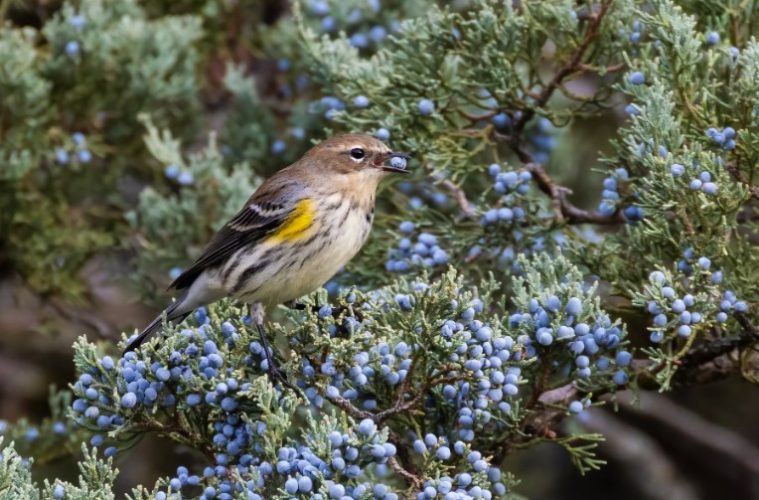
Help birds prepare for their journey south with these simple garden changes, from growing insect-friendly plants to providing high-energy food and shelter.
September 07, 2026
Why Fall Is Important for Migrating Birds
As summer winds down, many birds begin preparing for their seasonal migration south. These journeys can require enormous amounts of energy, so access to reliable food and safe places to rest can make a meaningful difference before birds set off.
Gardeners can help by making their outdoor spaces more useful to birds during this important period. Even a small garden, balcony, or windowsill can provide food and support, particularly when natural resources become harder to find.

Credit: Michael Warren
1. Grow Plants That Attract Insects
Many migrating birds rely heavily on insects to build up the calories they need before traveling. One of the simplest ways to help is to grow plants that attract insects, particularly native wildflowers that support a healthy population of small garden insects.
Flowering herbs such as mint and dill can also attract small flies while providing something useful for the kitchen. Rather than cutting everything back as summer ends, allow some flowering plants to go to seed. Native, berry-producing shrubs can provide another valuable food source when insects become less abundant.
2. Offer High-Energy Bird Food
Birds do not need to live in a large garden to benefit from extra food. A well-maintained feeder on a small property, patio, or even a suitable windowsill can give birds another opportunity to build up their energy reserves before migration.
Higher-calorie foods are particularly helpful during this period. Peanuts, suet, and sunflower hearts can provide valuable energy, while seed mixes containing black sunflower seeds offer additional fats. Providing a reliable food source can be especially useful as birds prepare for the demanding journey ahead.
3. Give Birds Places to Hide and Rest
Food is only part of what birds need. A garden that offers shelter can give them a safer place to rest, particularly when predators, rain, and increasingly cooler autumn temperatures become concerns.
Dense hedges, shrubs, and trees can create useful cover, while climbing vines provide additional leafy shelter. Mixed hedging can also serve as an alternative to fencing, giving birds both protection and potential roosting space. Empty nest boxes can provide another refuge, making autumn a good time to clean and disinfect them before colder weather arrives.

Credit: GarysFRP
4. Keep Feeders and Water Sources Clean
Whenever several birds gather around the same food or water source, hygiene becomes especially important. Dirty feeders can harbor mold, spoiled food, and conditions that increase the risk of disease spreading among visiting birds.
Before autumn feeding increases, thoroughly wash feeders with hot, soapy water or a wildlife-safe disinfectant. Keeping feeders in a sheltered location can also protect food from wet and windy weather. Adding more than one feeder can reduce crowding and give birds additional space while they eat.
Timing Your Garden Preparations
The weeks leading into fall migration are a useful time to assess what your garden already provides. Instead of removing every spent flower or cutting back all vegetation at the end of summer, consider leaving some plants in place so they can continue offering seeds and supporting insects.
It is also worth checking feeders and birdhouses before they become heavily used. A clean, well-positioned feeder and a protected nesting box can make your garden more welcoming without requiring a major overhaul.
Small Gardens Can Still Make a Difference
You do not need acres of land to support migrating birds. A few insect-friendly plants, a small feeder, or a container-grown native plant can provide useful resources even in a compact outdoor space.
For people without gardens, feeding birds from an appropriate balcony or windowsill can also offer support. The most important thing is to provide safe, clean, dependable resources rather than trying to create a perfect wildlife habitat overnight.
Think Beyond Food
It can be tempting to focus entirely on feeding birds, but a successful bird-friendly garden offers more than a meal. Shelter can protect birds from predators and bad weather, while healthy plants create habitat for the insects that many species naturally depend on.
That combination is what makes a garden more valuable. By providing food alongside cover and clean feeding areas, gardeners can support birds through a demanding period while also making their outdoor spaces more welcoming to wildlife throughout the year.
A Better Garden for Birds and People
Many of these changes benefit the garden itself as well. Native flowers add seasonal interest, herbs provide useful harvests, shrubs create structure, and healthier plant diversity can attract more wildlife.
The result is a garden that feels active rather than overly manicured. Allowing some plants to remain natural through the end of summer can create valuable resources for birds while giving the landscape a more relaxed autumn character.
Helping Birds Leave Stronger
Migration is one of the most demanding periods of the year for many birds, and the food and shelter available before departure can matter. Gardeners cannot control the challenges birds face along their routes, but they can make the starting point safer and more resource-rich.
A few thoughtful changes can turn an ordinary garden into a useful stopover. Planting for insects, offering nutritious food, providing shelter, and keeping feeding areas clean are simple ways to give birds a little extra help before they take flight.

Final Thoughts
Helping birds prepare for fall migration does not require a complicated garden project. A combination of insect-friendly plants, high-energy food, natural shelter, and clean feeders can provide valuable support as birds build up the energy they need for their journey south.
The best approach is to work with the garden you already have. Even a few small changes can create a more useful space for birds while making your outdoor area richer and more inviting for wildlife.
FAQs
What do migrating birds eat before fall migration?
Many migrating birds eat insects, seeds, berries, and other high-energy foods to build up the reserves needed for their long journeys.
What bird food is best during fall migration?
Peanuts, suet, sunflower hearts, and seed mixes containing black sunflower seeds are useful high-energy options during the fall.
Should I cut back my flowers before migration season?
Leaving some flowering plants in place can help because they may continue producing seeds and supporting insects that birds rely on.
How can I give migrating birds shelter?
Dense shrubs, hedges, trees, climbing vines, and clean empty nest boxes can provide places for birds to rest and shelter from predators and weather.
How often should bird feeders be cleaned?
Feeders should be cleaned regularly, particularly before and during periods of increased bird activity, to reduce mold, spoiled food, and disease risks.
Published by HOLR Magazine