


Wellness has turned into a business plan for a lot of millennials. The person selling greens powder on your feed rarely owns a factory. They own a label, a story, and a supplier who does the hard part behind the scenes.
Alt text: Rows of supplement capsules moving along a factory production line
That supplier is usually a contract manufacturer, and picking the right one shapes everything that follows. A partner such as Superior Supplement Manufacturing handles formulation, filling, and certification so a founder can focus on the brand. This guide walks through how that partnership actually works.
Why Start a Supplement Brand With a Contract Manufacturer?
Building your own facility is slow and expensive. A single cGMP-compliant plant can cost millions before a single capsule ships. That price puts it out of reach for most first-time founders.
A contract manufacturer rents you that whole setup. You bring the idea and the audience; they bring the equipment, the chemists, and the paperwork. The same discipline that turns celebrity brands into real companies applies here, because a good product still needs a serious operator behind it.
This model also lowers your risk. You can test a small run of 2,500 bottles and see how the market responds. Then you reorder without carrying a warehouse of unsold stock. That flexibility explains a clear trend. Roughly 3 out of 4 new supplement labels in North America go the private-label route rather than building in-house.
What Are the Steps to Launch a Private-Label Line?
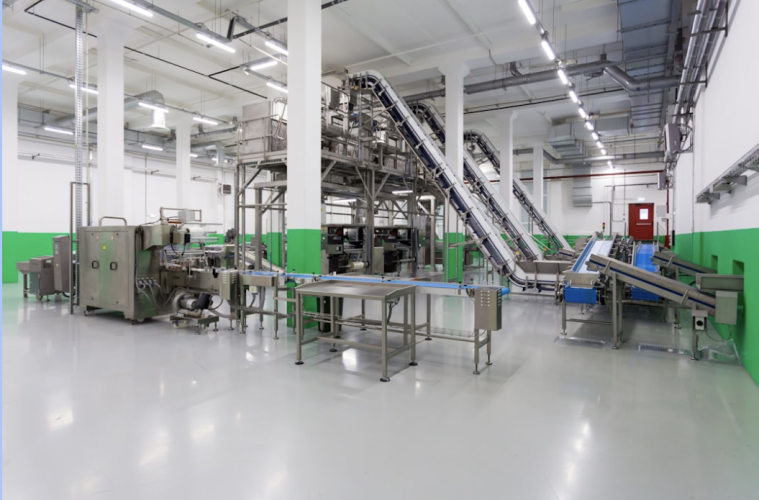
Photo by Petr on Unsplash
The path from idea to shelf follows a fairly predictable order. Knowing the sequence keeps a first launch from stalling.
- Define your product and target customer before anything else.
- Request samples and a formula from 2 or 3 manufacturers.
- Confirm certifications, minimum order quantities, and lead times.
- Approve labels, artwork, and third-party lab testing.
- Place your first purchase order and set a launch date.
Most founders underestimate step 2. Tasting a gummy or checking capsule size in person tells you more than any spec sheet. Expect the full process to run 4 to 6 months from first call to finished pallet. It runs longer if you want custom flavors or unusual delivery formats.
How Do Certifications and CGMP Rules Affect Your Brand?
In the United States, supplements sit under a specific rulebook. Manufacturers must follow current good manufacturing practices, known as cGMP under 21 CFR Part 111. These rules govern cleanliness, testing, and record keeping.
Those rules are the manufacturer’s job, not yours, but they protect your brand all the same. Getting your supplement labeling right matters just as much, since a Supplement Facts panel has strict formatting and every claim on the bottle must be defensible.
Extra certifications add trust that customers can see. NSF, USDA Organic, and TGA marks tell a shopper the product was tested by an outside body. That check does not come from the seller alone. For a Canadian audience shopping cross-border, those third-party seals often carry more weight than any founder’s promise.
What Should You Check Before Signing a Manufacturer?
Not every supplier fits every brand. Run through a short checklist before you commit, and treat the contract as a long relationship rather than a one-off order.
- Minimum order quantity: can you afford the first run, often 1,000 to 5,000 units?
- Certifications: do they hold NSF, USDA Organic, or the marks your market expects?
- Lead time: is a 90-day turnaround realistic for your launch calendar?
- Formulation help: will they tweak a stock formula or build one from scratch?
- Testing: do they run third-party lab checks on every batch?
- Packaging: can they handle bottles, pouches, and gummies under one roof?
Ask for references and a sample of current work. A founder like the one behind this live shopping platform will tell you that suppliers make or break a young company. Slow shipments or a failed test can sink a brand in its first year.
How Much Does It Cost to Launch?
A lean supplement launch is cheaper than most people guess. Many founders start with 10,000 to 25,000 dollars covering product, labels, and a small first order.
Marketing usually costs more than the product itself. Plan to spend at least 30 percent of your budget on photography, a website, and paid ads, because a great capsule nobody sees will not sell. Your claims have to stay honest too, and the rules on advertising claims require real evidence behind any health benefit you print. Start small, reinvest early profits, and scale the order size only once demand is proven.
The Short Version
- A contract manufacturer lets you launch without building a factory.
- Expect a 4 to 6 month timeline from first call to finished stock.
- cGMP compliance under 21 CFR Part 111 is the maker’s responsibility, not yours.
- NSF, USDA Organic, and TGA marks build customer trust fast.
- Budget 10,000 dollars or more and spend heavily on marketing.
- Vet minimum orders, lead times, and third-party testing before signing.
From Idea to Shelf
A supplement brand no longer needs a lab coat or a warehouse to begin. It needs a clear idea, an audience that trusts you, and a manufacturing partner who treats quality as their job. Get those three right, and your first bottle can reach a customer far sooner than you think.
FAQ
Do I Need My Own Facility to Sell Supplements?
No. Most new brands use a contract or private-label manufacturer that already meets cGMP standards. You focus on branding and sales while the supplier handles production and testing.
How Long Does It Take to Launch a Line?
Plan for about 4 to 6 months from your first supplier call to finished stock. Custom formulas, special flavors, or unusual packaging can stretch that timeline. Ordering samples early is the best way to avoid delays.
What Certifications Should I Look For?
Look for cGMP compliance first, then third-party marks like NSF, USDA Organic, or TGA. These outside seals show a product was tested independently. They matter most when customers cannot see your operation for themselves.
How Much Money Do I Need to Start?
Many founders begin with 10,000 to 25,000 dollars for product, labels, and a first order. Marketing often costs more than the product itself. Starting with a small batch keeps your early risk low.
Published by HOLR Magazine.