


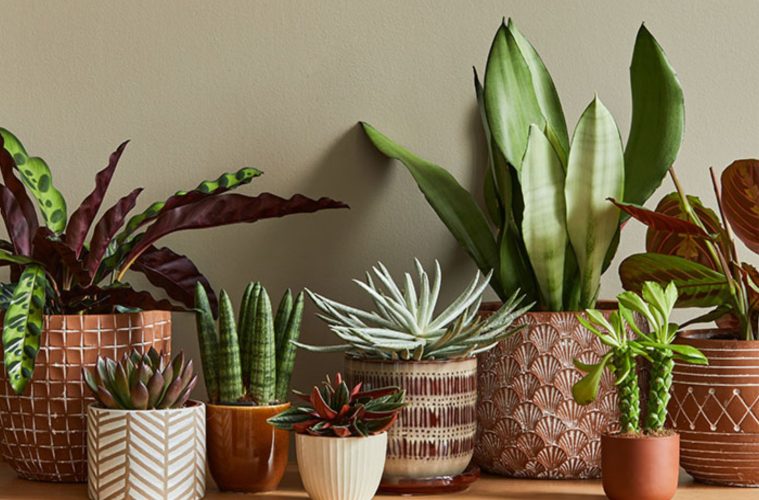
From size and drainage to material and style, here’s how to choose a pot that helps your plants thrive while looking great in your home.
September 5, 2026: Choosing a pot for a houseplant might seem like a simple decorating decision, but the right pot can make a real difference to your plant’s health. A container that’s too small can restrict roots, while one that’s too large can hold excess moisture and potentially create problems for the plant.
With so many shapes, materials, sizes and designs available, it can be difficult to know which pot is actually right for your plant.
The good news is that you don’t need to be an expert gardener to get it right. Once you understand a few basic rules, choosing the perfect pot becomes much easier.

Image Credit: plantperfect.com
Start With the Right Pot Size
The first thing to consider is the size of your plant’s current root system.
A common mistake is moving a small plant into a huge pot because you want to give it plenty of room to grow. While that may sound logical, too much unused soil around the roots can retain moisture for longer than necessary.
For many houseplants, choosing a pot that’s only slightly larger than the current container is a better approach.
When repotting, look for a container that is generally about 1–2 inches wider in diameter than the existing pot for smaller plants. Larger plants may need a slightly bigger increase, depending on their growth and root system.
The goal is to give the roots room to grow without overwhelming them.
Drainage Holes Are Essential
If there’s one feature you should prioritize when buying a plant pot, it’s drainage.
A pot with drainage holes allows excess water to escape instead of sitting around the plant’s roots.
Without proper drainage, overwatering becomes much easier, particularly for plants that prefer their soil to dry out between waterings.
If you fall in love with a decorative pot that doesn’t have a drainage hole, consider using it as a cover pot instead. Keep the plant in a nursery pot with drainage holes and place that container inside the decorative one.
Just remember to remove the inner pot when watering if water tends to collect at the bottom.
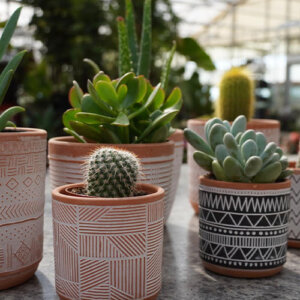
Image Credit: plantperfect.com
Consider the Plant’s Watering Needs
Different plants have different moisture requirements, so the ideal pot can depend on the species you’re growing.
Plants that prefer relatively dry conditions, such as many succulents and cacti, generally benefit from containers with excellent drainage and a soil mix that doesn’t stay wet for long.
Plants that enjoy more consistent moisture may have different requirements.
Before choosing a pot, find out what your particular plant prefers.
A beautiful container isn’t useful if it creates conditions that are unsuitable for the plant.
Think About Pot Material
Plant pots come in a variety of materials, and each one has its own advantages.
Common options include:
- Terracotta
- Ceramic
- Plastic
- Metal
- Concrete
- Fiberglass
- Wood
Your choice should depend on both your plant’s needs and where you plan to keep it.
Terracotta Pots
Terracotta is a classic choice for houseplants.
Because the material is porous, it can allow moisture to evaporate from the soil and can be useful for plants that don’t like consistently wet conditions.
Terracotta also has a timeless, earthy appearance that works well with a wide range of interior styles.
The downside is that terracotta can dry out more quickly than some other materials, so plants in these pots may require closer attention to watering.
It can also be relatively fragile.

Image Credit: plantperfect.com
Ceramic Pots
Ceramic pots are popular because they combine functionality with decorative appeal.
Glazed ceramic pots don’t absorb water in the same way unglazed terracotta does, meaning moisture can remain in the soil for longer.
They’re available in almost endless colors, shapes and finishes, making them an easy way to add personality to your plant collection.
Just make sure the ceramic pot has proper drainage or use it as a decorative cover pot.
Plastic Pots
Plastic nursery pots are lightweight, affordable and practical.
They’re especially useful if you regularly move plants around or have larger plants that would become difficult to lift in heavy containers.
Plastic also doesn’t dry out as quickly as porous terracotta, which can be useful for plants that prefer more consistent moisture.
The main drawback is that basic plastic pots may not offer the decorative look you’re after.
Fortunately, they can easily be placed inside attractive cover pots.
Match the Pot to the Plant’s Root System
The way a plant grows below the soil can also help determine the shape of the container you need.
Some plants have shallow or spreading root systems, while others develop deeper roots.
A tall pot isn’t automatically better simply because the plant itself is tall.
Before buying a new container, research whether your plant prefers a wider or deeper growing space.
You should also check whether the plant is root-bound.
If roots are circling densely around the inside of the current container, it may be time to move up a size.

Image Credit: plantperfect.com
Don’t Choose a Pot That’s Too Deep
A deep pot can contain a large amount of soil that the plant’s roots may not actually use.
That additional soil can retain moisture for longer, increasing the risk of overwatering.
Choose a container that provides enough room for the roots without adding unnecessary depth.
Again, the plant’s specific root structure is the best guide.
Consider the Weight
The pot’s weight matters more than you might think.
If your plant sits on a shelf, small table or windowsill, a heavy ceramic or concrete container may not be practical.
On the other hand, a lightweight pot can become unstable when holding a tall plant.
For larger floor plants, a heavier container can provide useful stability.
Think about the finished weight of the pot, soil and plant together before placing it on furniture.
Think About Your Home’s Environment
Where you plan to keep the plant should also influence your choice.
For example, a plant sitting on a sunny windowsill may dry out more quickly than one in a darker, cooler corner.
A terracotta pot may work well for a plant that needs its soil to dry between waterings, while a moisture-retaining material may be more convenient for a plant that prefers consistent moisture.
If you’re placing a plant outdoors, also consider weather exposure and whether the container can withstand temperature changes.
Choose a Shape That Works for Your Space
Once you’ve considered the practical requirements, you can have fun with the design.
Round pots are classic and versatile, while square or rectangular planters can work well in modern interiors.
Tall planters can help create a dramatic look with larger plants, while low bowls can complement plants with spreading foliage.
Don’t choose a shape purely because you like how it looks, though.
Make sure the plant’s root system and growth pattern can comfortably fit inside it.
Don’t Forget the Saucer
A saucer underneath a pot can protect floors, shelves and furniture from excess water.
This is particularly important for indoor plants.
Make sure the saucer is large enough to catch water draining from the pot but doesn’t allow the container to sit permanently in a pool of water.
After watering, empty any standing water when necessary.
Should You Repot a New Plant Immediately?
Not always.
When you bring a new plant home, give it some time to adjust to its new environment before immediately changing its container unless there is an obvious reason it needs repotting.
For example, if the plant is severely root-bound, the soil is staying excessively wet or the current container has poor drainage, repotting may be necessary sooner.
Otherwise, you can take some time to observe how the plant responds to its new surroundings.
Signs Your Plant Needs a Bigger Pot
Your plant may be ready for a larger container if you notice:
- Roots growing through drainage holes
- Roots tightly circling the inside of the pot
- Water running through the pot unusually quickly
- The plant drying out much faster than before
- Noticeably slowed growth during an otherwise healthy growing period
- The plant becoming unstable or top-heavy
These signs don’t always mean repotting is immediately necessary, so consider the plant’s overall health and growing conditions.
Don’t Forget the Potting Mix
The container is only one part of the equation.
The soil or potting mix you use also needs to suit the plant.
A cactus or succulent generally needs a different growing medium from a tropical houseplant that prefers more moisture.
Avoid automatically filling every pot with the same soil.
Choosing the right pot and the appropriate potting mix together can create a much better environment for healthy root growth.
How to Choose a Decorative Cover Pot
If you want maximum flexibility, using a nursery pot inside a decorative cover pot can be an excellent option.
The inner pot provides drainage and can easily be removed for watering, while the outer pot gives you the aesthetic you want.
This also makes it easier to change your decor without repeatedly disturbing the plant.
When choosing a cover pot, make sure there’s enough space for the nursery pot and check that water doesn’t remain trapped at the bottom.
A Simple Pot-Choosing Checklist
Before buying a new pot, ask yourself:
Is it the right size?
Choose a container that gives the roots room without providing excessive unused soil.
Does it have drainage?
Prioritize drainage holes whenever possible.
Does the material suit the plant?
Consider whether the plant prefers faster or slower moisture loss.
Is it stable enough?
Make sure the container can safely support the plant once filled with soil.
Does it suit the location?
Think about sunlight, temperature, humidity and available space.
Do you actually like the design?
Your plant pot is also part of your home’s decor, so choose something you’ll enjoy seeing.
The Bottom Line
The perfect plant pot isn’t necessarily the biggest, most expensive or most beautiful one.
It’s the one that gives your plant enough room for its roots, allows excess water to escape and suits the plant’s specific growing needs.
Start with size and drainage, then consider material, weight, shape and style.
Once you’ve got those basics right, you can choose a pot that not only keeps your plant happy but also complements your home.
FAQs
How do I know what size pot my plant needs?
Choose a pot that’s appropriately sized for the plant’s current root system. When moving up, a slightly larger container is generally preferable to a dramatically larger one.
Should every plant pot have drainage holes?
Drainage holes are highly recommended because they allow excess water to escape. If you prefer a decorative pot without drainage, use it as a cover pot around a nursery pot that has drainage.
Is terracotta better than plastic for plants?
Neither is universally better. Terracotta is porous and can allow soil to dry more quickly, while plastic generally retains moisture for longer. Choose based on the plant’s watering needs.
What are the biggest stories trending online today? Read the latest here
Published by HOLR Magazine