


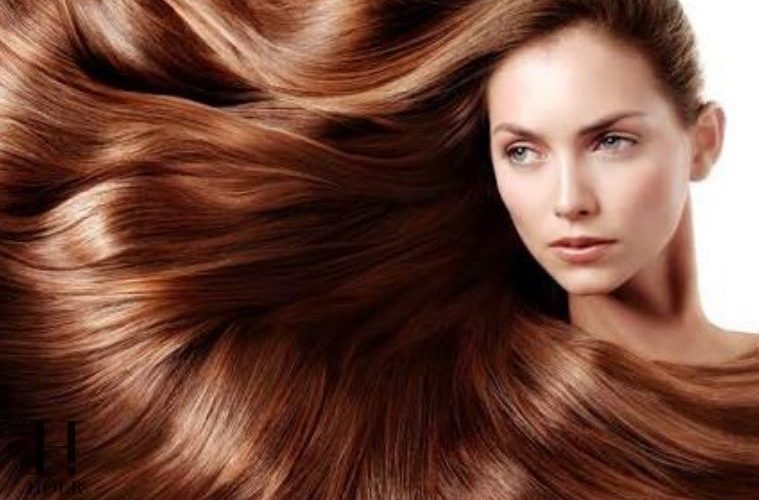
From washing and conditioning to heat styling, nutrition and everyday habits, these simple hair-care tips can help you maintain stronger, healthier-looking hair.
August 28, 2026: Healthy hair does not necessarily require an expensive collection of products or a complicated routine. In many cases, the condition of your hair comes down to simple everyday habits, including how often you wash it, how you handle it when it is wet, how frequently you use heat and whether you are protecting it from unnecessary damage.
Hair can become dry, brittle, frizzy or prone to breakage for many reasons. Colour treatments, heat styling, tight hairstyles, environmental exposure and even the way you brush your hair can all play a role.
The good news is that you do not have to completely change your routine to start taking better care of your hair.
HOLR breaks down some of the most practical ways to keep your hair healthy and strong, whether your hair is straight, wavy, curly, thick, fine, colored, or naturally textured.
Know Your Hair Type First
One of the biggest mistakes people make with hair care is following a routine simply because it works for someone else.
Your hair has its own needs.
Fine hair may become weighed down by rich products, while thick or curly hair may need more moisture. An oily scalp may require more frequent washing, while a dry scalp may feel uncomfortable with excessive cleansing.
Your hair’s texture, thickness, scalp condition, and level of damage should all influence the products and routine you choose.
Instead of buying products because they are popular online, pay attention to how your own hair responds.
If your hair looks greasy quickly, you may need a different routine from someone whose hair stays dry for several days.

Image Credit: healthline
Wash Your Hair According to Your Needs
There is no single washing schedule that works for everyone.
Some people need to wash their hair frequently because their scalp becomes oily quickly. Others can go several days between washes.
How often you should wash your hair can depend on your scalp, hair type, lifestyle, and how much product you use.
The important thing is to focus on your scalp rather than aggressively washing the entire length of your hair.
When shampooing, gently massage the product into your scalp with your fingertips. Avoid scratching with your nails, as aggressive scrubbing can irritate the skin.
The lengths of your hair will generally be cleaned as the shampoo is rinsed through them.
Choose a Shampoo That Suits Your Scalp
The most expensive shampoo is not automatically the best shampoo for you.
Look for a product that suits your scalp and addresses your specific needs.
If your scalp becomes oily, a lightweight cleansing shampoo may be more suitable. If your hair is dry or damaged, you may prefer a gentler formula designed to help retain moisture.
If you have persistent itching, flaking, redness or other scalp concerns, consider speaking with a dermatologist rather than continually switching cosmetic products.
Your scalp is skin, and it deserves the same attention as the rest of your skin-care routine.
Do Not Skip Conditioner
Shampoo and conditioner serve different purposes.
While shampoo is primarily used to cleanse the scalp and hair, conditioner helps improve the feel and manageability of the hair.
Apply conditioner mainly through the lengths and ends, particularly if your roots become oily quickly.
Leave it on according to the product instructions before rinsing.
If your hair is particularly dry or damaged, a weekly deep-conditioning treatment may also help improve softness and manageability.
Be Gentle With Wet Hair
Wet hair can be more vulnerable to breakage, so handling it roughly immediately after washing is not ideal.
Instead of aggressively rubbing your hair with a towel, gently squeeze out excess water.
A soft microfiber towel or cotton T-shirt can be a gentler alternative to vigorous towel drying.
When detangling, start at the ends and gradually work your way upward.
This helps prevent you from pulling through large knots and putting unnecessary stress on the hair.
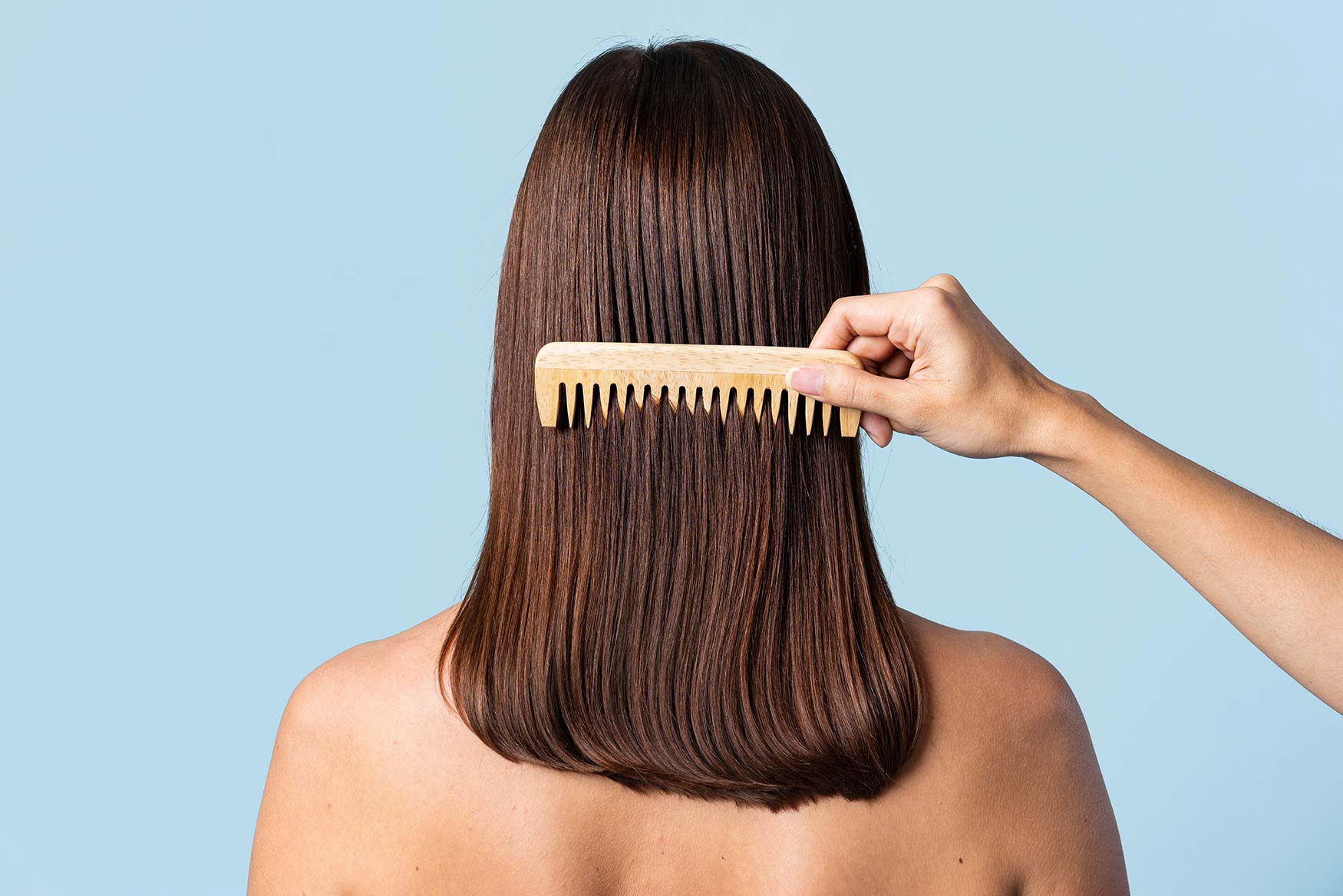
Image Credit: Batiste Dry Sshampoo
Avoid Excessive Heat Styling
Straighteners, curling irons, blow dryers, and other heated styling tools can make creating a particular hairstyle much easier, but frequent high-heat styling can contribute to hair damage.
If you use heat regularly, try to reduce the temperature and avoid repeatedly passing a hot tool over the same section of hair.
Always use a heat-protectant product before styling.
You can also experiment with hairstyles that require little or no heat.
Allowing your hair to air-dry partially before using a blow dryer can also reduce the amount of time it is exposed to heat.
Give Your Hair Breaks From Tight Hairstyles
Ponytails, buns, braids and other pulled-back styles can be convenient, but wearing very tight hairstyles repeatedly can place tension on the hair and scalp.
Try not to keep your hair pulled tightly every day.
Switch between different styles and avoid tying your hair so tightly that your scalp feels sore.
If you regularly notice broken hairs around your hairline or discomfort after wearing a particular style, loosen it or choose a different hairstyle.
Be Careful When Brushing
Brushing should not feel like a battle against your hair.
If your hair tangles easily, divide it into smaller sections and work through knots slowly.
Start at the ends and move upward instead of dragging a brush from the roots all the way down through a tangled section.
The right brush or comb can also make a difference depending on your hair texture.
Curly and textured hair, for example, may benefit from different detangling techniques than straight hair.
Image Credit; Maryns
Protect Your Hair While Sleeping
Your nighttime routine can also affect how your hair looks and feels.
If your hair becomes tangled or frizzy overnight, consider loosely tying it back or using a protective hairstyle that does not place excessive tension on the roots.
Some people also prefer silk or satin pillowcases because the smoother surface may reduce friction compared with certain rougher fabrics.
A satin or silk bonnet can be another option for people with curly or textured hair.
The goal is not to create a complicated nighttime routine. It is simply to reduce unnecessary pulling and friction.
Get Regular Trims
Trimming your hair does not make it grow faster from the scalp, but it can help keep the ends looking healthier.
Split ends cannot permanently repair themselves. Once the hair fibre has split, cutting the damaged section is the way to remove it.
How often you need a trim depends on your hairstyle, hair type and how quickly your ends become damaged.
If you regularly use heat or chemical treatments, you may notice that your ends need more attention.
Protect Your Hair From the Sun
Your hair can also be affected by environmental exposure.
Long periods in strong sunlight can contribute to dryness and colour fading, particularly in chemically treated or coloured hair.
If you are spending a lot of time outdoors, consider wearing a hat or using hair products that offer UV protection.
A wide-brimmed hat can also protect your scalp, particularly if you have areas where the hair is naturally thinner.
Be Careful With Hair Colour and Chemical Treatments
Hair colour, bleaching, relaxing treatments, straightening treatments and perms can change the structure of the hair.
These treatments do not automatically mean your hair will become unhealthy, but repeated chemical processing can make hair more fragile.
If you colour your hair regularly, give it appropriate time between treatments and follow the instructions provided with the product or by your stylist.
Avoid combining several aggressive chemical treatments without professional advice.
If your hair has become extremely brittle or is breaking easily, consider reducing chemical processing until it has had time to recover.
Keep Your Hair Moisturized
Dry hair tends to feel rough, look dull and become more prone to breakage.
Conditioner is one of the easiest ways to add moisture and improve manageability.
Depending on your hair type, you might also use a leave-in conditioner, hair mask or lightweight oil on the lengths and ends.
However, more product does not always mean healthier hair.
If your hair becomes greasy, heavy or coated, you may simply be using more product than you need.
Start with a small amount and adjust according to how your hair responds.
Pay Attention to Your Diet
Hair is made primarily of a protein called keratin, so adequate nutrition matters for normal hair growth.
A balanced diet that includes sufficient protein, fruits, vegetables, whole grains, and healthy fats supports overall health and provides the nutrients your body needs.
Good sources of protein include eggs, fish, poultry, dairy products, beans, lentils, tofu, and other protein-rich foods.
Iron, zinc and certain vitamins are also important for normal body functions related to hair growth.
However, taking hair supplements is not automatically the answer.
Unless you have a nutritional deficiency or a healthcare professional recommends supplementation, taking high doses of certain vitamins or minerals may not provide a benefit and can sometimes cause problems.
If you are experiencing significant or sudden hair shedding, it is better to speak with a healthcare professional to investigate the possible cause.
Drink Enough Water
Hydration is important for your overall health, although drinking more water alone will not suddenly transform damaged hair.
If you are not getting enough fluids, staying hydrated can support normal bodily functions.
Think of hydration as part of your overall wellness rather than a quick hair-growth solution.
Your hair care routine still matters when it comes to protecting the hair fibre itself.
Avoid Constantly Touching Your Hair
It may seem harmless, but repeatedly running your hands through your hair can transfer oil and product from your hands onto the hair.
It can also disturb hairstyles and contribute to tangling.
If you have a habit of constantly touching or twisting your hair, becoming more conscious of it can help reduce unnecessary manipulation.
Keep Your Hair Tools Clean
Your brushes, combs and styling tools come into regular contact with your hair and scalp.
Over time, they can collect hair, product residue, oil and dust.
Clean your brushes and combs regularly according to their material and manufacturer’s instructions.
If you share hair tools with other people, cleaning them becomes even more important.
Keeping your tools clean is a simple part of maintaining good personal care habits.
Do Not Ignore Your Scalp
Healthy-looking hair starts with taking care of the scalp.
Pay attention to changes such as persistent itching, excessive flaking, redness, painful areas or unusual sensitivity.
A little occasional dryness may not be a major concern, but persistent or worsening scalp problems deserve attention.
Avoid constantly scratching or using harsh products in an attempt to fix the problem yourself.
If a scalp issue does not improve, a dermatologist or healthcare professional can help identify the cause and recommend appropriate treatment.

Image Credit: Goldie Locks
Understand That Hair Shedding Is Normal
Finding a few hairs in your brush, shower or on your clothing does not automatically mean something is wrong.
Hair naturally goes through a growth cycle, and some daily shedding is normal.
However, a sudden increase in shedding, visible thinning, bald patches or other significant changes should not simply be ignored.
Stress, illness, hormonal changes, nutritional deficiencies, medications and other factors can affect hair growth and shedding.
If you notice a significant change, talk to a healthcare professional rather than relying only on cosmetic hair products.
Choose Products Based on Your Hair’s Needs
The hair-care industry offers an enormous number of products, from scalp scrubs and masks to oils, serums and leave-in treatments.
You do not need all of them.
A basic routine can be surprisingly simple:
Cleanse: Use a shampoo suited to your scalp.
Condition: Apply conditioner to improve softness and manageability.
Protect: Use heat protection if you use heated styling tools.
Treat: Add a mask or leave-in product if your hair needs additional moisture or conditioning.
Style: Avoid excessive manipulation and very high heat.
A simple routine that you follow consistently is usually more useful than a complicated routine filled with products you rarely use.
Give Your Hair Time to Improve
Hair does not become healthier overnight.
If your hair has been exposed to frequent heat, bleaching, tight hairstyles or rough handling, changing those habits can help prevent further damage, but existing damage cannot always be reversed.
Be patient.
Focus on protecting new growth, minimizing breakage and taking care of your scalp.
Over time, these habits can help your hair look and feel better.
A Simple Healthy Hair Routine
If you want to simplify everything, start with these basic habits:
- Wash your hair according to your scalp’s needs.
- Use conditioner regularly.
- Be gentle when your hair is wet.
- Detangle from the ends upward.
- Use heat protection before styling.
- Reduce excessive heat.
- Avoid consistently tight hairstyles.
- Protect your hair from strong sun exposure.
- Keep brushes and styling tools clean.
- Eat a balanced diet with adequate protein.
- Avoid unnecessary chemical treatments.
- Trim damaged ends when needed.
- Pay attention to your scalp.
- Seek professional advice if you notice unusual hair loss or scalp changes.
You do not have to make every change at once.
Start with the habits that are most relevant to your hair.
The Bottom Line
Keeping your hair healthy and strong is less about finding one miracle product and more about reducing unnecessary damage while giving your hair and scalp consistent care.
HOLR breaks down the story here: healthy-looking hair usually comes from simple habits repeated over time—gentle washing, regular conditioning, less excessive heat, careful brushing, balanced nutrition and attention to your scalp.
Your ideal routine may look different from someone else’s. Fine hair, thick hair, curly hair, coloured hair and naturally dry hair can all require different approaches.
The most important thing is to pay attention to how your own hair responds.
And if you notice sudden hair loss, significant thinning, bald patches or ongoing scalp problems, do not assume that a new shampoo will solve the issue. Speaking with a healthcare professional can help determine what is actually happening.
Healthy hair care does not have to be complicated. Start with the basics, be consistent and give your hair time.
FAQs
How can I make my hair healthier and stronger?
Focus on gentle washing, regular conditioning, reducing excessive heat styling, avoiding very tight hairstyles, eating a balanced diet and protecting your hair from unnecessary damage. Consistency is more important than having a complicated routine.
How often should I wash my hair?
There is no universal schedule. Washing frequency depends on your scalp, hair type, lifestyle and how much styling product you use. Wash when your scalp needs cleansing rather than following a fixed schedule simply because it works for someone else.
Does heat styling damage hair?
Frequent exposure to high heat can contribute to hair damage and breakage. Using lower temperatures, applying heat protectant and reducing how often you use heated tools can help minimize unnecessary damage.
What foods are good for healthy hair?
A balanced diet containing adequate protein, vegetables, fruits, whole grains and healthy fats supports overall health and provides nutrients needed for normal hair growth. If you suspect a nutritional deficiency, speak with a healthcare professional before taking supplements.
When should I see a doctor about hair loss?
Consider speaking with a healthcare professional if you experience sudden or excessive shedding, noticeable thinning, bald patches, scalp pain or persistent scalp problems. Hair changes can have many causes and may require professional evaluation.
Published by HOLR Magazine