


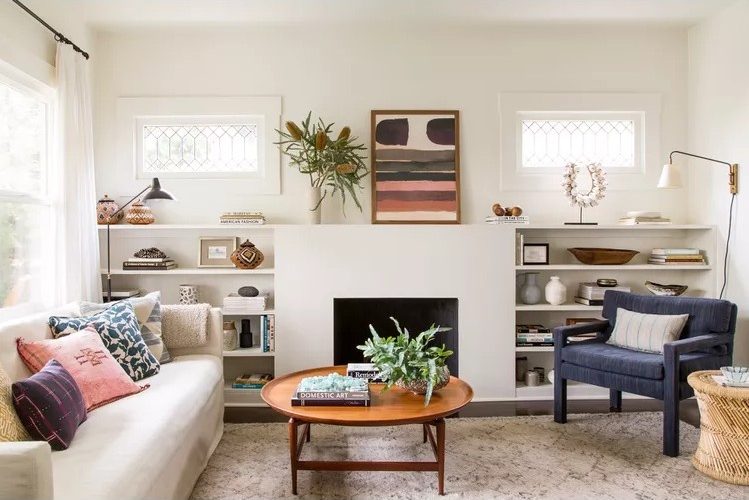
Designers reveal seven simple ways to make a home feel warmer and more inviting, from layered lighting and cozy textiles to thoughtful scents and greenery.
A Welcoming Home Starts With How It Feels
August 18, 2026 – A beautiful home is not necessarily the same thing as a welcoming one. A room can have stylish furniture and carefully chosen decor, yet still feel cold or impersonal if it does not engage the senses beyond what we see.
Interior designers say creating a warmer atmosphere is often less about undertaking a major renovation and more about making thoughtful adjustments to lighting, texture, scent, sound and natural elements.
The idea is to create a space that encourages people to relax and stay awhile. That can be especially meaningful at a time when so much of daily life happens through screens and technology, making the home an increasingly important place for genuine connection.
:max_bytes(150000):strip_icc():format(webp)/white-living-coastal-accents-6271f154-d05c22aca3c44ad3b7a7d37bcb90bfdd.jpg)
Credit: Joyelle West
Build A Layered Lighting Plan
Lighting can completely change the mood of a room, and relying on one bright ceiling fixture is one of the easiest ways to make a space feel less inviting.
Instead, use several light sources at different heights and levels of brightness. A combination of floor lamps, table lamps and other ambient fixtures can create a softer atmosphere while allowing you to adjust the room depending on the time of day.
Dimmers can make the setup even more flexible. Rather than having the same intensity from morning through evening, lighting can become progressively softer as the day winds down.
Choose Warm Bulbs Over Harsh White Light
The type of bulb matters just as much as the number of light sources. Designers recommend avoiding very cool, blue-white lighting in living spaces because it can make a room feel stark rather than cozy.
A soft white 2700K dimmable bulb is a warmer option that can give interiors a subtle golden glow. It can also flatter skin tones while bringing out the warmth of wood, textiles and other natural materials.
The change can be remarkably simple. Swapping a few bulbs may have a greater effect on the atmosphere than adding another decorative object.
:max_bytes(150000):strip_icc():format(webp)/dark-teal-living-room-9dfe455e-0941f7c930b0466182cc701832dedbe5.jpg)
Credit: Marty Baldwin
Bring In Soft, Comfortable Textiles
Texture is another quick way to make a room feel more inviting. Plush pillows, cozy throws, soft rugs and curtains can make spaces feel physically warmer while also adding visual depth.
These materials can have another benefit that is easy to overlook: they help soften the acoustics of a room. Hard floors and bare surfaces can allow sound to bounce around, sometimes creating an echo that makes a space feel less comfortable.
Adding textiles helps absorb some of that sound while simultaneously making the room more appealing. Even a few strategically placed cushions or a soft blanket can make a noticeable difference.
Create A Signature Scent
Scent can influence the way a person experiences a room almost immediately, making it an important part of a welcoming home.
Rather than overwhelming the space with multiple competing fragrances, choose a scent that feels intentional and complements the atmosphere you want to create. A calming fragrance in an entryway, for example, can establish the mood before guests even reach the main living areas.
The key is subtlety. A home should smell fresh and pleasant without feeling as though fragrance is the first thing visitors notice.
:max_bytes(150000):strip_icc():format(webp)/living-room-rug-lounge-chairs-0f63d24a-ad5256d752f742eeb8a05b958f61dfae.jpg)
Credit: Tria Giovan
Add Small Luxuries To Everyday Spaces
Making a home feel special does not always require expensive furniture or elaborate decorating projects. Small details can make ordinary routines feel more considered.
Fresh flowers are one option. A simple arrangement featuring a single type of flower can create a calm, polished effect, particularly when displayed in a vase with its own character.
The same principle can be applied elsewhere. Plush towels in the bathroom or a high-quality hand soap in a powder room can turn functional spaces into areas that feel more cared for.
These details may be small, but they communicate thoughtfulness.
Use Greenery To Bring The Outdoors In
Plants and fresh flowers can instantly introduce color and life to an interior. They also create a visual connection with nature, which can make a room feel more grounded.
A tall floor plant can work particularly well because it adds height and a sculptural quality without requiring additional artwork or furniture.
Smaller plants can be distributed throughout a home to create continuity between rooms. Even a single piece of greenery can soften a space dominated by hard materials and neutral colors.
The goal is not to fill every available surface with plants. Instead, use greenery intentionally to give the room a more natural and lived-in character.
:max_bytes(150000):strip_icc():format(webp)/living-room-dark-ceiling-c03e1d4c-7136f1ca39dd4fe78f65a9f7a06ac401.jpg)
Credit: Jim Franco
Soften The Sound Of Your Space
Sound is easy to overlook when decorating because it cannot be seen, but it can have a major impact on whether a room feels comfortable.
Bare floors, empty walls and large expanses of hard surfaces can make everyday sounds more noticeable. That can create an environment that feels harsh or overly energetic, even when the room itself looks attractive.
Rugs, upholstered furniture, curtains, cushions and blankets can help absorb sound and make the room feel calmer.
This is particularly useful in larger open spaces where sound tends to travel. A few soft furnishings can improve both the visual warmth and acoustic comfort of the room.
Final Thoughts
Making a home more welcoming does not have to involve a dramatic makeover. The most effective changes can be surprisingly simple: soften the lighting, introduce comfortable textures, choose a pleasant scent and add natural greenery.
The most important takeaway is to think beyond appearance. A welcoming home engages multiple senses, creating an atmosphere that feels comfortable rather than simply looking beautiful.
By paying attention to light, touch, smell, sound and nature, even a familiar room can feel more relaxed, personal and inviting.
:max_bytes(150000):strip_icc():format(webp)/mancini-home-tour-living-room-9a1be536-174c700eae8840d19cc73fa9a766bf52.jpg)
Credit: Melanie Acevedo
FAQs
What is the easiest way to make a home feel more welcoming?
Layered lighting is one of the simplest changes. Combining lamps at different heights with warm, dimmable bulbs can immediately make a room feel softer and more comfortable.
What color temperature is best for cozy home lighting?
A soft white 2700K dimmable bulb is a warm option that can create a gentle golden glow and complement wood, textiles and other warm materials.
How can textiles make a room feel more inviting?
Pillows, throws, rugs and curtains add physical softness and visual warmth while also helping absorb sound, which can make a room feel calmer.
Why does scent matter in home decorating?
Scent can strongly influence how people perceive a space and can contribute to feelings of calm and comfort. A subtle, intentional fragrance can help establish a welcoming atmosphere.
Do plants really make a home feel more comfortable?
Live plants and fresh flowers can add color, life and a connection to nature. They can also soften rooms filled with hard surfaces and make interiors feel more grounded.
Published by HOLR Magazine