


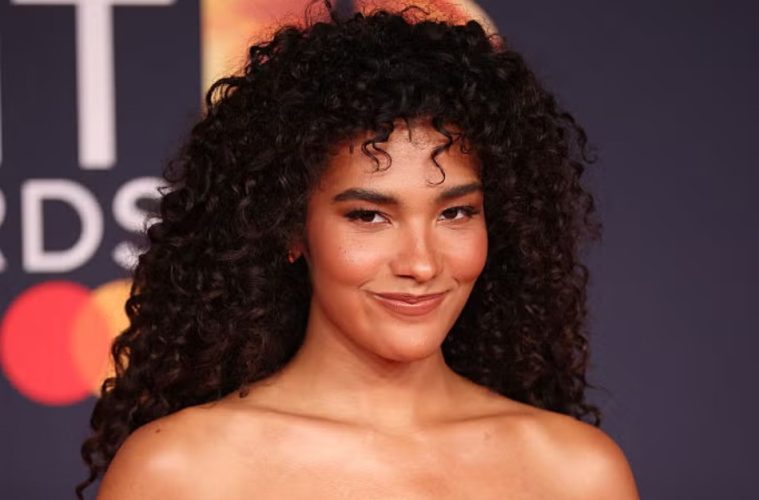
Moisture layering is giving curly hair a smarter hydration routine, using lightweight products in sequence to boost definition, softness, shine, and manage frizz.
September 07, 2026
What Is Moisture Layering?
Moisture layering is a hair-care technique that applies products in a deliberate order to hydrate the hair fiber while helping maintain its structure. The concept borrows from skincare, where multiple lightweight layers are used to build hydration instead of relying on one heavy product.
The technique can be particularly helpful for curly and coily hair because the shape of the strand can make it harder for natural oils to travel from the roots toward the ends. As a result, curls can be more prone to dryness, frizz, and a lack of definition, making thoughtful hydration an important part of maintaining their natural pattern.

Credit: Neil Mockford/filmmagic
Why Curly Hair Needs a Different Approach
Curly hair does not necessarily need more products; it often needs the right products used in the right sequence. Humectants such as glycerin and panthenol can help draw moisture toward the hair, while emollients soften the cuticle and oils or lightweight polymers can help seal that hydration in.
External conditions can complicate things, too. Humidity, heat styling, UV exposure, pollution, and even water quality can influence how curls behave from one day to the next. That is why a flexible routine built around the individual needs of your hair can be more effective than following a rigid formula.
Start With Hydration on Wash Day
The first step happens while the hair is still wet. Begin with a lightweight, water-based product such as a hydrating mist or leave-in conditioner, concentrating on the mid-lengths and ends where dryness is usually most noticeable.
Applying the first layer before leaving the shower can help reduce moisture loss. The goal is not to saturate the hair with multiple products immediately, but to establish a light foundation that prepares the curls for the defining and sealing steps that follow.
Add a Product That Defines Your Curl Pattern
Once the hair has been hydrated, the next layer should focus on definition. This can be a curl cream, gel, or another styling product selected according to the texture and finish you want.
Creams can provide softer, more touchable movement, while gels generally offer stronger hold and definition. The important part is to distribute the product evenly through the curls rather than applying a large amount in one area, allowing the natural pattern to form without being weighed down.

Credit: Myung J. Chun
Finish With a Lightweight Oil
The final layer is designed to help seal in the moisture and smooth the hair. Once your curls have been styled, a small amount of lightweight oil can be applied to help soften the cuticle, reduce frizz, and add shine.
When using a diffuser, gently move it around the head rather than pressing the curls aggressively into the attachment. Once the hair is around 80 to 90 percent dry, the curl pattern is largely set, allowing you to handle the hair a little more while finishing the drying process.
How to Refresh Curls Between Washes
Moisture layering does not end on wash day. Curly hair generally benefits from avoiding unnecessary overwashing, so refreshing the strands between washes can help maintain both hydration and definition.
A light mist of water or curl-refreshing spray can bring some bounce back to curls. A small amount of leave-in conditioner can be added where extra moisture is needed, followed by gentle scrunching to encourage the curl pattern without disturbing it.
Protect Your Curls While You Sleep
Nighttime care can also make a noticeable difference. Friction from a cotton pillowcase can disturb the curl pattern and contribute to frizz, while a silk pillowcase or hair wrap can provide a smoother surface for the hair.
For tighter curls, a silk bonnet or wrap can help preserve definition overnight. Those with wavier textures can also try loosely braiding the hair before bed, which can help create soft waves while reducing friction and tangling.

Credit: Matteo Valle
Your Curl Type Should Guide the Routine
There is no single moisture-layering routine that works for every head of curly hair. Looser waves may need lighter products to avoid losing volume, while tighter curls can often benefit from richer layers and more deliberate moisture retention.
Hair porosity, density, styling habits, climate, and how frequently you wash your hair can all influence what works best. The most useful approach is to pay attention to how your curls respond and adjust the amount and weight of each product instead of automatically adding more.
Avoid Confusing Frizz With a Lack of Moisture
Frizz can be a sign that hair needs more moisture, but it is not always the only explanation. Product buildup, humidity, damage, friction, and styling technique can all contribute to an unruly finish.
That is why simply adding heavier products is not necessarily the solution. Moisture layering is more about balance: hydrate the hair, define the pattern, and then use a lightweight finishing layer to help maintain the result.
The Goal Is Healthier-Looking, More Defined Curls
The biggest benefit of moisture layering is the control it can give you over your routine. Instead of expecting one product to hydrate, define, smooth, and protect your curls at the same time, each layer has a specific job.
That approach can make it easier to understand what your hair actually needs. With the right balance of hydration and hold, curls can look softer, shinier, and more defined while still retaining their natural movement.

Credit: Matteo Valle
Final Thoughts
Moisture layering offers a simple way to make curly-hair care more intentional. By beginning with hydration, following with a defining product, and finishing with a lightweight seal, the routine can support softer and more consistent curls without relying on excessive product.
The most important step is personalization. Your curl pattern, lifestyle, environment, and preferred finish should determine how many layers you need and how rich those products should be.
FAQs
What is moisture layering for curly hair?
Moisture layering is a technique that applies lightweight hydrating and styling products in sequence to moisturize, define, and help seal curly hair.
What should I apply first when moisture layering?
Start with a lightweight, water-based product such as a hydrating mist or leave-in conditioner on wet hair.
Should I use curl cream or gel after moisturizing?
Either can work. Curl cream generally gives softer definition, while gel typically provides stronger hold and more structure.
Can I moisture-layer curly hair between wash days?
Yes. A light water or curl-refreshing mist followed by a small amount of leave-in conditioner can help refresh dry curls without a full wash.
How can I prevent curly hair from getting frizzy overnight?
Sleeping on a silk pillowcase or using a silk bonnet or hair wrap can help reduce friction and protect the curl pattern.
Published by HOLR Magazine