


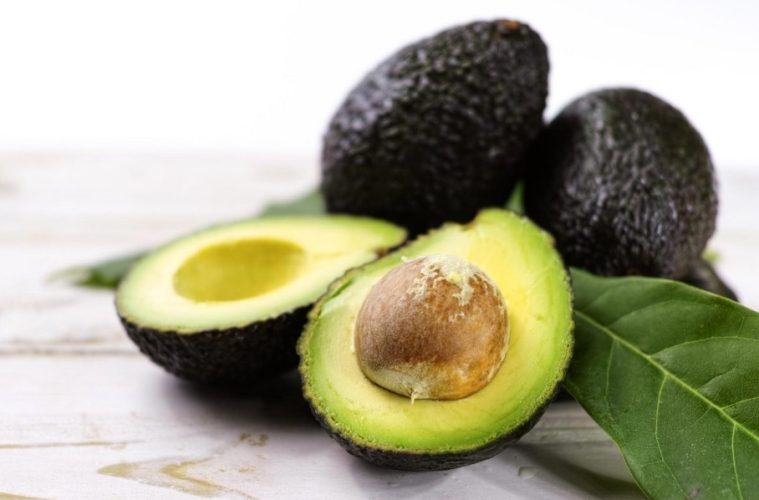
New research suggests that eating an avocado each day may be associated with better heart health, potentially thanks to its healthy fats and overall nutritional profile.
Why Researchers Are Looking At Avocados
August 18, 2026 – Avocados have long been praised for their creamy texture, versatility and nutrient content, but new research is adding another reason to keep the fruit on the menu.
A recent study examined whether regularly eating avocados was associated with cardiovascular health, with researchers finding a potentially meaningful relationship between avocado consumption and heart-related outcomes.
The findings do not mean that eating an avocado guarantees protection against heart disease. Instead, they add to a growing body of research exploring how everyday dietary choices may influence cardiovascular health over time.
For anyone already enjoying avocado on toast, salads or alongside a meal, the research offers another reason to consider how this nutrient-dense fruit can fit into an overall balanced eating pattern.
What The Study Found
Researchers analyzed dietary and health information from more than 100,000 adults who were followed for decades. Participants reported their avocado consumption, allowing researchers to compare cardiovascular outcomes among people who ate avocados at different frequencies.
The study found that people who ate at least two servings of avocado per week had a lower risk of cardiovascular disease compared with those who rarely or never ate the fruit.
The researchers also observed an association between avocado consumption and a lower risk of coronary heart disease.
Importantly, the study was observational, meaning it can identify associations but cannot prove that eating avocados directly caused the lower risk.
That distinction matters when interpreting nutrition research. Diet is influenced by many factors, and people who regularly eat avocado may also have other lifestyle or dietary habits that contribute to cardiovascular health.
Healthy Fats Are A Major Part Of The Story
One reason avocados continue to attract nutritional interest is their fat profile.
Unlike foods dominated by saturated fats, avocados are rich in monounsaturated fatty acids. These are considered unsaturated fats and can be part of a heart-conscious eating pattern.
Replacing foods high in saturated fat with sources of unsaturated fat may help improve blood cholesterol levels, which are one factor associated with cardiovascular risk.
Avocados also contain fiber and a range of vitamins and minerals, making them nutritionally different from foods that provide calories without many beneficial nutrients.
That combination may help explain why researchers continue to investigate the fruit’s potential role in a healthy diet.
Avocados Offer More Than Healthy Fat
The nutritional appeal of an avocado does not stop with its fat content.
Avocados provide dietary fiber, potassium and other nutrients. Fiber can support digestive health and contribute to feelings of fullness, while potassium plays an important role in normal muscle and nerve function and helps regulate fluid balance.
The fruit’s creamy texture also makes it useful as a replacement for ingredients that contain more saturated fat.
For example, avocado can be spread onto toast instead of butter or blended into sauces and dressings to create a creamy texture without relying entirely on dairy-based ingredients.
Those substitutions can be an important part of the bigger picture when considering heart health.
:max_bytes(150000):strip_icc()/GettyImages-544809990-dae54d809f4f41588599b66ab2b383f4.jpg)
Credit: locknloadlabrador
How Much Avocado Should You Eat?
The study’s findings should not necessarily be interpreted as a recommendation to eat an entire avocado every day.
A serving of avocado is generally considered to be about one-third of a medium fruit, although serving sizes can vary. Because avocados are relatively calorie-dense, portion size can still matter, particularly for people who are monitoring their overall energy intake.
The bigger takeaway is about incorporating avocado as one source of unsaturated fat within a balanced diet.
There is no single food that can replace the broader dietary and lifestyle habits associated with cardiovascular health.
The Bigger Heart-Health Picture
Heart health is influenced by numerous factors, including diet, physical activity, blood pressure, cholesterol levels, smoking, sleep and genetics.
That means adding avocado to an otherwise highly processed diet is unlikely to cancel out other factors that may increase cardiovascular risk.
Instead, foods such as avocado can contribute to an overall eating pattern that emphasizes vegetables, fruits, whole grains, legumes, nuts, seeds and sources of unsaturated fats.
The quality of the entire diet matters more than any individual ingredient.
Simple Ways To Add Avocado To Your Diet
One of the easiest things about avocado is that it does not require complicated preparation.
Sliced avocado can be added to whole-grain toast, salads, grain bowls or sandwiches. It can also be mashed with herbs and spices to create a simple spread.
For breakfast, avocado can be paired with eggs or vegetables. At lunch, it can add creaminess to a salad without requiring a heavy dressing.
Avocado can even be blended into smoothies or used in homemade dips. These options make it relatively easy to incorporate the fruit into meals without dramatically changing how you cook.
What The Research Does—and Doesn’t—Prove
The study provides an interesting association between avocado consumption and cardiovascular health, but it is important not to overstate what the researchers found.
Observational research cannot establish a direct cause-and-effect relationship. People who eat avocados regularly may differ from people who do not in ways that are difficult to completely account for.
The findings therefore support continued research rather than proving that avocado is a heart-protective treatment.
For consumers, the most reasonable interpretation is that avocado can be a nutritious component of a heart-conscious diet, particularly when it replaces foods higher in saturated fat.
A Small Dietary Swap Can Add Up
Rather than thinking of avocado as a magic ingredient, it may be more useful to consider what it replaces.
Swapping butter, highly processed spreads or other foods rich in saturated fat for avocado can help shift the overall fat profile of a meal toward more unsaturated fats.
That kind of substitution is consistent with broader principles of heart-conscious eating.
The study adds another piece to the evidence surrounding avocado, but its value may ultimately be less about eating one particular food and more about making sustainable dietary choices over time.
Final Thoughts
The latest research adds to the growing evidence that avocado can have a place in a heart-conscious eating pattern. Its combination of monounsaturated fats, fiber, potassium and other nutrients makes it a particularly versatile whole food.
However, the study does not prove that eating avocado directly prevents heart disease. Cardiovascular health depends on a much broader combination of dietary, lifestyle and genetic factors.
For most people, the practical takeaway is simple: avocado can be a nutritious way to add unsaturated fat to meals, especially when it replaces foods higher in saturated fat. Enjoying it as part of an overall balanced diet may be a more useful approach than focusing on any single “heart-healthy” food.
FAQs
Can eating avocado every day improve heart health?
Research suggests that regular avocado consumption may be associated with better cardiovascular outcomes, but observational studies cannot prove that eating avocado directly prevents heart disease.
What makes avocado good for a heart-conscious diet?
Avocados are rich in monounsaturated fats and also provide fiber, potassium and other nutrients. Unsaturated fats can be a useful replacement for foods higher in saturated fat.
How much avocado should you eat?
There is no universal amount that everyone needs to eat. A serving is commonly considered about one-third of a medium avocado, but individual dietary needs and overall calorie intake should be considered.
Can avocado replace butter?
Yes. Mashed or sliced avocado can be used as a spread in place of butter in many meals. This can be one way to replace a source of saturated fat with a food rich in unsaturated fat.
Is avocado alone enough to protect against heart disease?
No. Heart health depends on many factors, including overall diet, physical activity, blood pressure, cholesterol, smoking, sleep and genetics. No single food can provide complete protection.
Published by HOLR Magazine